

Classification and Composition of Sand and Soil Pneumatic Conveying Systems
For industrial applications involving the transport of sand and soil materials, pneumatic conveying systems offer efficient and reliable solutions. These systems are essential for processes that require the movement of bulk materials over varying distances, often in environments where traditional mechanical conveyors may be impractical or inefficient. The design and implementation of such systems depend on the specific characteristics of the material being conveyed, the distance of transport, and the operational requirements of the facility. Understanding the classification and composition of these systems is crucial for selecting the most appropriate technology for a given application.
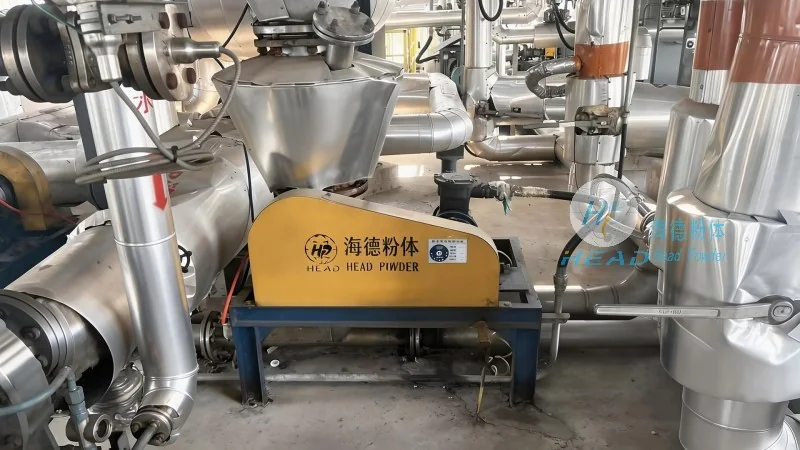
Classification of Pneumatic Conveying Systems for Sand and Soil
When classifying pneumatic conveying systems for sand and soil, several key factors are considered, primarily the method of air flow and the pressure within the system. The two main categories are pressure and vacuum systems. Pressure systems operate by forcing air through the material, typically using positive pressure at the discharge point. This method is suitable for conveying materials over longer distances and can handle a wider range of particle sizes. Vacuum systems, on the other hand, use a vacuum to draw material into the system, often from a collection point. These systems are generally more suitable for shorter distances and for materials that are more easily drawn into the air stream.
Key Components of Pneumatic Conveying Systems
The composition of a pneumatic conveying system for sand and soil includes several critical components that work together to ensure efficient material transport. The primary components are the material feed hopper, the conveyor line, the air supply system, and the discharge unit. The material feed hopper is designed to store and feed the sand or soil into the system, often equipped with a feeder to control the flow rate. The conveyor line, which can be made of metal or plastic, carries the material and air mixture from the feed point to the discharge point. The air supply system, which may include a blower or compressor, provides the necessary pressure or vacuum to move the material. The discharge unit, such as a cyclone separator or a filter, separates the material from the air and collects it in a storage bin.
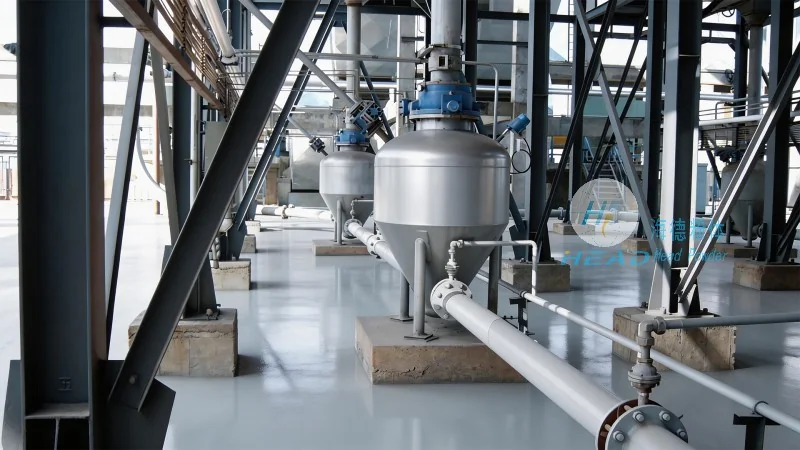
Material Feed Hopper and Feeder Systems
The material feed hopper is a critical component in the pneumatic conveying system, as it directly affects the uniformity and consistency of the material flow. For sand and soil, which can be abrasive and have varying particle sizes, the hopper is typically designed with a sloped bottom to prevent material bridging or clogging. The feeder, which may be a rotary valve, a screw feeder, or a vibratory feeder, controls the rate at which material is introduced into the conveyor line. Properly sized and configured feeders ensure that the material is fed at a consistent rate, preventing surges or fluctuations that could affect the system's performance. The hopper and feeder work together to maintain a stable material feed, which is essential for the efficient operation of the entire system.
Conveyor Line and Air Supply System
The conveyor line is the core of the pneumatic conveying system, responsible for transporting the material and air mixture. The choice of material for the conveyor line is critical, as it must withstand the abrasive nature of sand and soil. Common materials include stainless steel, aluminum, or specialized plastic liners. The line is typically straight or slightly inclined to facilitate the movement of the material, with bends and elbows designed to minimize pressure loss and prevent material deposition. The air supply system, which may include a positive displacement blower or a centrifugal fan, provides the necessary air volume and pressure. The blower's capacity and pressure rating are determined based on the material's properties, the distance of transport, and the system's design. Properly sized air supply equipment ensures that the system operates efficiently, with minimal energy consumption and maximum material throughput.
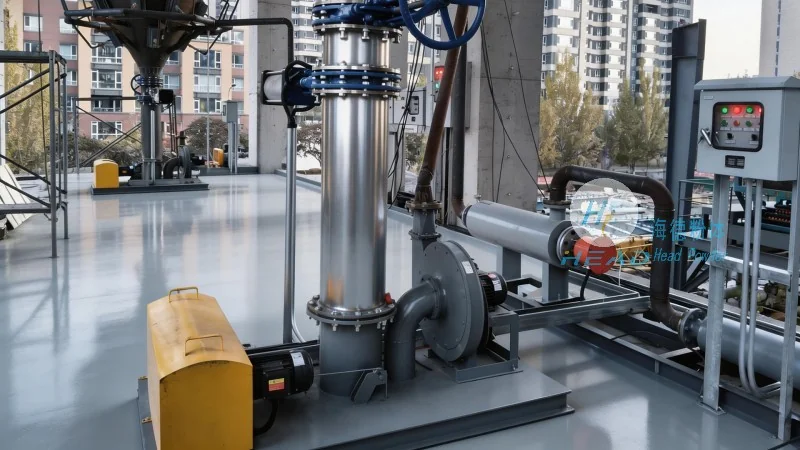
Discharge Unit and Material Separation
The discharge unit is responsible for separating the material from the air and collecting it in a storage bin. For sand and soil, which are typically fine and abrasive, the discharge unit often includes a cyclone separator or a bag filter. The cyclone separator uses centrifugal force to separate the material from the air, with the material being collected in a hopper at the bottom and the air being discharged through a vent. The bag filter, on the other hand, uses fabric bags to trap the material particles, with the collected material being discharged through a valve. The choice of discharge unit depends on the material's characteristics, such as particle size and moisture content, as well as the required level of air cleanliness. Properly designed discharge units ensure that the material is collected efficiently and that the air is cleaned to meet environmental and operational standards.
System Integration and Operational Considerations
Integrating the various components of a pneumatic conveying system for sand and soil requires careful planning and engineering. The system must be designed to handle the specific properties of the material, including its density, particle size distribution, and moisture content. Operational considerations include the system's capacity, which is determined by the material feed rate and the air supply capacity, and the pressure drop across the system, which affects the energy consumption and overall efficiency. Regular maintenance of the system components, such as the feed hopper, conveyor line, and discharge unit, is essential to ensure long-term performance and reliability. Proper maintenance procedures include cleaning the hopper and feeder to prevent material buildup, inspecting the conveyor line for wear and tear, and checking the air supply system for proper operation. By following these operational considerations, the pneumatic conveying system can operate efficiently and effectively, providing reliable material transport for industrial applications.