

Classification and Composition of Magnesium Powder Pneumatic Conveying Systems
HeadPowder, a leading manufacturer based in Shandong, China, specializes in the design and production of advanced pneumatic conveying systems tailored for handling magnesium powder. This article provides an in-depth overview of the classification and essential components of such systems, highlighting the technical aspects and functional elements that ensure efficient and reliable material transport.
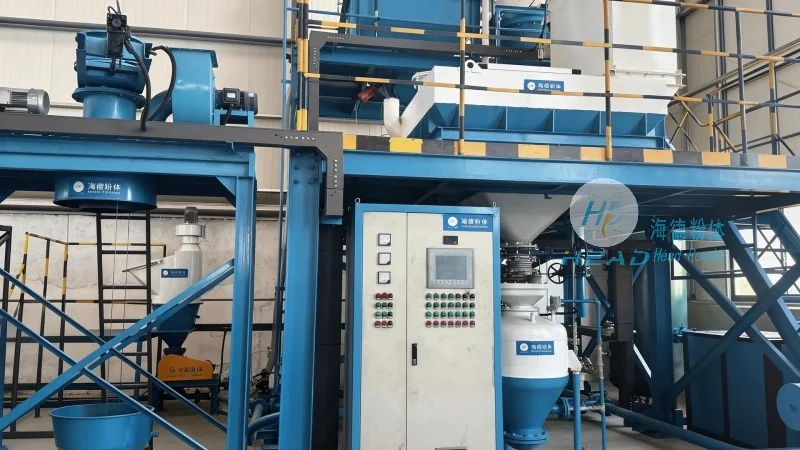
Introduction to Magnesium Powder Pneumatic Conveying Systems
Magnesium powder, due to its light weight and reactivity, requires specialized handling equipment to ensure safe and efficient transport. Pneumatic conveying systems offer a solution by utilizing air or gas to move the powder through a pipeline network. These systems are widely adopted in industries such as metallurgy, chemical processing, and aerospace, where precise control over material flow is critical. The design of a magnesium powder pneumatic conveying system must consider factors like particle size, flow rate, and the need for minimal product degradation or contamination.
Classification of Pneumatic Conveying Systems
Pneumatic conveying systems for magnesium powder are typically classified based on the air velocity and the resulting particle suspension characteristics. The two primary categories are:
1. Dilute Phase Conveying
In dilute phase systems, the powder is suspended in air at relatively high velocities (typically 20-30 m/s or higher). This method is suitable for long-distance transport and is often used when the powder is free-flowing and non-abrasive. The system consists of a positive displacement blower or a high-pressure compressor that generates the necessary air flow. The key components include a feed hopper, a rotary airlock valve, and a pipeline with appropriate diameter and length. The air-powder mixture is then separated at the receiving end using a cyclone or a bag filter, and the air is typically recycled to improve energy efficiency.
2. Dense Phase Conveying
Dense phase systems operate at lower air velocities (around 5-15 m/s) and higher air-to-powder ratios, resulting in a more concentrated mixture. This method is preferred for handling sensitive or abrasive materials like magnesium powder, as it reduces particle impact and friction, minimizing wear on equipment and product degradation. The system often incorporates a pressure vessel or a pulse-jet blower to maintain the required pressure. Components include a feed hopper with a pressure regulator, a venturi or a pressure transmitter, and a pipeline with larger diameter to accommodate the higher material concentration. The receiving end may use a venturi separator or a rotary valve to discharge the material.
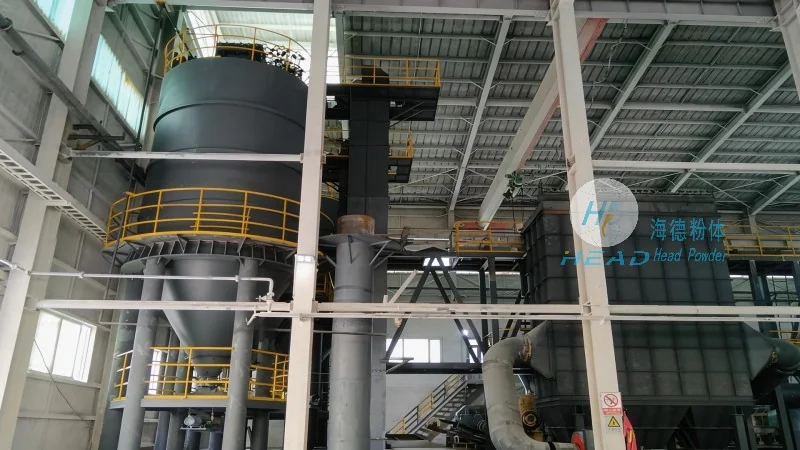
Key Components of a Magnesium Powder Pneumatic Conveying System
Regardless of the classification, a magnesium powder pneumatic conveying system comprises several critical components that work in tandem to ensure smooth operation. These components are designed to handle the unique properties of magnesium powder, such as its low bulk density and potential for static charge accumulation.
1. Feed and Metering Equipment
The feed system is responsible for introducing magnesium powder into the conveying line at a controlled rate. For magnesium powder, which can be prone to bridging or caking, a rotary airlock valve or a screw feeder is commonly used. The rotary airlock valve provides a positive seal to prevent air leakage and ensures a consistent flow rate, while the screw feeder can handle larger bulk quantities. In some applications, a vibratory feeder may be employed to break up agglomerates and maintain a uniform feed. The feed equipment is typically equipped with a hopper that has a conical bottom to facilitate material flow and may include a level sensor to monitor the powder inventory.
2. Air Supply and Compression Unit
The air supply unit generates the necessary pressure and flow rate to move the magnesium powder through the pipeline. For dilute phase systems, a positive displacement blower (e.g., a roots blower or a lobe blower) is often used, as it can deliver high volumes of air at moderate pressures. In dense phase systems, a high-pressure compressor or a pulse-jet blower is preferred, as it can maintain the required pressure to keep the powder in suspension. The unit is typically equipped with a filter to remove contaminants from the air, as any particles in the air can cause wear on the system components or contaminate the product. The air supply may also include a pressure regulator to maintain a stable pressure and a flow meter to monitor the air volume.
3. Conveying Pipeline
The pipeline is the main transport channel for the magnesium powder and air mixture. The material is chosen based on the properties of the powder and the operating conditions. For magnesium powder, which is non-abrasive but can generate static charge, stainless steel or aluminum pipes are commonly used. The pipeline is designed with smooth interior surfaces to minimize friction and wear, and it may include bends and elbows with appropriate radii to avoid particle accumulation or blockages. The diameter of the pipeline is determined by the required flow rate and the air-to-powder ratio, with larger diameters used in dense phase systems to accommodate higher material concentrations. The pipeline may also include pressure sensors and flow meters to monitor the system performance.
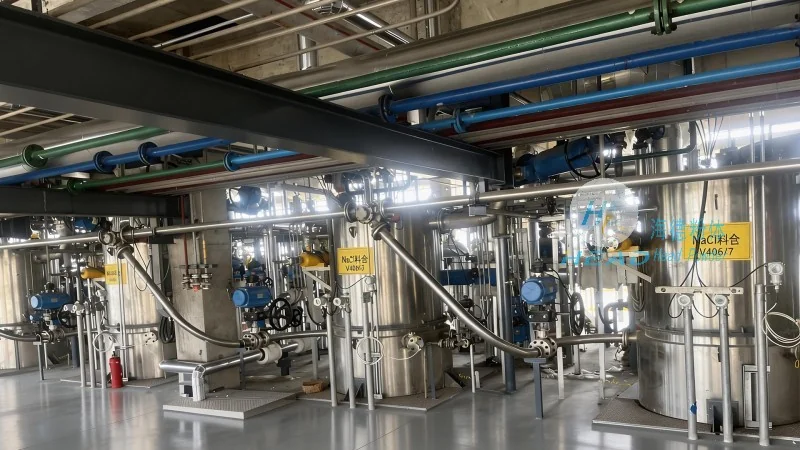
4. Separation and Collection Equipment
At the receiving end of the system, the magnesium powder must be separated from the air and collected. The separation equipment is critical to prevent product loss and maintain air quality. For dilute phase systems, a cyclone separator is often used, which utilizes centrifugal force to separate the powder from the air. The cyclone typically consists of a conical base and a cylindrical upper section, with an inlet for the air-powder mixture and an outlet for the separated powder. The air is discharged through a top outlet and may be recycled back to the air supply unit. For dense phase systems, a venturi separator or a rotary valve may be used. The venturi separator uses a pressure drop to accelerate the air, causing the powder to separate from the air stream. The rotary valve, on the other hand, is a mechanical device that discharges the powder at a controlled rate, preventing clogging and ensuring a smooth flow.
5. Control and Monitoring Systems
To ensure the efficient and safe operation of the magnesium powder pneumatic conveying system, a control and monitoring system is essential. This system typically includes sensors and controllers that monitor parameters such as pressure, flow rate, temperature, and powder level. The sensors are connected to a control panel that adjusts the operation of the feed equipment, air supply unit, and separation equipment as needed. For example, if the pressure in the pipeline drops, the system may increase the air flow rate to maintain the required transport velocity. The monitoring system also provides alerts for any abnormalities, such as blockages or leaks, allowing for timely maintenance and preventing system downtime. In addition, the control system may include a safety interlock to stop the system in case of emergency, such as a fire or a powder explosion risk.
Application and Benefits of Magnesium Powder Pneumatic Conveying Systems
The use of pneumatic conveying systems for magnesium powder offers several advantages over traditional methods like bucket elevators or conveyor belts. These systems provide a closed-loop transport, which minimizes product exposure to the environment and reduces the risk of contamination or dust emissions. The closed system also helps in controlling static charge accumulation, which is a common issue with magnesium powder due to its low conductivity. Additionally, pneumatic conveying systems can handle high volumes of material over long distances with minimal maintenance and lower energy consumption compared to other methods. The flexibility of the system allows for easy integration with existing production lines and can be customized to meet specific process requirements.
Conclusion
HeadPowder Engineering Co., Ltd., based in Shandong, China, specializes in the design and manufacturing of advanced pneumatic conveying systems for magnesium powder. By understanding the classification and key components of such systems, industries can select the most appropriate solution for their material handling needs. The combination of proper feed equipment, air supply, pipeline design, separation technology, and control systems ensures efficient, safe, and reliable transport of magnesium powder, supporting the smooth operation of production processes in various industries.