

Cement and Mineral Powder Pneumatic Conveying: How to Efficiently Transport Bulk Powder Materials wi
Efficiently transporting bulk powder materials, such as cement and mineral powders, is a critical challenge in industrial operations. Traditional methods like belt conveyors or bucket elevators often face limitations when dealing with fine, dusty, or abrasive powders. Pneumatic conveying systems offer a solution by utilizing air flow to move these materials through pipelines, providing a clean, dust-free, and energy-efficient method of material handling. This article explores the principles and applications of cement and mineral powder pneumatic conveying, highlighting how advanced systems can enhance operational efficiency and safety.
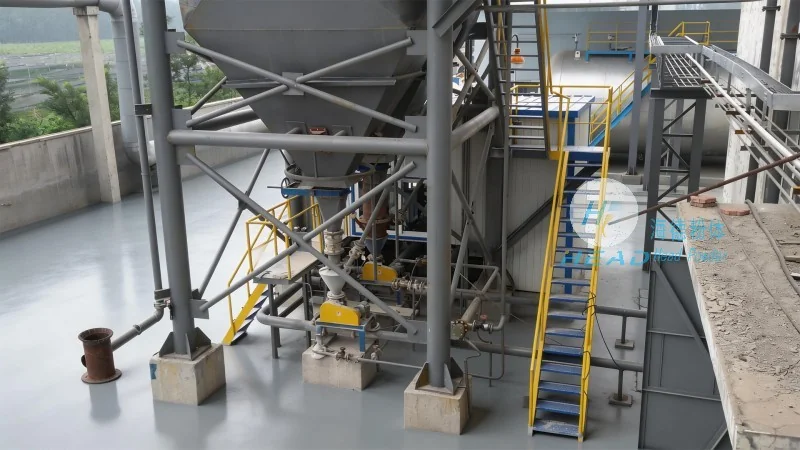
Pneumatic Conveying Systems: The Core Technology for Bulk Powder Transport
Pneumatic conveying systems operate by generating a flow of air within a pipeline, which then propels the powder particles forward. There are two primary types of pneumatic conveying: pressure and vacuum systems. Pressure systems use compressed air to push the material through the pipeline, while vacuum systems use a vacuum to draw the material into the pipeline. For cement and mineral powders, pressure systems are often preferred due to their ability to handle high material loads and long distances. The system typically consists of a hopper, a conveyor line, a control valve, and a receiver. The hopper stores the material, and the control valve regulates the flow rate. The conveyor line transports the material, and the receiver collects it at the destination. The air flow is controlled by a blower or compressor, which ensures the material is moved at the desired speed and pressure.
Key Components and Their Roles in Pneumatic Conveying
Several key components are essential for the effective operation of a pneumatic conveying system. The hopper is the storage vessel where the powder material is held before being conveyed. It is designed to prevent material buildup and ensure a consistent flow. The conveyor line is made of durable materials, such as stainless steel or plastic, to withstand the abrasive nature of cement and mineral powders. The control valve regulates the flow rate of the material, preventing overloading or underloading of the system. The receiver is the final collection point where the material is deposited. It is often equipped with a dust collection system to prevent dust emissions. The blower or compressor provides the necessary air pressure to move the material through the pipeline. The choice of components depends on the specific application, material properties, and operational requirements.
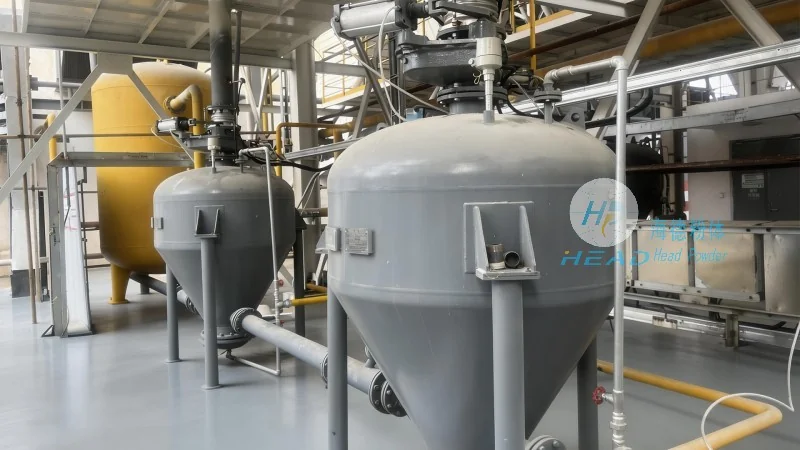
Advantages of Pneumatic Conveying for Cement and Mineral Powders
Pneumatic conveying offers several advantages over traditional material handling methods. First, it provides a dust-free environment, which improves workplace safety and reduces the risk of respiratory issues for workers. Second, it is more energy-efficient than other methods, as it uses less power to move the material over long distances. Third, it is more flexible, as the system can be easily reconfigured to accommodate changes in production or material flow. Fourth, it is more hygienic, as the material is not in direct contact with the conveyor system, reducing the risk of contamination. Finally, it is more cost-effective in the long run, as it reduces maintenance costs and increases production efficiency.
Application Examples in Cement and Mineral Processing
Pneumatic conveying systems are widely used in the cement and mineral processing industries. For example, in cement plants, pneumatic conveying is used to transport raw materials from the quarry to the processing plant. The raw materials, such as limestone and clay, are stored in hoppers and then conveyed to the grinding mills. In mineral processing plants, pneumatic conveying is used to transport ore from the mine to the processing facility. The ore is crushed and ground into a fine powder, which is then conveyed to the flotation or filtration processes. In both cases, pneumatic conveying provides a reliable and efficient method of material transport, ensuring that the production process runs smoothly and efficiently.
HeadPowder: A Leading Provider of Pneumatic Conveying Solutions
Shandong HeadPowder Engineering Co., Ltd., commonly known as HeadPowder, is a leading manufacturer of pneumatic conveying systems for cement and mineral powders. With a strong focus on innovation and quality, HeadPowder has developed a range of advanced systems that meet the specific needs of industrial applications. The company's products are designed to handle a wide variety of materials, including cement, limestone, clay, and other mineral powders. They are equipped with features such as adjustable air flow, variable speed control, and automatic shut-off valves, which enhance operational flexibility and safety. HeadPowder's systems are also designed to be durable and low-maintenance, reducing the total cost of ownership for customers. The company has a strong reputation in the industry, with a track record of successful installations in various industries, including cement, mining, and chemical processing.
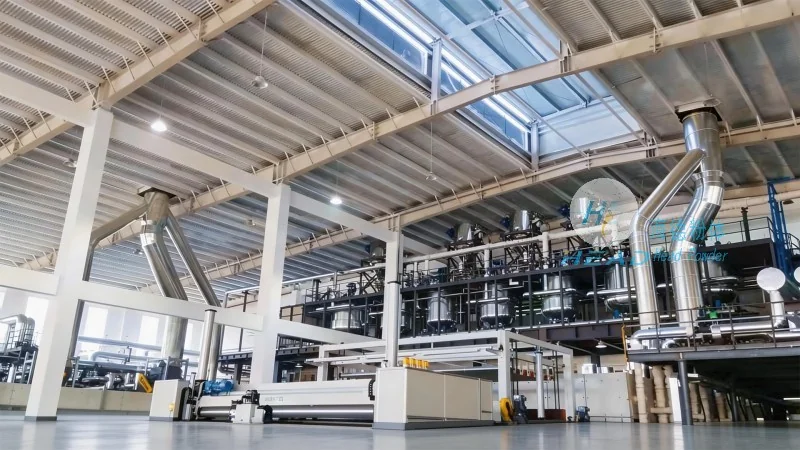
Customized Solutions for Diverse Industrial Needs
HeadPowder understands that each industrial application has unique requirements. Therefore, the company offers customized pneumatic conveying solutions tailored to specific customer needs. The company's engineers work closely with customers to understand their operational challenges and design a system that meets their specific requirements. The solutions can be customized in terms of material handling capacity, conveyor length, and control system. HeadPowder also provides technical support and maintenance services to ensure that the system operates at peak performance. The company's commitment to customer satisfaction and quality has made it a trusted partner for many industrial companies.
Conclusion: The Future of Bulk Powder Transport with Pneumatic Conveying
Pneumatic conveying systems are an essential technology for efficiently transporting cement and mineral powders. With the advancements in system design and control, these systems are becoming more efficient, reliable, and cost-effective. HeadPowder, as a leading provider of pneumatic conveying solutions, continues to innovate and provide high-quality systems that meet the needs of industrial applications. By leveraging the benefits of pneumatic conveying, industrial companies can improve their operational efficiency, reduce costs, and enhance workplace safety. As the demand for bulk powder transport continues to grow, pneumatic conveying will remain a critical technology in the industry.