

Ceramic Powder Pneumatic Conveying: How to Efficiently Transport Powdered Materials with Air Flow?
When it comes to handling and transporting ceramic powders, efficient material movement is crucial for maintaining product quality and operational efficiency. Pneumatic conveying systems offer a solution that leverages air flow to transport fine powders, avoiding issues like dust contamination and material degradation that can occur with traditional methods.
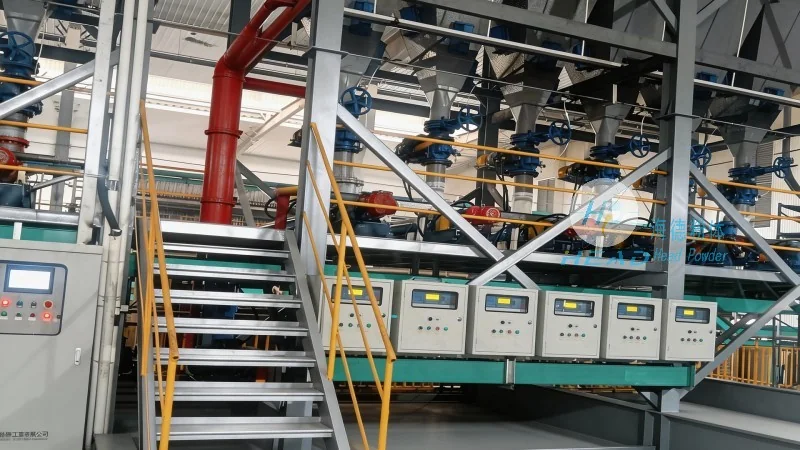
HeadPowder Engineering: Your Partner in Pneumatic Conveying Solutions
Shandong HeadPowder Engineering Co., Ltd., based in Shandong, China, specializes in providing advanced pneumatic conveying systems tailored for the ceramic industry. With years of experience, HeadPowder has developed comprehensive solutions that address the unique challenges of handling ceramic powders, ensuring reliable and efficient material transport from source to destination.
How Pneumatic Conveying Works: Efficient Material Transport with Air Flow
Pneumatic conveying systems utilize compressed air or vacuum to move ceramic powders through a network of pipes. The process involves feeding the powder into the system, where it is either carried by the air stream (in positive pressure systems) or drawn into the system by vacuum (in negative pressure systems). This method eliminates the need for mechanical components like belts or buckets, reducing maintenance and minimizing the risk of material contamination.
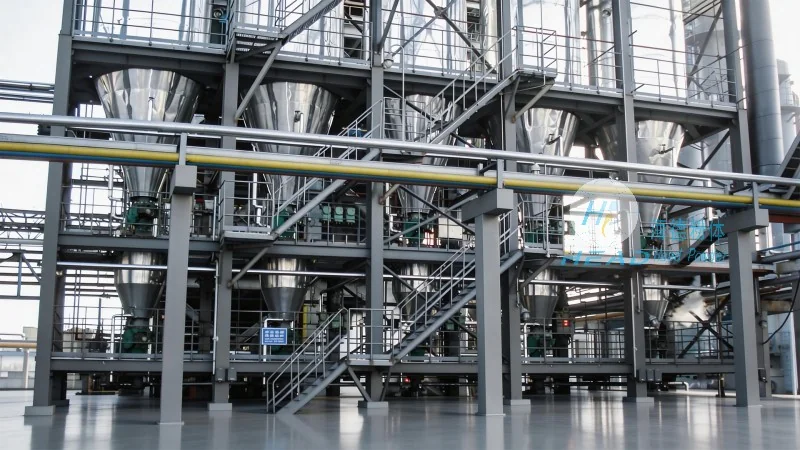
Key Advantages of Pneumatic Conveying for Ceramic Powders
Using pneumatic conveying for ceramic powders offers several benefits that enhance operational performance. Firstly, it provides a dust-free environment, which is critical for maintaining product purity and compliance with industry standards. Secondly, the system allows for precise control over material flow rates, ensuring consistent delivery to downstream processes. Additionally, pneumatic conveying systems are flexible and can be easily integrated with existing production lines, adapting to changes in production volume or material types.
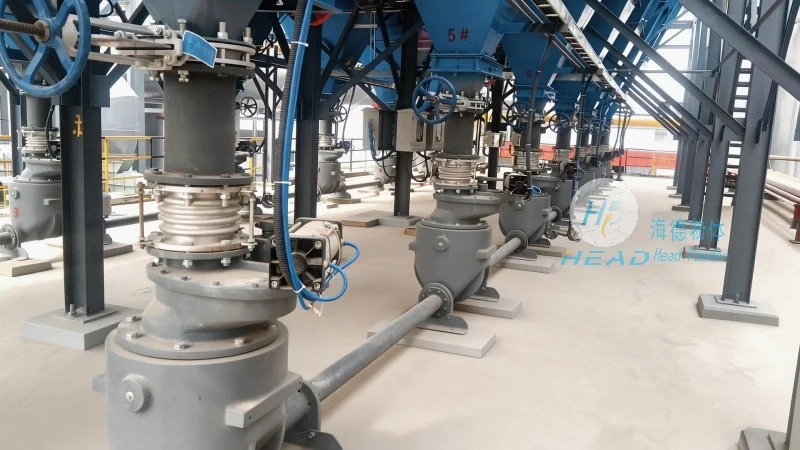
System Components and Design Considerations
The effectiveness of a pneumatic conveying system for ceramic powders depends on several key components. The feeding device, such as a rotary valve or a vacuum feeder, ensures consistent material introduction into the system. The pipeline network, made from materials resistant to abrasive ceramic powders, minimizes wear and extends system life. The separation and collection equipment, including cyclones or filters, efficiently separates the powder from the air stream, preventing dust emissions and ensuring material recovery.
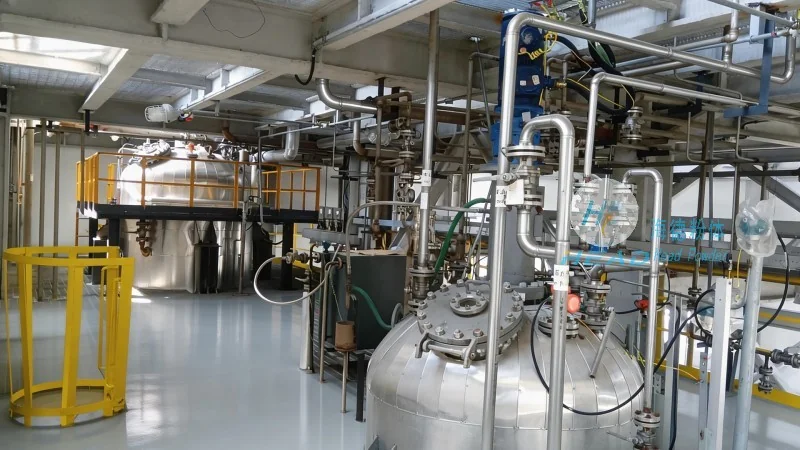
Enhancing Efficiency and Product Quality
By implementing pneumatic conveying systems, ceramic manufacturers can significantly improve their production efficiency and product quality. The reduction in material handling time, combined with the elimination of dust and contamination, leads to higher yields and better product consistency. HeadPowder's customized solutions are designed to meet the specific requirements of each client, ensuring optimal performance and long-term reliability.
Conclusion: Reliable Pneumatic Conveying Solutions from HeadPowder
Shandong HeadPowder Engineering Co., Ltd. offers comprehensive pneumatic conveying solutions for ceramic powders, leveraging advanced technology and industry expertise to deliver efficient, reliable, and cost-effective material transport. With a focus on quality and customer satisfaction, HeadPowder is committed to helping ceramic manufacturers achieve their operational goals while maintaining the highest standards of product quality.