

[Pulverized Detergent Soda (Soda Ash) Pneumatic Conveying: How to Efficiently Transport Powder Parti
Efficient material handling is a critical aspect of industrial operations, especially when dealing with bulk powder materials like pulverized detergent soda, commonly known as soda ash. Pneumatic conveying systems offer a versatile and effective solution for transporting such particulate materials over short to medium distances. This article explores the principles and applications of pneumatic conveying for soda ash, highlighting the key factors that contribute to its efficiency and reliability.
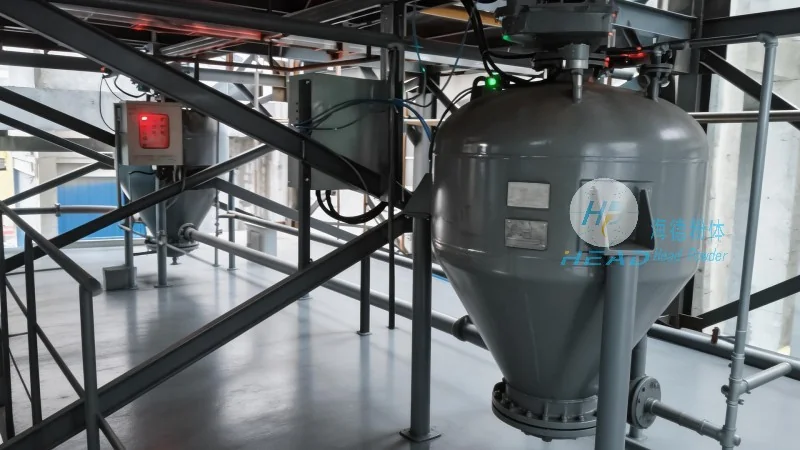
HeadPowder, a leading provider of material handling solutions, specializes in designing and implementing pneumatic conveying systems tailored to the unique requirements of industrial processes. With a strong presence in Shandong, China, the company leverages its expertise to deliver high-performance systems that ensure the safe and efficient transport of soda ash and other similar powders. The following sections delve into the technical aspects of pneumatic conveying, the benefits it offers, and how HeadPowder's solutions address the challenges associated with handling soda ash.
Understanding Pneumatic Conveying Systems for Soda Ash
Pneumatic conveying involves the use of air or gas to transport solid particles through a pipeline. The system typically consists of a material feed device, a conveying line, and a collection or discharge unit. For soda ash, which is a fine powder with specific handling characteristics, the choice of conveying method—whether it's pressure or vacuum-based—depends on the application requirements, such as the distance to be covered and the desired flow rate.
Pressure pneumatic conveying systems use compressed air to push the material through the pipeline. This method is suitable for short to medium distances and can handle a wide range of particle sizes and moisture content. The system operates by introducing the powder into a hopper, where it is mixed with air under pressure and then transported to the destination. The pressure system ensures consistent flow and minimal material degradation, making it ideal for applications where product quality is paramount.
Vacuum pneumatic conveying, on the other hand, uses a vacuum to draw the material into the pipeline. This approach is often preferred for longer distances or when the material needs to be transported from multiple sources to a central collection point. The vacuum system is more flexible in terms of layout and can handle materials with higher moisture content or sticky properties. However, it may require more energy and careful maintenance to ensure consistent performance.
Key Factors Influencing Pneumatic Conveying Efficiency
The efficiency of a pneumatic conveying system for soda ash is influenced by several critical factors. The first is the particle size and density of the material. Soda ash particles are typically fine and can vary in size, which affects how they behave in the air stream. Proper sizing and classification of the powder are essential to ensure smooth flow and prevent blockages in the pipeline.

Another crucial factor is the air velocity and pressure. The air velocity must be sufficient to lift and transport the particles without causing excessive wear on the system components. The pressure or vacuum level must be optimized to maintain a stable flow rate while minimizing energy consumption. HeadPowder's engineers use advanced computational fluid dynamics (CFD) and material testing to determine the optimal air parameters for each application.
The design of the conveying line and the choice of materials for the pipeline and components also play a significant role. The pipeline should be properly sized to accommodate the flow rate and prevent pressure drop or turbulence. Materials like stainless steel or high-density polyethylene are commonly used due to their resistance to corrosion and wear from the abrasive soda ash particles. The system also includes components such as rotary valves, filters, and cyclones to control the flow and separate the material from the air, ensuring that the powder is delivered to the target location without contamination.
Benefits of Pneumatic Conveying for Soda Ash Handling
Implementing a pneumatic conveying system for soda ash offers numerous benefits that enhance operational efficiency and product quality. One of the primary advantages is the ability to handle the material in a closed system, which prevents dust emissions and contamination from the environment. This is particularly important for soda ash, which is a fine powder that can be hazardous if inhaled or if it contaminates other products.
The closed system also reduces the risk of material loss and improves safety in the workplace. Unlike traditional bucket elevators or belt conveyors, pneumatic conveying does not require moving parts in the material path, minimizing the chance of mechanical failure or product damage. Additionally, the system can be integrated with other processing equipment, such as mixers or reactors, to create a seamless material flow from storage to processing.
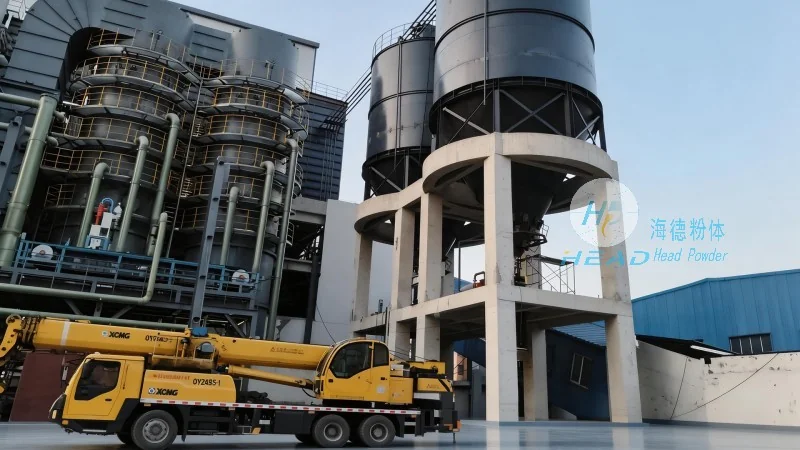
Another key benefit is the flexibility and scalability of pneumatic conveying systems. HeadPowder's solutions can be customized to handle varying flow rates and distances, making them suitable for both small-scale and large-scale industrial applications. The systems can be expanded or modified as production needs change, providing a long-term investment that grows with the business.
HeadPowder's Expertise in Soda Ash Pneumatic Conveying
Shandong HeadPowder Engineering Co., Ltd. (HeadPowder) has established itself as a trusted partner in the design and implementation of pneumatic conveying systems for soda ash and other bulk powders. With a team of experienced engineers and technicians, the company combines technical expertise with practical knowledge to deliver solutions that meet the specific needs of each client.
HeadPowder's approach to pneumatic conveying starts with a thorough understanding of the client's process requirements. The company conducts on-site assessments to evaluate the existing infrastructure, material characteristics, and operational constraints. This data is used to develop a customized system design that optimizes efficiency, reduces energy consumption, and ensures compliance with safety and environmental regulations.
The company's engineers use advanced software tools to model the pneumatic conveying system, simulating different scenarios to predict performance and identify potential issues before the system is installed. This proactive approach minimizes downtime and ensures that the final system meets or exceeds the client's expectations. HeadPowder also provides comprehensive after-sales support, including maintenance services and technical assistance, to ensure the long-term reliability of the system.
Conclusion
Pneumatic conveying is a highly effective method for transporting pulverized detergent soda (soda ash) and other fine particulate materials. By leveraging the principles of air flow and pressure or vacuum, these systems offer a closed, efficient, and safe solution for industrial material handling. HeadPowder, with its expertise and commitment to quality, provides tailored pneumatic conveying solutions that enhance operational efficiency and product quality for clients in Shandong and beyond. As industries continue to demand more efficient and sustainable material handling solutions, pneumatic conveying remains a reliable choice for handling soda ash and other bulk powders.