

Copper Powder Pneumatic Conveying: How to Efficiently Transport Powdered Materials with Air Flow
Efficient transportation of copper powder and other fine particulate materials is a critical challenge in industrial processes. Pneumatic conveying systems offer a solution by utilizing air flow to move materials from one location to another, eliminating the need for traditional mechanical conveying methods like belts or buckets. This approach not only improves operational efficiency but also enhances safety and reduces maintenance costs.
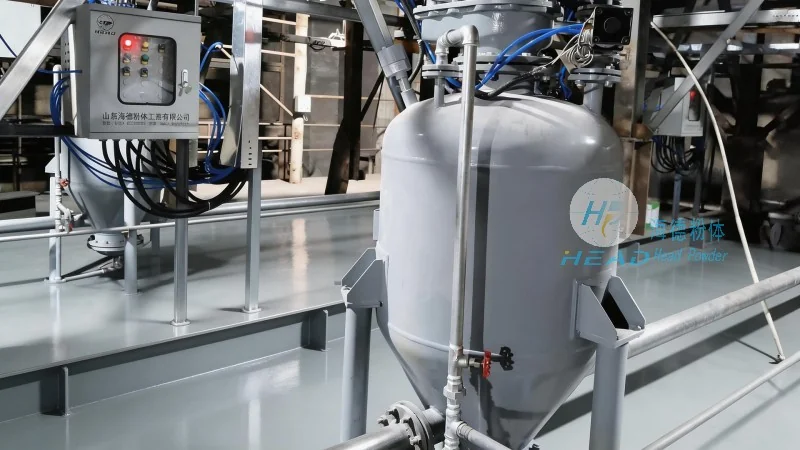
HeadPowder: Your Expert in Pneumatic Conveying Solutions
Shandong HeadPowder Engineering Co., Ltd. (HeadPowder) is a leading provider of specialized engineering solutions for material handling, with a focus on pneumatic conveying systems tailored for copper powder and similar materials. HeadPowder, based in Shandong, China, combines advanced technology with practical application expertise to deliver systems that meet the unique demands of industrial operations.
The Core Principles of Pneumatic Conveying for Copper Powder
Pneumatic conveying systems operate on the principle of using air pressure or vacuum to transport powders through pipelines. For copper powder, which is often sensitive to moisture and contamination, the system design must prioritize cleanliness, air quality, and material integrity. HeadPowder’s solutions incorporate high-efficiency filters, controlled air flow, and specialized pipeline materials to ensure the copper powder remains in optimal condition throughout the conveying process.
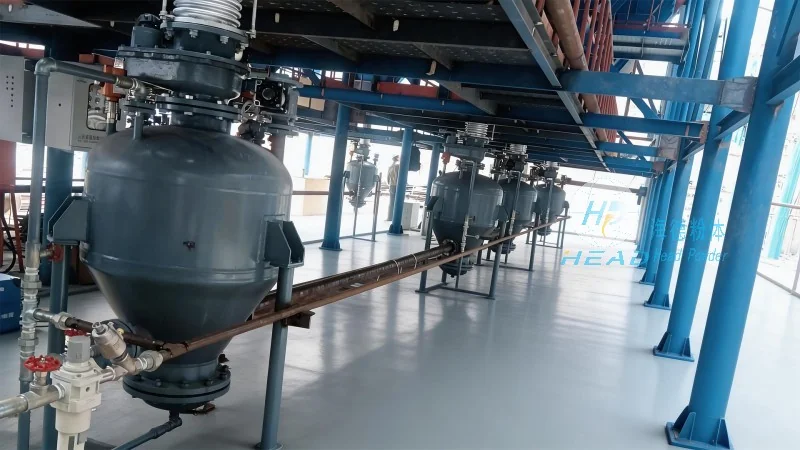
Key Advantages of Using Pneumatic Conveying for Copper Powder
Compared to traditional conveying methods, pneumatic conveying offers several advantages for copper powder handling. These include reduced material degradation due to minimal contact with equipment, lower risk of dust explosions through proper air management, and improved process control through precise flow regulation. Additionally, pneumatic systems can handle varying particle sizes and moisture content, making them versatile for different production stages.
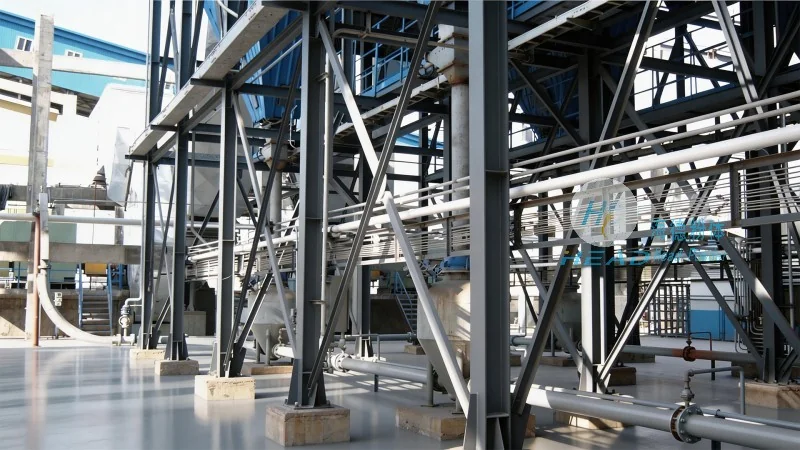
System Components and Design Considerations
A typical copper powder pneumatic conveying system includes several key components: a material feed hopper, an air compressor or vacuum pump, a conveying line with appropriate diameter and material, and a receiver or discharge unit. HeadPowder engineers carefully select each component based on the specific characteristics of the copper powder, such as particle size distribution, bulk density, and flowability. The system design also considers factors like pressure drop, energy consumption, and maintenance requirements to ensure long-term reliability.
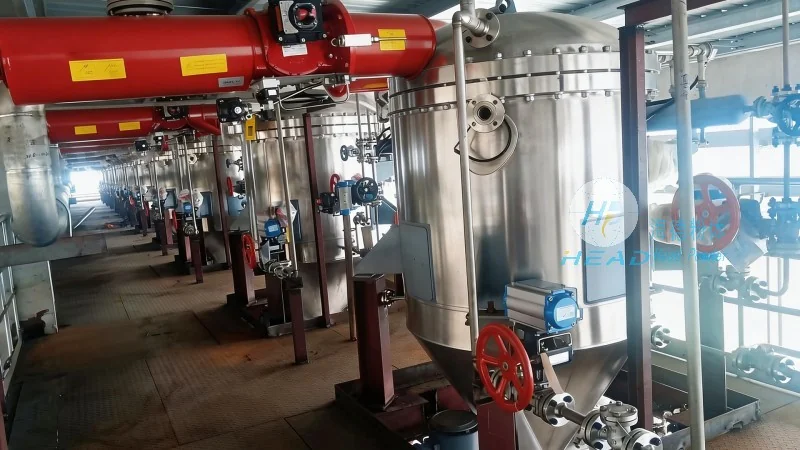
Applications in Industrial Settings
Copper powder pneumatic conveying is widely used in various industrial applications, including metal powder processing, additive manufacturing, and battery production. In metal powder processing, the system efficiently transports copper powder from storage to mixing or sintering equipment, ensuring consistent material quality. In additive manufacturing, precise control of copper powder flow is essential for creating high-quality metal parts, and pneumatic systems provide the necessary accuracy. In battery production, the conveying of copper powder to electrode manufacturing lines is critical for maintaining production efficiency and product consistency.
Ensuring Quality and Compliance
HeadPowder places a strong emphasis on quality and compliance in all its pneumatic conveying systems. The company adheres to industry standards and regulations, ensuring that the systems meet safety and environmental requirements. Regular maintenance and inspection protocols are implemented to prevent issues like blockages or air leaks, which could affect the quality of the copper powder. By prioritizing quality, HeadPowder ensures that its clients receive reliable and efficient solutions that support their production goals.