

White Ash Pneumatic Conveying: How to Efficiently Transport Powder and Granular Materials with Air F
Efficient material handling is a critical aspect of industrial operations, especially when dealing with bulk powders and granular substances like white ash. Pneumatic conveying systems offer a reliable and efficient solution for transporting such materials over varying distances and within complex processing environments. HeadPowder, a leading provider of material handling solutions, specializes in designing and manufacturing pneumatic conveying systems tailored to the needs of industries dealing with white ash and other similar materials.
Understanding Pneumatic Conveying Systems
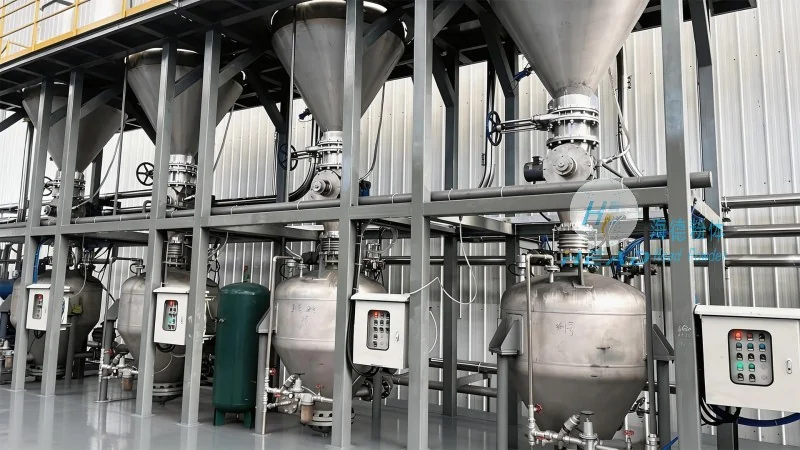
Pneumatic conveying, also known as air conveying, is a method of transporting bulk materials using a stream of pressurized or vacuum air. The process involves creating a flow of air that carries the material particles through a pipeline. There are two primary types of pneumatic conveying systems: pressure and vacuum. Pressure systems use compressed air to push the material forward, while vacuum systems use a vacuum to pull the material into the pipeline. For white ash, which is often fine and abrasive, a well-designed pressure system is typically preferred as it offers better control and reduces the risk of material degradation.
Key Components of a White Ash Pneumatic Conveying System
A typical white ash pneumatic conveying system consists of several key components that work together to ensure efficient material transport. These components include the material feed hopper, the air compressor or vacuum pump, the conveying pipeline, the control valves, and the discharge equipment. The feed hopper is responsible for storing and feeding the white ash into the system. It often includes a rotary valve or a star feeder to regulate the flow of material into the pipeline. The air compressor provides the necessary pressure to move the material, while the control valves allow operators to adjust the air flow and material feed rate. The conveying pipeline is usually made of stainless steel or other corrosion-resistant materials to withstand the abrasive nature of white ash and prevent clogging. The discharge equipment, such as a rotary valve or a dust collector, collects the material at the end of the pipeline and directs it to the next processing stage.
Advantages of Using Pneumatic Conveying for White Ash
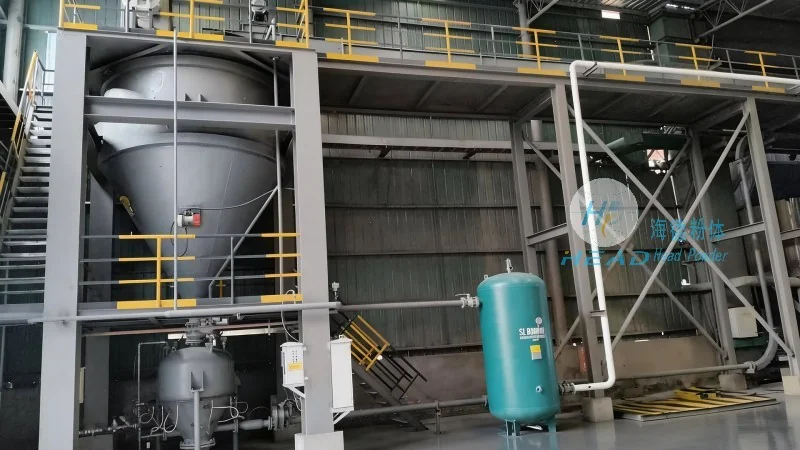
There are several advantages to using pneumatic conveying for white ash transport. One of the most significant benefits is the ability to transport materials over long distances without the need for multiple transfer points or intermediate storage. This reduces the risk of material contamination and loss, as the material remains enclosed within the pipeline. Pneumatic conveying also offers greater flexibility in terms of system layout, as the pipeline can be routed around obstacles and through different levels of the facility. Additionally, the system can be easily integrated with other processing equipment, such as mixers or classifiers, to create a seamless material handling process. Another advantage is the reduced labor costs associated with manual handling of bulk materials. By automating the transport process, companies can improve safety and productivity in their operations.
Design Considerations for Efficient White Ash Conveying
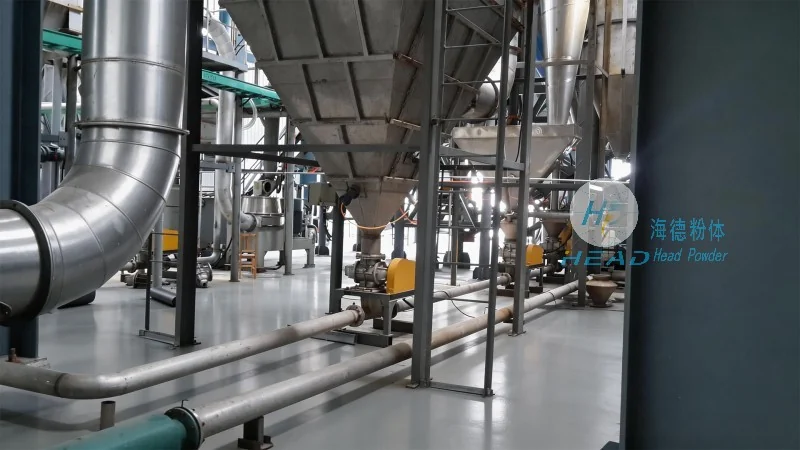
Designing an efficient white ash pneumatic conveying system requires careful consideration of several factors. The first is the material characteristics of the white ash, including its particle size, density, and moisture content. These factors affect the air flow rate and pressure required to move the material. For example, finer particles may require higher air velocities to prevent clogging, while larger particles may need lower velocities to avoid excessive wear on the pipeline. The second factor is the distance and layout of the conveying system. The length and number of bends in the pipeline will impact the pressure drop and energy consumption of the system. A well-designed system will minimize bends and use larger diameter pipes to reduce pressure losses. The third factor is the system's capacity and flow rate. The system must be sized to handle the required material throughput, ensuring that the air flow rate is sufficient to move the material without causing excessive wear or clogging. Finally, the system must be equipped with appropriate control and monitoring equipment to ensure safe and efficient operation.
Applications of White Ash Pneumatic Conveying
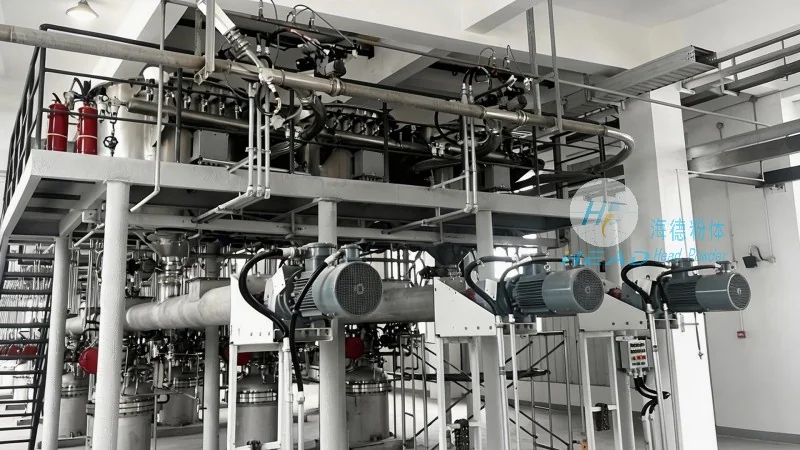
White ash pneumatic conveying systems are widely used in various industrial applications, including power generation, cement production, and chemical processing. In power plants, white ash is often transported from the boiler to a storage silo or to a landfill. The pneumatic conveying system allows for the efficient and safe transport of the ash, reducing the need for manual handling and minimizing the risk of dust exposure. In cement plants, white ash is used as a raw material or as a supplementary cementitious material. The pneumatic conveying system can transport the ash from the storage area to the cement mill or to the mixing plant. In chemical processing, white ash may be used as a filler or as a component in the production of other materials. The pneumatic conveying system allows for the precise and controlled transport of the ash, ensuring that the material is delivered to the correct processing stage without contamination.
Conclusion
White ash pneumatic conveying is an efficient and reliable method for transporting bulk powders and granular materials. By harnessing the power of air flow, companies can improve their material handling processes, reduce labor costs, and enhance safety in their operations. With proper design and maintenance, a pneumatic conveying system can provide long-term benefits and contribute to the overall efficiency of industrial processes. As the demand for efficient material handling solutions continues to grow, pneumatic conveying will remain a key technology in the processing and transport of white ash and other similar materials.