

[Pulverized Coal Pneumatic Conveying: How to Efficiently Transport Powdered Materials with Air Flow]
Efficient material handling is a critical challenge in industries dealing with powdered substances, such as coal, cement, and minerals. Among these, the pneumatic conveying of pulverized coal stands out as a highly effective method to transport bulk materials over long distances with minimal loss and maximum efficiency. This article explores the principles and applications of pneumatic conveying systems, focusing on how companies like Shandong HeadPowder Engineering Co., Ltd. (HeadPowder) leverage advanced technology to optimize the movement of powdered materials.
Introduction to Pneumatic Conveying Systems
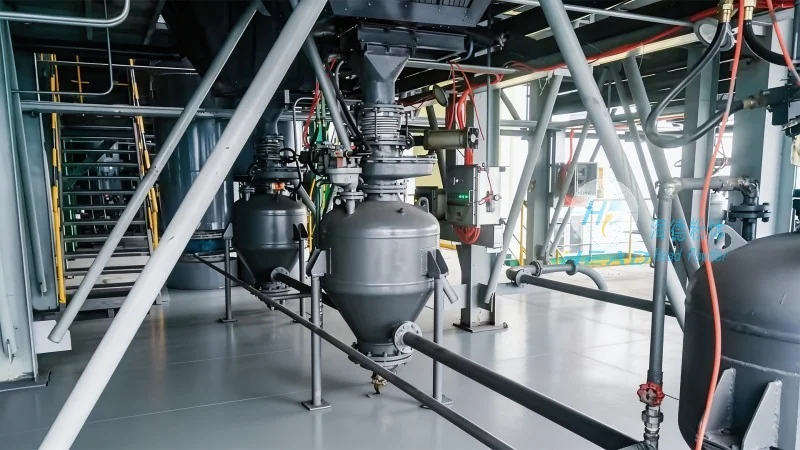
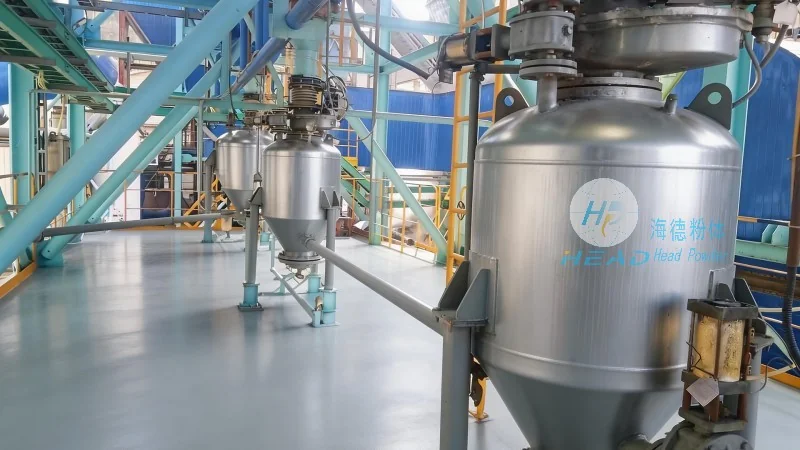
Pneumatic conveying, also known as air conveying, is a process that uses compressed air or gas to transport solid particles through a pipeline. Unlike traditional methods like belt conveyors or bucket elevators, pneumatic systems offer several advantages, including the ability to handle fine powders without segregation, reduced maintenance, and improved safety by eliminating the need for moving parts at the material source. The core of a pneumatic conveying system consists of a hopper for material storage, a blower or compressor to generate the air flow, a pipeline network, and a receiver or discharge point. The system operates by drawing material from the hopper into the pipeline using the air flow, which then carries the particles to the destination.
HeadPowder Engineering: A Leader in Pneumatic Conveying Solutions
HeadPowder, a prominent company based in Shandong, China, specializes in the design, manufacturing, and installation of pneumatic conveying systems tailored for various industrial applications. With years of experience in the field, HeadPowder has developed innovative solutions that address the unique challenges of transporting powdered materials like coal. The company's expertise lies in customizing systems to meet specific operational requirements, ensuring optimal performance and reliability. HeadPowder's commitment to quality and customer satisfaction has made it a trusted partner for industries seeking efficient material handling solutions.
The Advantages of Pneumatic Conveying for Pulverized Coal
When it comes to transporting pulverized coal, pneumatic conveying offers numerous benefits that traditional methods cannot match. Firstly, it provides a continuous and uniform flow of material, preventing the segregation of different particle sizes that often occurs with mechanical conveyors. This uniformity is crucial for maintaining consistent product quality and reducing waste. Secondly, pneumatic systems are highly flexible, allowing for easy integration into existing production lines and the ability to transport materials over long distances without the need for intermediate storage. Additionally, these systems are more hygienic and safer, as they minimize dust exposure and eliminate the risk of mechanical failure or material spillage. The energy efficiency of pneumatic conveying, particularly with modern blower technologies, further enhances its appeal for large-scale operations.
Key Components and Working Principle of Pneumatic Conveying Systems
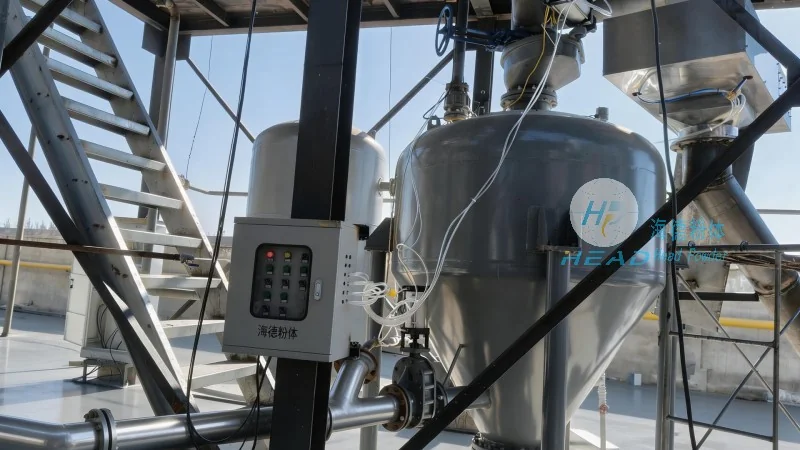
The effectiveness of a pneumatic conveying system depends on its key components and the understanding of its working principle. The primary components include the material hopper, which stores the coal and provides a controlled feed; the air compressor or blower, which generates the necessary air pressure to move the material; the pipeline system, which transports the material from the source to the destination; and the receiver or discharge hopper, where the material is collected. The working principle involves creating a pressure differential between the hopper and the receiver. As the air is drawn from the hopper into the pipeline, it lifts and carries the coal particles along with it. The velocity of the air flow is critical; it must be sufficient to keep the particles suspended and prevent them from settling in the pipeline. HeadPowder's systems are engineered to optimize this velocity, ensuring efficient transport while minimizing energy consumption.
Applications and Real-World Implementation
Pneumatic conveying systems are widely used in various industries, with coal processing being a primary application. In power plants, for example, these systems are used to transport coal from storage silos to boilers, ensuring a steady supply of fuel. The systems are also employed in cement plants, where powdered cement is conveyed from production units to storage or packaging areas. HeadPowder has successfully implemented such systems in numerous projects, demonstrating their ability to handle high volumes of material with minimal downtime. The company's expertise in system design allows for the adaptation of pneumatic conveying to different operational conditions, such as varying particle sizes, moisture content, or temperature.
Optimizing Pneumatic Conveying for Maximum Efficiency
To achieve the highest efficiency in pneumatic conveying, several factors must be considered. The selection of the appropriate air velocity is paramount; too low a velocity may cause particle settling, while too high a velocity can lead to excessive energy consumption and wear on the system components. HeadPowder employs advanced computational fluid dynamics (CFD) simulations to model the flow of material and air, allowing for precise optimization of system parameters. Additionally, the use of high-quality materials for pipelines and components, such as stainless steel or special coatings, helps to prevent corrosion and wear, extending the system's lifespan. Regular maintenance and monitoring of the system's performance are also essential to ensure consistent operation and to identify any potential issues before they become major problems.
Conclusion: The Future of Material Handling with Pneumatic Conveying
As industries continue to seek more efficient and sustainable methods for handling bulk materials, pneumatic conveying remains a leading technology. Companies like Shandong HeadPowder Engineering Co., Ltd. play a vital role in advancing this technology by developing innovative solutions that meet the evolving needs of the market. By leveraging their expertise in system design and engineering, HeadPowder ensures that pneumatic conveying systems are not only efficient but also reliable and cost-effective. For industries dealing with powdered materials like coal, pneumatic conveying offers a superior alternative to traditional methods, providing a pathway to improved productivity and reduced operational costs.