

Detailed Explanation of Glass Powder Pneumatic Conveying Systems
For industries dealing with glass powders, efficient and reliable material handling is crucial. Pneumatic conveying systems offer a solution that minimizes dust, reduces labor costs, and enhances overall production efficiency. This article provides a comprehensive overview of glass powder pneumatic conveying systems, highlighting their components, operational principles, and practical applications.
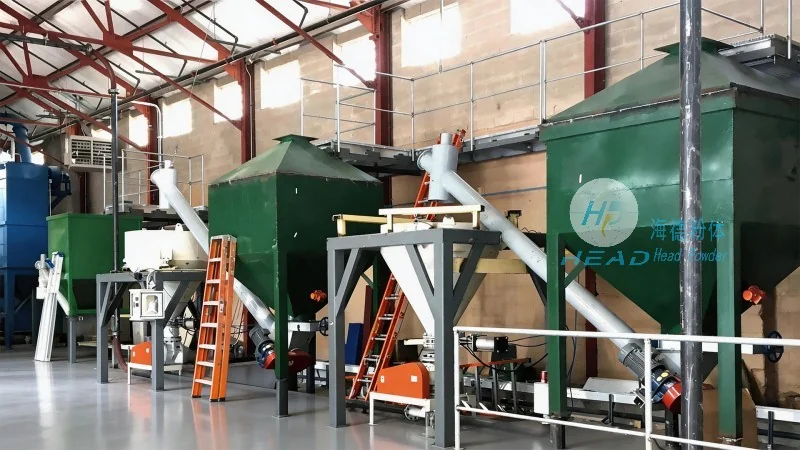
About Shandong HeadPowder Engineering Co., Ltd.
HeadPowder, the professional manufacturer behind these systems, is a leading company in the field of material handling solutions. With a focus on innovation and quality, HeadPowder has established itself as a trusted partner for businesses seeking advanced pneumatic conveying technologies. The company is headquartered in Shandong, China, and specializes in designing, manufacturing, and implementing customized glass powder conveying systems tailored to specific industrial needs.
Key Components of a Glass Powder Pneumatic Conveying System
A typical glass powder pneumatic conveying system consists of several essential components that work in harmony to transport the material. The primary elements include a hopper for material storage, a feeder to control the flow rate, a conveying line (often made of stainless steel or other corrosion-resistant materials to handle glass powders), a blower or compressor to generate the air pressure, and a receiver or discharge unit to collect the material at the destination. Each component plays a critical role in ensuring smooth and continuous operation.
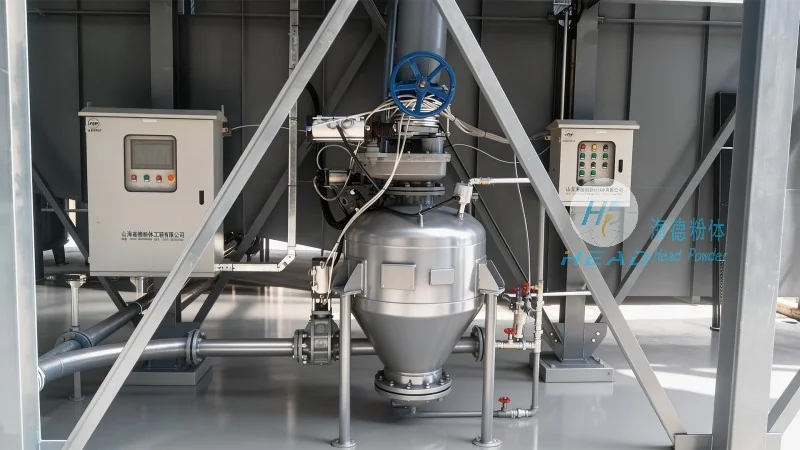
Operational Principles and How It Works
The core of a pneumatic conveying system is the use of air to move the glass powder particles. There are two main types of systems: pressure and vacuum. In a pressure system, the blower pushes air into the conveying line, carrying the glass powder from the source to the destination. The pressure system is ideal for short to medium distances and can handle higher material loads. In contrast, a vacuum system uses a vacuum pump to draw air and material from the source, which is suitable for longer distances or when the material needs to be collected from multiple points. The choice between pressure and vacuum depends on the specific application requirements, such as the distance between the source and destination, the volume of material to be conveyed, and the need for dust control.
Applications in Glass Powder Handling
Glass powder pneumatic conveying systems are widely used in various industries that process glass powders, including glass manufacturing, ceramics, and pharmaceuticals. In glass manufacturing, these systems are essential for transporting raw glass powders from storage to the melting furnaces, ensuring a consistent and controlled supply of material. In the ceramics industry, they help move colored glass powders to mixing and molding processes, maintaining color uniformity and reducing waste. Additionally, in pharmaceutical applications, pneumatic conveying systems provide a hygienic and dust-free method for handling glass powders, which is critical for meeting regulatory standards and ensuring product quality.
Advantages of Using Pneumatic Conveying for Glass Powders
Compared to traditional methods like belt conveyors or manual handling, pneumatic conveying offers several advantages for glass powder applications. One of the most significant benefits is the reduction of dust and airborne particles, which improves workplace safety and compliance with environmental regulations. The enclosed system also prevents contamination of the glass powder, which is vital for maintaining product purity. Furthermore, pneumatic conveying systems can handle fine and abrasive materials like glass powders without causing wear and tear on the equipment, as the material is carried by air rather than direct contact with the conveyor components. Another advantage is the flexibility of the system, which allows for easy integration with existing production lines and the ability to adjust the conveying rate based on production demands.
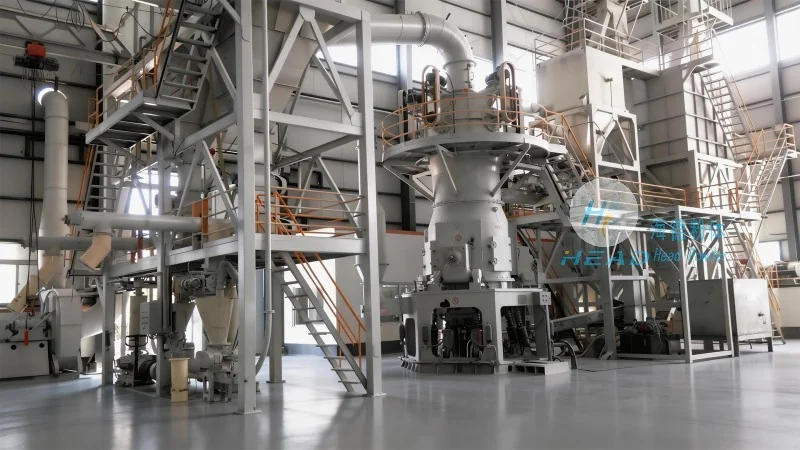
Maintenance and Operational Considerations
To ensure the longevity and efficiency of a glass powder pneumatic conveying system, regular maintenance is essential. This includes cleaning the conveying line and components to prevent buildup of glass powder, checking the blower or compressor for proper air pressure and flow, and inspecting the feeder and hopper for any blockages or wear. Proper maintenance not only extends the life of the equipment but also minimizes downtime and ensures consistent performance. Additionally, it is important to use appropriate materials for the system components, such as stainless steel or special coatings, to resist corrosion and wear caused by the abrasive nature of glass powders. HeadPowder recommends following a regular maintenance schedule and using high-quality replacement parts to maintain optimal system performance.
Conclusion
Glass powder pneumatic conveying systems are a reliable and efficient solution for industries dealing with glass powders. By leveraging the power of air to transport material, these systems offer significant advantages in terms of dust control, safety, and productivity. With the expertise of companies like Shandong HeadPowder Engineering Co., Ltd., businesses can implement customized systems that meet their specific requirements, ensuring smooth and continuous operation in their production processes. Whether for glass manufacturing, ceramics, or other applications, pneumatic conveying is a proven technology that continues to enhance material handling in modern industries.