Barium carbonate is a critical industrial material used in various sectors such as glass manufacturing, ceramics, and pharmaceuticals. The efficient and safe handling of this material is paramount, as its properties—like particle size distribution, density, and flow characteristics—significantly impact the choice of conveying method. This article delves into the common methods used to transport barium carbonate, focusing on their advantages, limitations, and suitability for different industrial scenarios.
Before evaluating conveying methods, it's essential to understand the inherent characteristics of barium carbonate. Typically, it exists as a fine powder or granules with a relatively high density and moderate flowability. The particle size can vary widely, from fine powders to coarse granules, which directly influences how easily the material can be moved. For instance, fine powders are more prone to dust generation and require more careful handling to prevent clogging or loss. These properties dictate whether a method like gravity flow, mechanical transport, or pneumatic conveying is most appropriate.

Gravity conveying relies on the natural downward movement of material under the influence of gravity. This method is simple and cost-effective for short vertical or horizontal distances where the material has good flow characteristics. However, it is highly dependent on the height of the vertical drop and the angle of the horizontal incline. For barium carbonate, gravity conveying works well when the material is free-flowing and the distance is short, such as moving from a storage silo to a processing unit. The main limitation is that it cannot overcome significant height differences or handle large volumes efficiently, making it unsuitable for complex industrial setups.
Mechanical conveying systems, including belt conveyors, screw conveyors, and bucket elevators, are widely used for bulk material handling. These systems are robust and can handle high volumes of barium carbonate, making them ideal for long-distance or large-scale operations. Belt conveyors, for example, are excellent for horizontal or slight incline transport, while screw conveyors are suitable for vertical or inclined movement. However, mechanical systems have drawbacks, particularly for fine powders. The risk of material buildup, wear on components, and the potential for dust generation during operation are significant concerns. Additionally, mechanical conveyors require regular maintenance and can be less flexible in adapting to changes in material flow rates.

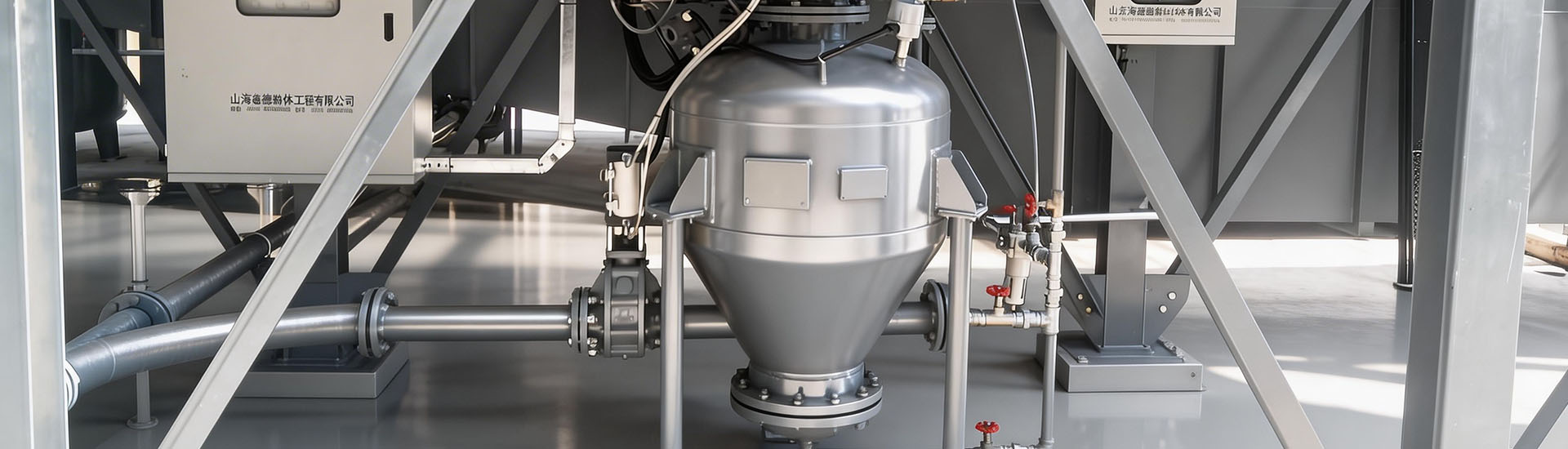
For barium carbonate, pneumatic conveying offers a superior alternative, especially when dealing with fine powders or when a closed system is required to prevent dust exposure. Pneumatic conveying uses air or other gases to transport material through a pipeline. This method is highly effective for barium carbonate because it can handle both fine powders and granules, maintain a clean environment, and achieve high transport speeds. Headpowder's pneumatic conveying solutions are designed to address the unique challenges of barium carbonate, ensuring efficient, dust-free, and reliable transport. By utilizing advanced technology, such as positive displacement blowers or venturi systems, these systems can handle varying particle sizes and flow rates, making them adaptable to diverse industrial needs.
The benefits of pneumatic conveying for barium carbonate are multifaceted. First, it provides a completely enclosed system, which is crucial for maintaining a safe and clean working environment, especially in industries where dust control is mandatory. Second, it offers high flexibility, allowing for changes in the layout of the conveying system without major modifications. Third, it can handle both horizontal and vertical transport, making it suitable for complex plant layouts. Additionally, pneumatic systems are less prone to material buildup and can be integrated with other processing equipment, enhancing overall operational efficiency. For industries dealing with barium carbonate, pneumatic conveying is often the most efficient and cost-effective solution in the long run.
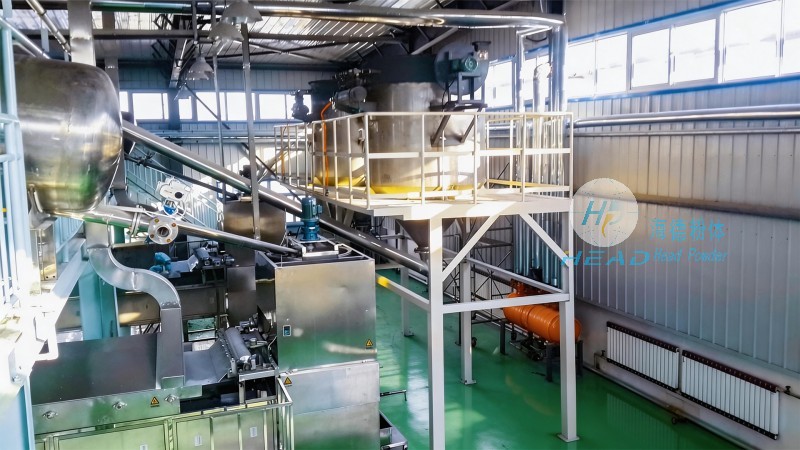
At Headpowder, we specialize in providing tailored pneumatic conveying solutions for barium carbonate and other challenging materials. Our expertise lies in designing systems that not only meet the technical requirements but also enhance safety and productivity. Whether you need to transport fine powders or handle large volumes, our team can help you choose the most suitable method and implement a reliable conveying system. Contact us today to learn more about how our pneumatic conveying solutions can optimize your barium carbonate handling processes and improve your overall industrial operations.

 Shandong Haide Powder Engineering Co., Ltd
 156-6277-7102(Manager Zhang)
  0531-83386006
  No. 1 Shanggao Industrial Park, Zhangqiu District, Jinan City, Shandong Province
 telephone
top