For manufacturers dealing with foam plastic materials, selecting the right conveying method is critical to maintaining product integrity and operational efficiency. Foam plastics, characterized by their low density, lightweight nature, and often fragile or porous structure, present unique challenges in material handling. Traditional conveying systems designed for dense or rigid materials may not only fail to handle these properties effectively but can also cause significant damage, such as compression or static discharge. This article provides a comprehensive comparison of common conveying methods tailored to foam plastic, helping professionals make informed decisions that align with their production needs.
Foam plastics, including polystyrene, polyethylene, and polyurethane, are defined by their cellular structure, which gives them low density and high cushioning properties. However, these very characteristics make them susceptible to damage during handling. The lightweight nature means they can be easily carried by air currents, leading to loss or contamination, while their porous structure may trap dust or particles. Additionally, many foam plastics are prone to static electricity, which can cause material buildup or even spark hazards. These challenges necessitate specialized conveying systems that can gently move the material without compromising its quality.

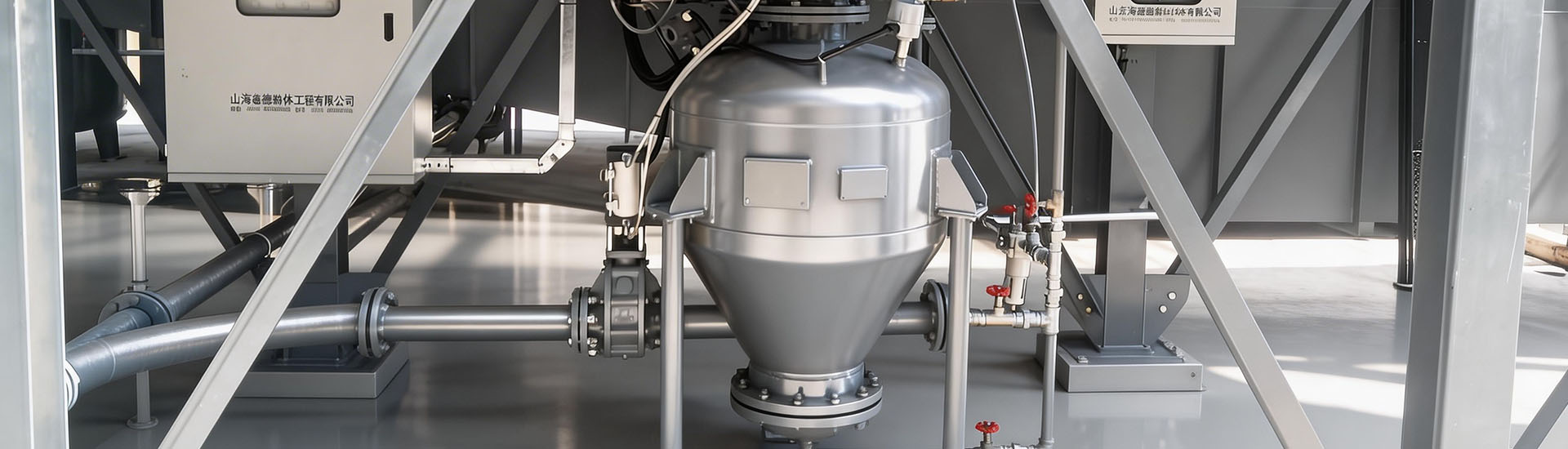
Vacuum conveying is a widely used method for handling light, free-flowing materials like foam plastic. The system operates by creating a negative pressure in a hopper or container, drawing the material into a flexible hose or tube. This method is particularly effective for materials that are difficult to convey mechanically, as it minimizes physical contact and reduces the risk of compression or breakage. Headpowder's Foam plazatory conveying systems often incorporate advanced vacuum technology, such as multi-stage vacuum pumps, to ensure consistent and reliable material transport. The gentle suction action also helps prevent static buildup, making it a safe choice for static-prone foam plastics. However, vacuum conveying may not be suitable for very fine or dust-like foam particles, as they can be lost in the air stream.
Traditional mechanical conveyors, such as screw conveyors or belt conveyors, are commonly used in bulk material handling but often struggle with foam plastic. Screw conveyors, for example, rely on rotating screws to move material, which can cause excessive compression and deformation of foam particles. This not only reduces product quality but also increases wear on the equipment. Belt conveyors, while effective for larger pieces, may not provide sufficient grip on lightweight foam, leading to slippage or material loss. For these reasons, mechanical systems are generally less preferred for foam plastic unless the material is highly compressible or has a rigid structure. Headpowder's expertise lies in adapting mechanical systems with specialized components, such as flexible screws or soft belts, to mitigate some of these issues, but the fundamental limitations remain.

In contrast to vacuum systems, pressure conveying uses positive pressure to push material through a pipeline. This method is more suitable for denser foam plastics or when a higher flow rate is required. The system typically involves a blower or compressor that forces air (or a carrier gas) through the material, carrying it to the destination. Pressure conveying can handle a wider range of particle sizes and is less affected by static issues compared to vacuum systems. However, it may cause more compression and heat generation, which can affect the foam's structure. Headpowder's Foam plazatory conveying solutions often integrate pressure control systems to regulate the air flow and minimize damage. For manufacturers processing foam plastic with higher density or requiring rapid transport, pressure conveying may be a viable option, though it requires careful design to avoid over-pressurization.
Vibrating conveyors use oscillating motion to move material along a trough. This method is effective for materials that are difficult to convey due to poor flowability, such as some foam plastics with irregular shapes or high moisture content. The gentle vibration helps prevent material buildup and ensures consistent transport. However, foam plastic may still experience some compression or abrasion, especially if the trough is not properly lined or the vibration frequency is too high. Headpowder's Foam plazatory conveying systems can be customized with soft materials or low-amplitude vibrations to protect the foam's integrity. Vibrating conveyors are often used in combination with other methods, such as vacuum or pressure, to create a multi-stage handling process. They are particularly useful for transporting foam plastic from storage to processing areas where gentle handling is essential.

Choosing the right conveying method for foam plastic is a critical step in optimizing production efficiency and maintaining product quality. At Headpowder, we specialize in developing customized Foam plazatory conveying solutions that address the unique challenges of foam materials. Whether you need vacuum, pressure, or mechanical handling, our team of experts can design a system tailored to your specific requirements. Contact us today to learn how our advanced conveying systems can improve your foam plastic handling processes and reduce operational costs. Explore our Foam plazatory conveying products and discover the benefits of professional-grade material handling for your business.

 Shandong Haide Powder Engineering Co., Ltd
 156-6277-7102(Manager Zhang)
  0531-83386006
  No. 1 Shanggao Industrial Park, Zhangqiu District, Jinan City, Shandong Province
 telephone
top