Fiber materials, such as wood pulp, textile fibers, and synthetic fibers, are integral to numerous industrial processes—from paper manufacturing to textile production. The efficiency and effectiveness of material handling directly impact production quality and cost. Among various conveying methods, selecting the right approach for fiber materials is critical. This article provides a comprehensive comparison of common conveying methods, focusing on the unique challenges and optimal solutions for fiber material transportation.
Fiber materials often present unique handling challenges due to their physical properties. They are typically lightweight, with high surface area and low bulk density, making them prone to static electricity and dust accumulation. Additionally, many fibers are delicate, easily damaged by friction or impact, and can clump or agglomerate, leading to blockages in traditional conveying systems. These characteristics necessitate specialized handling solutions to maintain material integrity and operational efficiency.

Traditional methods like screw conveyors and belt conveyors have been widely used in material handling. However, they often fall short when dealing with fiber materials. Screw conveyors, for instance, rely on rotating screws to move material, which can cause fiber breakage and clogging, especially with fibrous or sticky materials. Belt conveyors, while effective for bulk materials, may not handle fine fibers well, as they can slip or cause abrasion, reducing material quality. These limitations highlight the need for more advanced, gentle handling solutions.
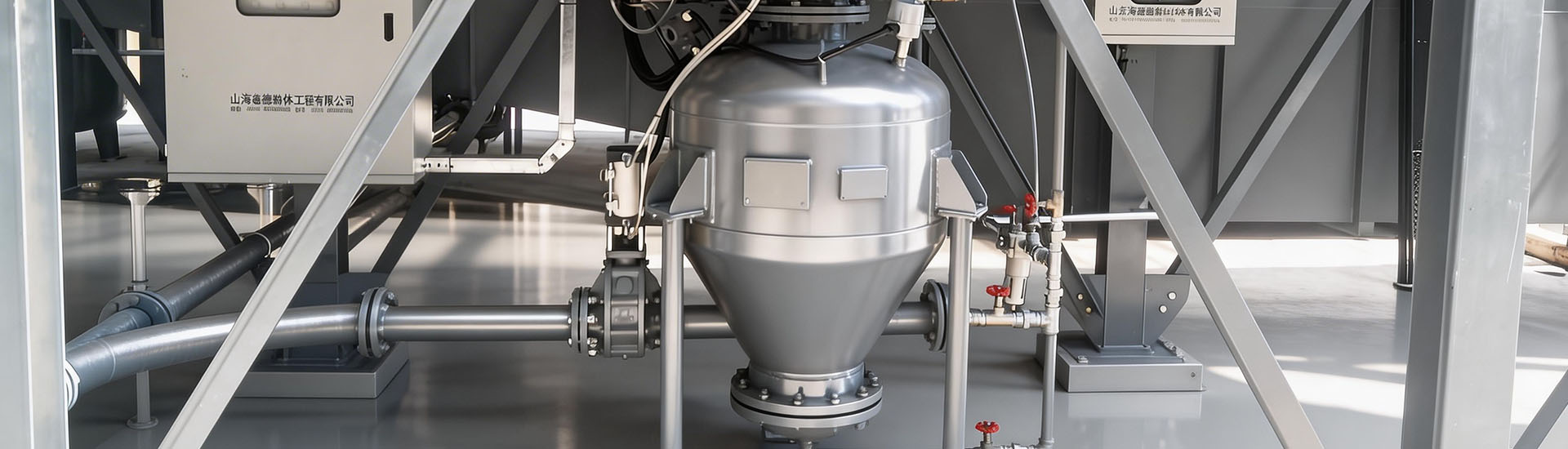
Pneumatic conveying, particularly the positive pressure or negative pressure systems, offers significant advantages for fiber material transport. Unlike mechanical systems, pneumatic conveying uses air to move materials through pipes, minimizing physical contact and reducing the risk of fiber damage. It also effectively controls dust and prevents contamination, which is crucial for industries like pharmaceuticals or food processing. Moreover, pneumatic systems can handle a wide range of fiber types and sizes, from fine powders to long fibers, with high throughput and low energy consumption compared to traditional methods.

Headpowder specializes in designing and manufacturing advanced pneumatic conveying systems tailored to the specific needs of fiber materials. Our solutions incorporate features such as flexible hose or rigid pipe configurations, adjustable air pressure control, and specialized filter systems to ensure efficient and clean material transport. We offer both positive and negative pressure systems, allowing customers to choose the most suitable option based on their application requirements. Our systems are engineered to handle delicate fibers without compromising on performance, providing reliable and cost-effective material handling solutions for various industries.

For industries seeking efficient and reliable fiber material handling solutions, Headpowder's pneumatic conveying systems offer a superior alternative to traditional methods. By leveraging advanced technology and tailored designs, our solutions address the unique challenges of fiber materials, ensuring optimal performance and minimal downtime. Contact us today to explore how our fiber material pneumatic conveying systems can enhance your production processes and improve overall efficiency.

 Shandong Haide Powder Engineering Co., Ltd
 156-6277-7102(Manager Zhang)
  0531-83386006
  No. 1 Shanggao Industrial Park, Zhangqiu District, Jinan City, Shandong Province
 telephone
top