When it comes to handling ABS particles in industrial applications, selecting the right conveying method is crucial for maintaining product quality and operational efficiency. ABS particles, known for their high impact resistance and excellent surface finish, are widely used in automotive, electronics, and consumer goods manufacturing. However, the unique physical properties of ABS—such as its density, particle size distribution, and hygroscopic nature—require careful consideration when choosing a conveying system. This article aims to compare common conveying methods for ABS particles, helping professionals make informed decisions to optimize their production processes.
Gravity conveying relies on the natural flow of materials under the influence of gravity, typically using hoppers and chutes. While this method is simple and low-cost, it is highly dependent on the angle of inclination and the particle's flowability. For ABS particles, which can be prone to bridging or segregation due to their spherical shape and smooth surface, gravity conveying often leads to uneven material flow and increased downtime for maintenance. Additionally, the risk of contamination from the environment is higher, as the open system is more susceptible to dust and moisture ingress.

Mechanical conveying systems, such as screw conveyors and belt conveyors, use mechanical components to move materials. These systems are widely used in bulk material handling due to their durability and ability to handle large volumes. However, for ABS particles, mechanical conveyors may cause abrasion and wear on the equipment, reducing lifespan and increasing maintenance costs. The high friction between the particles and the conveyor surface can also generate heat, potentially affecting the material's properties, especially if the particles are sensitive to temperature changes. Moreover, mechanical systems are less flexible in terms of layout, as they require fixed structures and may not adapt well to changes in production volume.
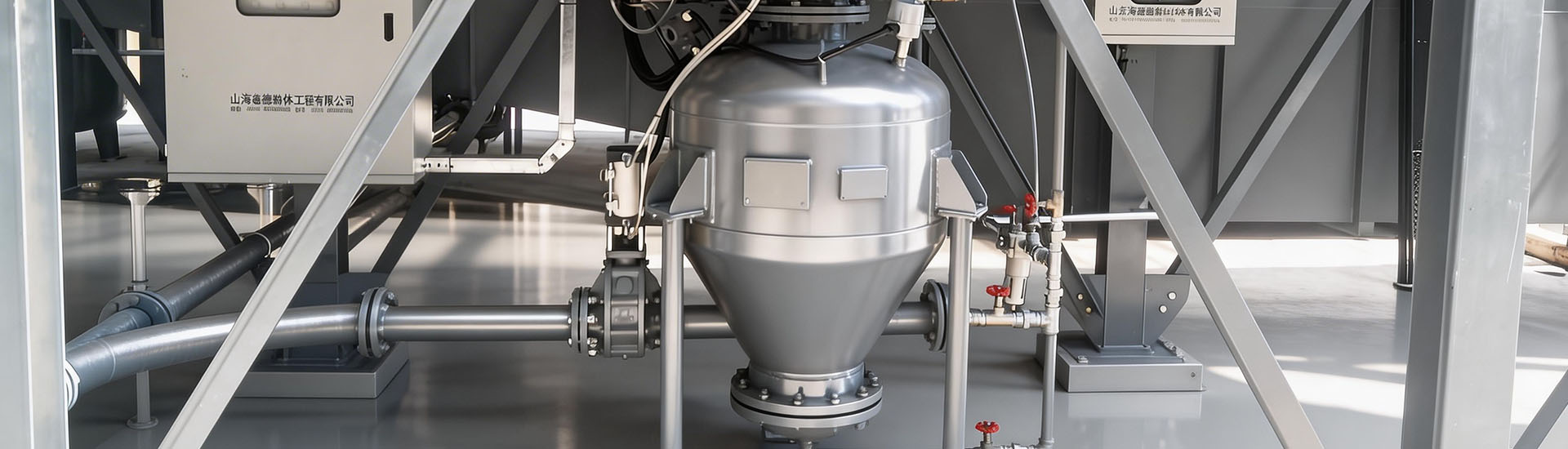
Pneumatic conveying, particularly the headpowder ABS particle pneumatic conveying system, offers a more efficient and gentle method for transporting ABS particles. By using compressed air to move materials through a pipeline, this system minimizes physical contact, reducing the risk of abrasion and maintaining the integrity of the particles. The headpowder pneumatic conveying system is designed with specialized components, such as flexible hoses and low-friction pipelines, to handle the unique characteristics of ABS particles. This method not only ensures a consistent flow rate but also provides better control over moisture and dust, which is critical for maintaining the material's quality. Furthermore, pneumatic systems are highly flexible, allowing for easy integration into existing production lines and adjustments to meet varying production demands.

When evaluating conveying methods for ABS particles, several factors must be considered to ensure optimal performance. First, the material's hygroscopic nature means that the system should be designed to minimize exposure to moisture, as absorbed moisture can affect the particle's processing properties. Second, the particle size and distribution impact the choice of equipment, as finer particles may require more gentle handling to avoid clogging. Third, the system's ability to maintain a consistent flow rate is essential for downstream processes, such as extrusion or molding, where uniform material input is critical. Finally, energy efficiency and operational costs should be taken into account, as pneumatic systems, while initially more expensive, often offer long-term savings through reduced maintenance and improved productivity.

Understanding the right conveying method for your ABS particle application is key to maximizing efficiency and product quality. The headpowder ABS particle pneumatic conveying system provides a reliable, flexible, and cost-effective solution tailored to the unique needs of ABS particles. To learn more about how our system can enhance your production processes, contact us today for a personalized consultation and demonstration. We are committed to helping you achieve optimal performance in your industrial applications.

 Shandong Haide Powder Engineering Co., Ltd
 156-6277-7102(Manager Zhang)
  0531-83386006
  No. 1 Shanggao Industrial Park, Zhangqiu District, Jinan City, Shandong Province
 telephone
top