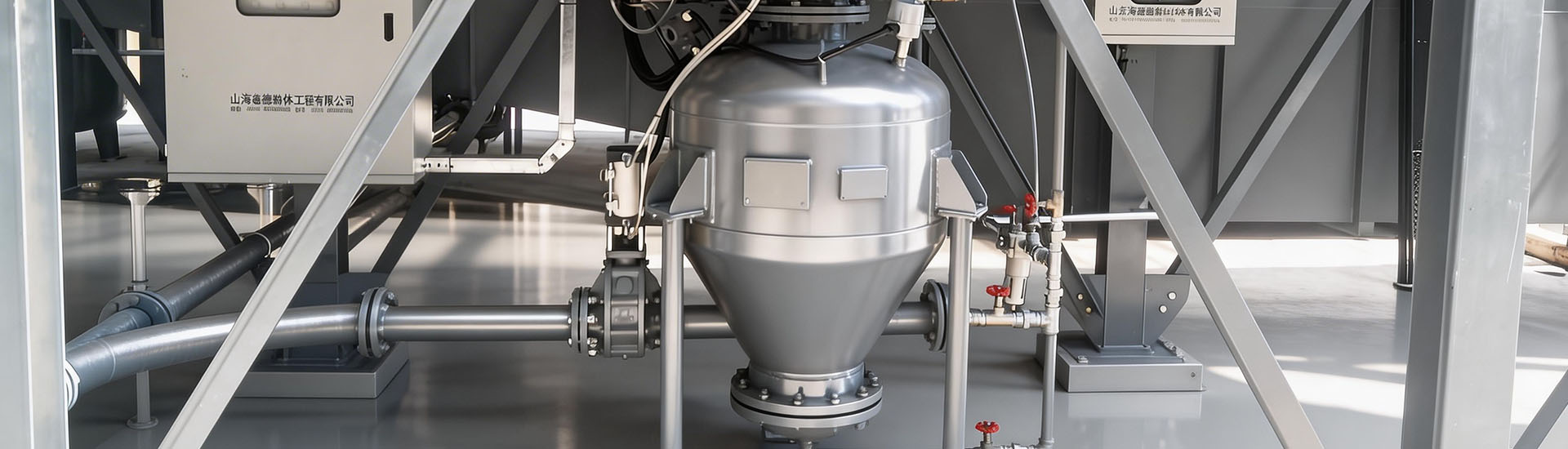
When processing buckwheat skin, selecting the right conveying method is critical to maintaining product quality and improving production efficiency. Different methods have distinct characteristics, and understanding their pros and cons helps manufacturers choose the most suitable solution for their operations. This article compares common conveying methods, with a focus on the benefits of pneumatic transport for buckwheat skin handling.
The physical characteristics of buckwheat skin, such as particle size (typically 0.5-3mm), density (around 0.6-0.8 g/cm³), and moisture content (usually below 10%), significantly influence the selection of a conveying system. For example, small and fragile particles are better handled by pneumatic systems, which minimize mechanical wear and breakage compared to traditional mechanical conveyors.

Traditional methods like gravity or mechanical conveyors may struggle with light, low-density materials like buckwheat hulls. Gravity systems require steep inclines to ensure flow, occupying large spaces and often being inefficient. Mechanical conveyors, such as screw or belt systems, can generate heat through friction, potentially affecting the quality of heat-sensitive buckwheat products. In contrast, pneumatic conveying uses compressed air to transport materials in a closed system, offering continuous, non-contact movement that reduces contamination risks.
Systems like Headpowder's Buckwheat skin is pneumatically transported provide high throughput, capable of moving large volumes of buckwheat skin quickly and reliably. The enclosed design prevents dust and particle dispersion, meeting stringent food safety standards and reducing environmental impact. This method also minimizes human intervention, lowering the risk of cross-contamination and improving operational safety.

In buckwheat processing plants, pneumatic conveying integrates seamlessly with other equipment, from raw material storage to packaging. For instance, a facility using Headpowder's pneumatic system reported a 30% reduction in material handling time and lower labor costs. The automated process ensures consistent flow rates, enabling smoother production lines and higher output.
Compared to mechanical systems, pneumatic conveying is more energy-efficient, with compressed air often recyclable. The closed system also reduces oxidation and spoilage, extending product shelf life. For businesses committed to sustainability, pneumatic transport offers a cost-effective and eco-friendly solution that aligns with modern industrial standards.

Headpowder specializes in customized pneumatic conveying solutions tailored to buckwheat skin processing needs. To learn how our systems can optimize your production line, contact us today for a personalized consultation and discover the efficiency gains of advanced material handling technology.

 Shandong Haide Powder Engineering Co., Ltd
 156-6277-7102(Manager Zhang)
  0531-83386006
  No. 1 Shanggao Industrial Park, Zhangqiu District, Jinan City, Shandong Province
 telephone
top