In the artificial graphite industry, selecting the right conveying method is critical to optimizing production efficiency and ensuring operational safety. Traditional approaches such as manual handling or mechanical conveyors often present significant challenges, including high labor costs, equipment wear, and the risk of dust explosion due to static accumulation. As the industry evolves, modern pneumatic conveying technology has emerged as a preferred solution, offering enhanced control, reduced contamination, and improved process reliability. This article provides a comprehensive comparison of common artificial graphite conveying methods, focusing on the advantages and limitations of each approach to help businesses make informed decisions.
Artificial graphite, known for its high purity, excellent electrical conductivity, and thermal stability, poses unique challenges during handling and transportation. The fine particle size and brittle nature of graphite make it susceptible to breakage and dust generation, while its high resistivity can lead to static electricity buildup. Conventional conveying methods like bucket elevators or screw conveyors may cause friction and attrition, compromising the material's quality and increasing maintenance costs. Additionally, the risk of dust explosion in enclosed spaces demands strict control over particle flow and static discharge, making traditional solutions inadequate for many high-value applications.

Manual conveying, though simple, is highly inefficient and labor-intensive, requiring constant human intervention to move bulk graphite. This not only increases operational costs but also exposes workers to health risks from dust inhalation and physical strain. Mechanical conveyors, such as belt or screw conveyors, while effective for some bulk materials, struggle with graphite due to its abrasive properties. The constant friction between graphite particles and conveyor surfaces leads to rapid wear and tear, reducing equipment lifespan and increasing downtime. Moreover, these systems lack effective static control, making them unsuitable for environments where dust explosion prevention is mandatory.
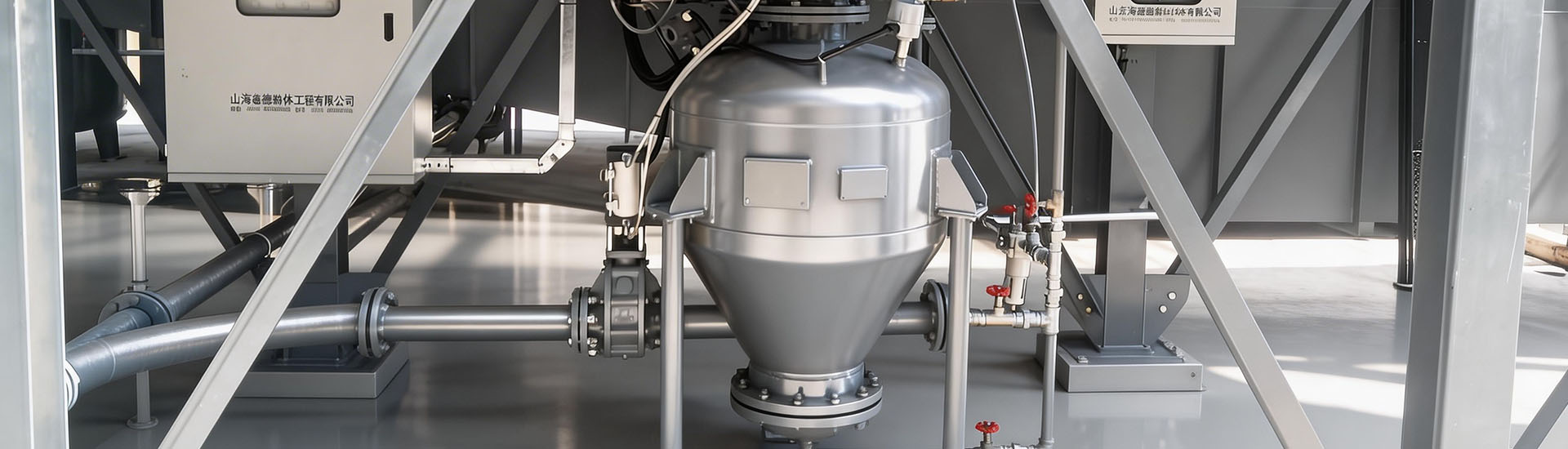
Artificial graphite pneumatic conveying systems, particularly those offered by headpowder, represent a superior alternative to traditional methods. By utilizing air pressure to transport graphite particles, these systems minimize direct contact between the material and equipment, reducing friction and particle damage. The negative pressure or positive pressure designs ensure a sealed, dust-free environment, preventing contamination and protecting workers from exposure. Headpowder's systems are equipped with advanced static elimination devices, such as ionizers or grounding electrodes, which neutralize static charges and eliminate the risk of dust explosions. Furthermore, the automated control features allow for precise adjustment of flow rates, ensuring consistent material delivery and optimizing energy consumption.
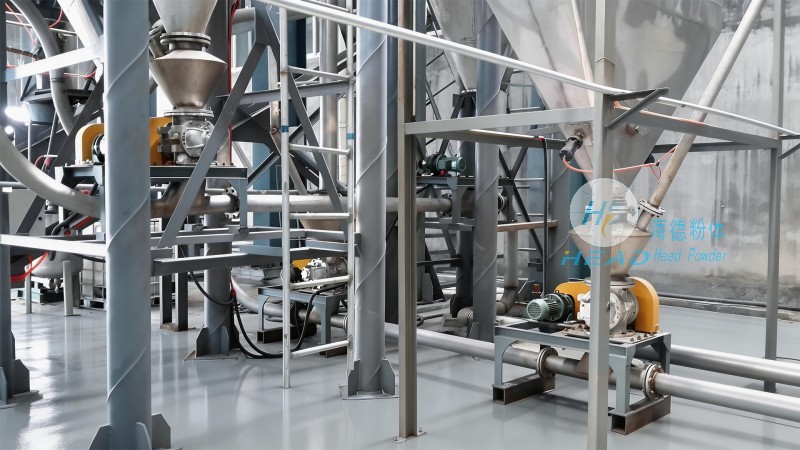
Compared to mechanical conveyors, pneumatic systems offer greater flexibility, enabling the transport of graphite over long distances and through complex layouts without the need for multiple transfer points. This reduces the number of equipment installations and maintenance points, simplifying the overall process. Unlike manual handling, pneumatic conveying eliminates the need for human labor, improving safety and productivity while reducing labor costs. Headpowder's artificial graphite pneumatic conveying solutions are designed with scalability in mind, allowing businesses to expand their operations without significant upgrades to the conveying infrastructure. The system's modular design also facilitates easy integration with existing production lines, minimizing disruption during implementation.

For artificial graphite manufacturers seeking to enhance efficiency, reduce costs, and improve safety, headpowder's artificial graphite pneumatic conveying systems provide a reliable and advanced solution. By addressing the unique challenges of graphite handling, these systems deliver consistent performance, lower maintenance requirements, and compliance with industry safety standards. To learn more about how our pneumatic conveying technology can transform your artificial graphite processing, contact us today for a customized solution or a product demonstration. Let us help you choose the best conveying method for your artificial graphite applications and achieve your production goals.

 Shandong Haide Powder Engineering Co., Ltd
 156-6277-7102(Manager Zhang)
  0531-83386006
  No. 1 Shanggao Industrial Park, Zhangqiu District, Jinan City, Shandong Province
 telephone
top