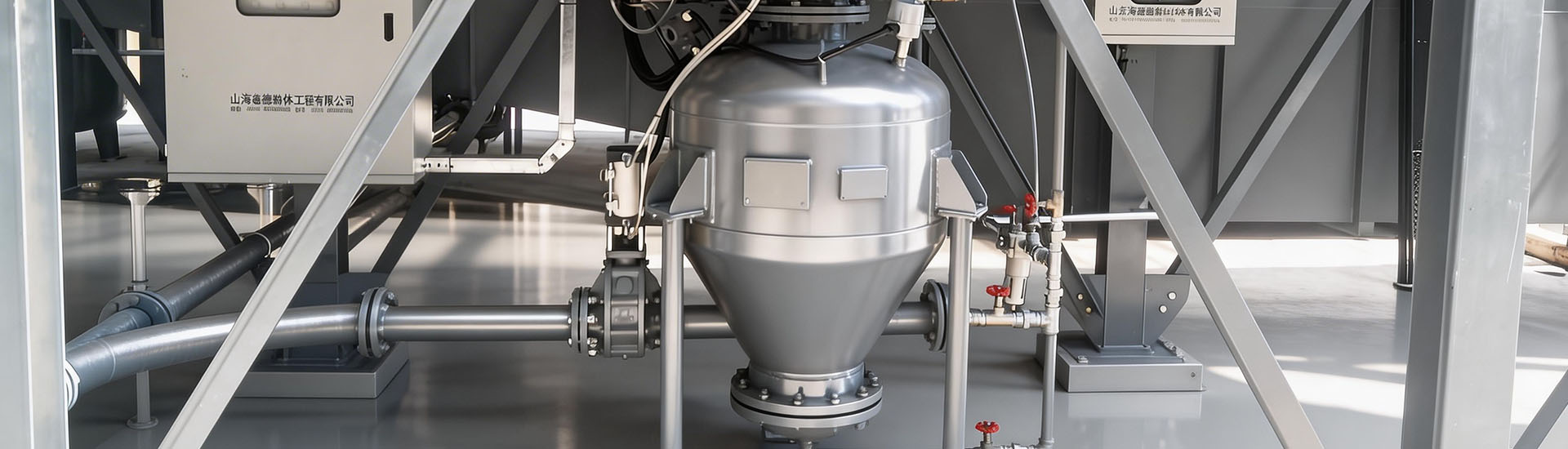
For industries dealing with foam materials—such as expanded polystyrene, foam rubber, or polyurethane foams—choosing the right conveying method is critical. These materials often have low density, are fragile, and may contain moisture or additives, making traditional methods like gravity or mechanical screw conveyors less effective. This article compares common conveying methods for foam, focusing on how Foam Pneumatic Conveying from headpowder addresses these challenges.
Before diving into conveying methods, it's essential to grasp the unique properties of foam materials. Foam products, like insulation boards or packaging peanuts, typically have a low bulk density, often ranging from 10 to 200 kg/m³. This low density makes them prone to air entrapment and easy to compress or break under mechanical stress. Additionally, many foam materials are porous, which can affect how they interact with air or mechanical components. Some foams may also contain binders, adhesives, or moisture, requiring gentle handling to avoid degradation. These characteristics mean that conventional conveying systems, which rely on high pressure or direct contact, may not be suitable. For example, mechanical screw conveyors can cause excessive friction and compression, leading to material degradation or blockages. Gravity systems, on the other hand, are ineffective for low-density materials that don't flow easily under their own weight.

Several methods are used to transport foam materials, each with its own advantages and limitations. The most common include gravity conveyors, mechanical screw or belt conveyors, and pneumatic systems. Gravity systems rely on the material's weight to move it down a slope, but they are only effective for materials with sufficient bulk density and flowability. Mechanical conveyors, such as screw or belt systems, use mechanical force to move materials, but they can cause damage to fragile foam particles. Pneumatic systems, which use air pressure to transport materials, are becoming increasingly popular for foam applications. Among these, Foam Pneumatic Conveying stands out due to its ability to handle low-density, fragile materials without direct contact.
Foam pneumatic conveying systems operate by using air pressure to transport materials through a pipeline. The system typically consists of a blower or compressor, a hopper to feed the foam material, a pipeline network, and a receiver to collect the material at the destination. The process can be either positive pressure (where air pushes the material forward) or negative pressure (where air is drawn through the pipeline, pulling the material along). For foam materials, positive pressure is often preferred because it provides better control over the flow rate and reduces the risk of material degradation. The air velocity in the pipeline is carefully controlled to ensure the foam particles are suspended without being crushed. This method eliminates direct contact between the material and mechanical components, minimizing friction and compression. As a result, foam materials are transported efficiently and with minimal damage.

When compared to mechanical conveyors, Foam Pneumatic Conveying offers significant advantages. Mechanical systems rely on rotating screws or belts to move materials, which can cause foam particles to break or deform due to friction and pressure. In contrast, pneumatic systems use air to lift and move materials, reducing mechanical stress. This is particularly important for delicate foam products, such as foam insulation or packaging materials, where maintaining the material's integrity is crucial. Additionally, Foam Pneumatic Conveying can handle longer distances and more complex routes than mechanical systems. For example, a pneumatic system can transport foam from a production line to a storage silo located several hundred meters away, while a mechanical conveyor would require multiple sections and may encounter blockages. Compared to gravity systems, pneumatic conveying is more versatile, as it can transport materials regardless of their density or flowability. Gravity systems are limited to materials that can flow under their own weight, which is not the case for many low-density foams.
The benefits of Foam Pneumatic Conveying are evident in various industrial applications. In the plastic industry, Foam Pneumatic Conveying is used to transport expanded polystyrene (EPS) beads from the molding machine to the storage silo. The low density of EPS makes it difficult to handle with mechanical systems, but a pneumatic system can efficiently transport it without damage. Similarly, in the rubber industry, foam rubber blocks are conveyed from the cutting machine to the packaging line using Foam Pneumatic Conveying. The system's ability to handle fragile materials ensures that the foam blocks remain intact, reducing waste and improving product quality. Another key benefit is energy efficiency. Pneumatic systems use less energy than mechanical systems, especially for long-distance transport, as they do not require continuous mechanical power. This makes Foam Pneumatic Conveying an environmentally friendly and cost-effective solution for foam material handling.

At headpowder, we specialize in designing and manufacturing Foam Pneumatic Conveying systems tailored to the unique needs of foam materials. Our systems are engineered to handle low-density, fragile materials with minimal damage, ensuring efficient and reliable transport. Whether you need to transport foam from a production line to a storage facility or between different processing stages, our Foam Pneumatic Conveying solutions provide the performance and durability you need. Contact us today to learn more about how our systems can improve your foam material handling processes and reduce operational costs.

 Shandong Haide Powder Engineering Co., Ltd
 156-6277-7102(Manager Zhang)
  0531-83386006
  No. 1 Shanggao Industrial Park, Zhangqiu District, Jinan City, Shandong Province
 telephone
top