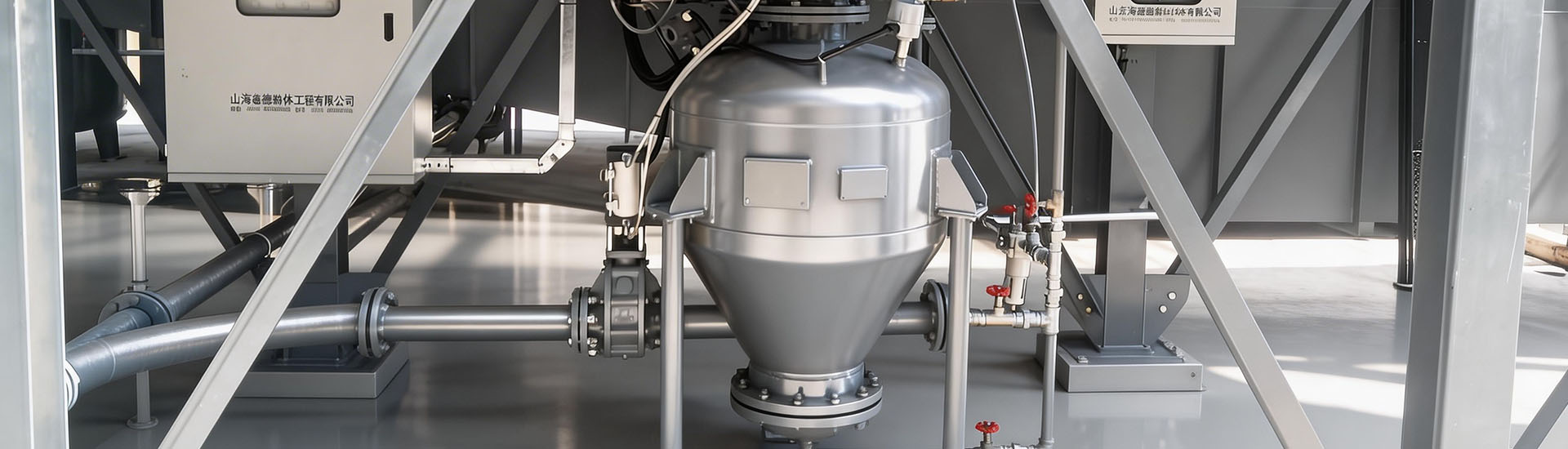
In the photovoltaic industry, monocrystalline silicon powder is a critical raw material for solar cell production. The efficiency and quality of solar panels are directly linked to the purity and uniformity of this powder during processing. However, transporting monocrystalline silicon powder efficiently and safely presents unique challenges due to its fine particle size and potential for dust generation. Choosing the right pneumatic conveying system equipment is therefore a critical decision for manufacturers aiming to optimize production lines and ensure product integrity. This article aims to guide professionals through the key considerations when selecting such equipment, focusing on the specific needs of monocrystalline silicon powder handling.
When evaluating pneumatic conveying systems for monocrystalline silicon powder, several performance indicators are non-negotiable. First, the system must maintain a high level of material purity by minimizing particle attrition and contamination. This is crucial because even minor impurities can significantly impact the final solar cell efficiency. Second, the conveying velocity and pressure stability are vital for ensuring consistent flow rates and preventing blockages in pipelines. Manufacturers should look for systems with adjustable pressure control and efficient filtration mechanisms to maintain these parameters. Third, energy efficiency is another key factor, as pneumatic conveying systems can be power-intensive. Opting for equipment with variable frequency drives (VFDs) and energy recovery systems can reduce operational costs while maintaining performance.

There are primarily two types of pneumatic conveying systems suitable for monocrystalline silicon powder: dilute-phase and dense-phase. Dilute-phase systems use low air velocity to transport particles in a dispersed state, which is ideal for short-distance and low-volume applications. However, they may not be suitable for long-distance or high-volume transport due to potential particle segregation and higher air consumption. Dense-phase systems, on the other hand, use higher air pressure and lower velocity to move particles in a slurry-like state, ensuring better control over flow and reducing the risk of clogging. For monocrystalline silicon powder, which is often handled in large quantities over moderate distances, dense-phase systems are generally preferred as they offer better material handling and lower maintenance requirements. Head powder's pneumatic conveying system equipment, for instance, often incorporates advanced dense-phase technology to handle such demands effectively.
Selecting a reliable manufacturer is as important as choosing the right equipment type. For monocrystalline silicon powder pneumatic conveying systems, manufacturers should demonstrate expertise in handling fine powders and adherence to industry standards. Look for companies with a proven track record in the photovoltaic sector, as they are more likely to understand the specific challenges of monocrystalline silicon processing. Additionally, consider the manufacturer's after-sales support and service capabilities. A good supplier should offer comprehensive technical support, regular maintenance services, and spare parts availability to minimize downtime. Head powder, as a leading manufacturer in this field, provides not only high-quality equipment but also tailored solutions and long-term partnerships, ensuring clients can rely on consistent performance and support.

Many leading solar manufacturers have successfully implemented monocrystalline silicon powder pneumatic conveying systems from Head powder, achieving significant improvements in production efficiency and material quality. For example, a major solar panel producer in Asia reported a 20% reduction in material loss and a 15% increase in throughput after upgrading to a dense-phase conveying system from Head powder. Another client in Europe noted that the system's advanced filtration and pressure control features helped maintain powder purity, leading to higher solar cell conversion efficiency. These case studies highlight the practical benefits of investing in high-quality pneumatic conveying equipment and the importance of selecting a manufacturer with a deep understanding of the industry's needs.

At Head powder, we understand that choosing the right pneumatic conveying system for monocrystalline silicon powder is a critical investment for the long-term success of your solar manufacturing operations. Our team of experts is ready to provide personalized consultations, helping you assess your specific production requirements and recommend the most suitable equipment. Whether you need a new system installation or an upgrade to your existing setup, we offer tailored solutions that ensure optimal performance, reliability, and cost-effectiveness. Contact us today to learn more about how our monocrystalline silicon powder pneumatic conveying system equipment can enhance your production line and drive your business forward.

 Shandong Haide Powder Engineering Co., Ltd
 156-6277-7102(Manager Zhang)
  0531-83386006
  No. 1 Shanggao Industrial Park, Zhangqiu District, Jinan City, Shandong Province
 telephone
top