Aluminum ore powder conveying is a critical component in many industrial processes, spanning from raw material handling to final application. The conventional process typically involves multiple steps, each vital for ensuring efficiency and safety. This article delves into these steps, providing a comprehensive understanding of the bauxite powder conveying process.
Preprocessing is the foundational step in bauxite powder conveying. The raw bauxite ore is first subjected to crushing using industrial crushers, which break down large lumps into smaller particles suitable for further processing. This step is critical as it determines the particle size distribution, which directly impacts the efficiency of subsequent conveying systems. After crushing, a screening or classification process is employed to separate particles into different size fractions. Oversized particles are returned to the crusher for reprocessing, while the desired fine particles are collected for bauxite powder conveying. Head powder's crushing equipment is designed to handle various ore types, ensuring consistent particle size and high throughput.

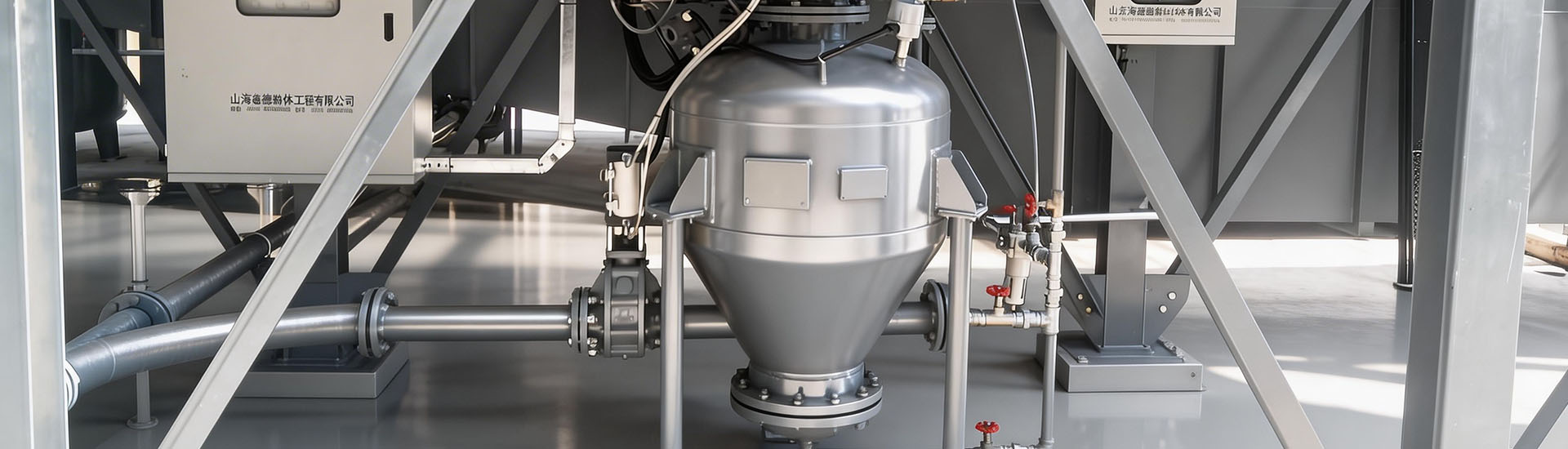
The choice of conveying equipment depends on factors such as the distance to be covered, the required flow rate, and the need for dust control. Two primary types are commonly used: pneumatic conveying systems and mechanical conveying systems. Pneumatic conveying, which uses air pressure to transport powders, is ideal for long-distance or enclosed applications, as it minimizes dust exposure and contamination. Mechanical conveying, like belt conveyors or screw conveyors, is suitable for short to medium distances and high-volume flows. Head powder offers a range of conveying equipment tailored to specific industrial needs, ensuring optimal performance and energy efficiency.
Proper system layout is essential for smooth operation and maintenance. This includes the design of pipeline routes, the placement of valves, and the integration of dust collection systems. A well-designed layout minimizes pressure losses and reduces the risk of blockages. Modern control systems incorporate sensors and automation to monitor key parameters like flow rate, pressure, and temperature in real-time. These systems can automatically adjust settings to maintain optimal performance, enhancing safety and productivity. Head powder's engineering team designs custom layouts that balance space constraints with operational efficiency, ensuring long-term reliability.

Regular maintenance is crucial to keep bauxite powder conveying systems running smoothly. This involves inspecting components for wear and tear, replacing worn parts such as seals and bearings, and cleaning the system to prevent clogging. Data analysis from operational monitoring can also be used to identify areas for optimization, such as adjusting air pressure or conveyor speed to improve efficiency. Head powder provides comprehensive maintenance services, including preventive maintenance plans and on-site support, to minimize downtime and extend the lifespan of the equipment.

If you are seeking reliable solutions for bauxite powder conveying, Head powder stands ready to assist. With our expertise in industrial conveying systems, we offer customized solutions tailored to your specific requirements. Contact our team today to learn more about how we can optimize your bauxite powder transportation process and enhance your overall operational efficiency.

 Shandong Haide Powder Engineering Co., Ltd
 156-6277-7102(Manager Zhang)
  0531-83386006
  No. 1 Shanggao Industrial Park, Zhangqiu District, Jinan City, Shandong Province
 telephone
top