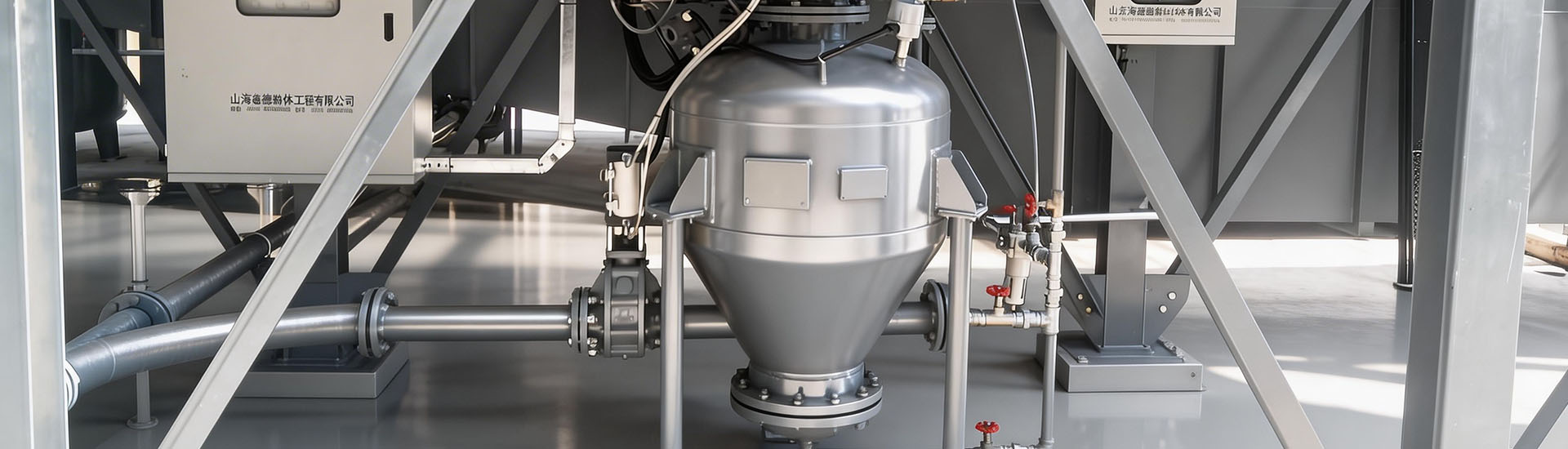
Corundum material conveying plays a pivotal role in various industrial applications, from chemical processing to ceramics manufacturing. For manufacturers specializing in this field, understanding and addressing key factors is crucial to ensure operational efficiency, equipment longevity, and product quality. The challenges posed by corundum's unique properties—such as high hardness, abrasive nature, and fine particle size—require a systematic approach to system design and maintenance. This article explores the critical factors that corundum material conveying manufacturers must consider to deliver reliable and cost-effective solutions.
Corundum, a form of aluminum oxide (Al₂O₃), is renowned for its exceptional hardness and durability, ranking 9 on the Mohs scale. These properties make it a preferred material in abrasive applications but also introduce significant challenges for conveying systems. The high abrasiveness of corundum particles can rapidly wear down traditional metal components, leading to increased maintenance costs and downtime. Manufacturers must first assess the particle size distribution, density, and moisture content of the material, as these factors directly impact the choice of conveyor type. For instance, fine powders may require air-assisted conveying to prevent clogging, while larger chunks might benefit from heavy-duty screw or belt conveyors. Understanding these material characteristics allows manufacturers to select the most suitable equipment and implement appropriate wear-resistant coatings or linings.

The selection of conveying equipment is a critical decision for corundum material manufacturers, as compatibility with the material's properties is paramount. Traditional steel or plastic components are often insufficient for handling corundum, which can cause premature failure. High-performance solutions often involve using materials like hardened steel, ceramic liners, or even specialized alloys designed to withstand abrasive wear. For example, spiral conveyors with ceramic or tungsten carbide liners can effectively transport fine corundum powders without excessive wear. Additionally, the design of the conveyor's internal components, such as the pitch of screws or the width of belts, must be optimized to prevent material buildup and ensure smooth flow. Manufacturers must also consider the impact of corundum's static charge, which can cause dust to accumulate and lead to operational hazards. Implementing anti-static measures, such as grounding or using conductive materials, is essential to maintain safety and system efficiency.
Effective corundum material conveying is not just about moving the material from point A to point B; it's about integrating the system seamlessly into the broader industrial process. Manufacturers need to evaluate how the conveying system interacts with upstream and downstream operations, such as grinding, mixing, or packaging. For instance, in a ceramics production line, the corundum material may need to be conveyed from a storage silo to a mixer, where it is combined with other raw materials. The system must be designed to maintain the material's integrity and prevent contamination during transport. Automation and control systems also play a vital role in optimizing the process. By integrating sensors to monitor flow rates, pressure, and temperature, manufacturers can adjust the conveying speed in real-time, reducing waste and improving product consistency. This level of integration not only enhances operational efficiency but also provides valuable data for process improvement and predictive maintenance.

Corundum dust, while inert, poses health risks and environmental challenges if not managed properly. Manufacturers must prioritize safety by implementing robust dust control measures, such as enclosed systems, local exhaust ventilation, and dust collection equipment. The design of the conveying system should minimize dust exposure to workers and prevent environmental contamination. Compliance with occupational health and safety regulations is non-negotiable, and manufacturers should invest in regular maintenance to ensure that dust extraction systems are functioning correctly. Additionally, the environmental impact of the material's transportation and disposal must be considered. For example, using energy-efficient conveying systems and recycling excess material can reduce the overall carbon footprint. By addressing these safety and environmental factors, manufacturers can build trust with clients and ensure long-term sustainability.

At Head powder, we understand the complexities of corundum material conveying and offer tailored solutions to meet your specific needs. Our expertise in material handling and industrial design ensures that your conveying system is not only efficient but also reliable and safe. Whether you require custom equipment or system integration services, our team of professionals is ready to assist. Contact us today to learn more about how we can optimize your corundum material conveying process and enhance your operational performance.

 Shandong Haide Powder Engineering Co., Ltd
 156-6277-7102(Manager Zhang)
  0531-83386006
  No. 1 Shanggao Industrial Park, Zhangqiu District, Jinan City, Shandong Province
 telephone
top