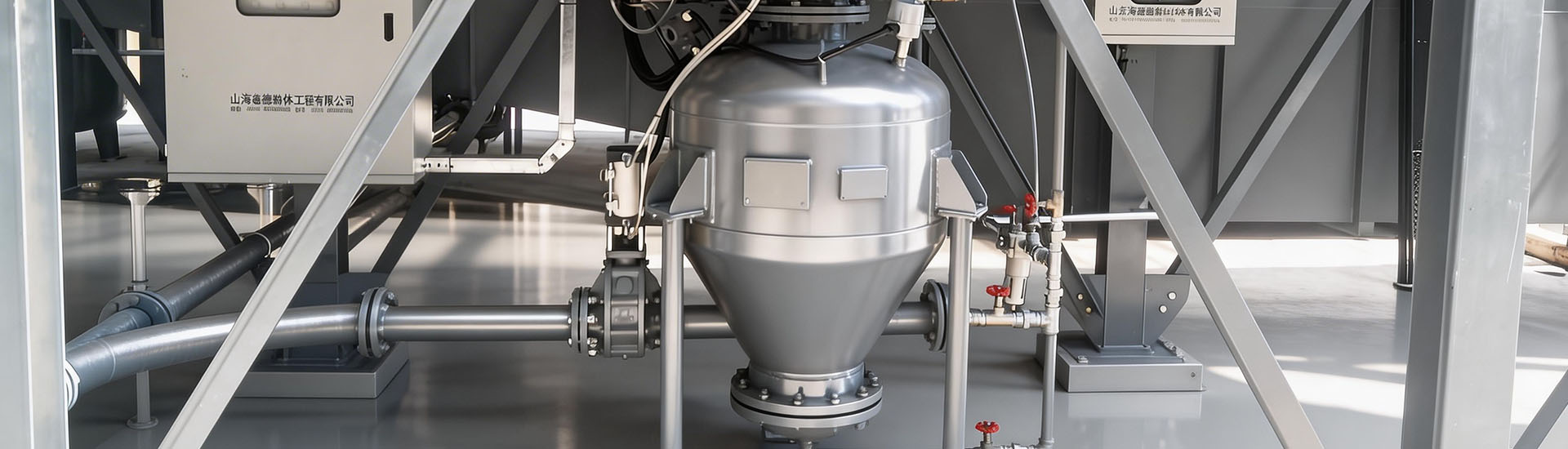
When selecting equipment for pneumatic conveying systems designed for silica materials, several critical factors must be carefully evaluated to ensure optimal performance, efficiency, and long-term reliability. The unique physical characteristics of silica, such as its fine particle size, density, and potential moisture content, significantly impact the design and operation of the system. A well-chosen pneumatic conveying system equipment can enhance material handling processes, reduce downtime, and minimize operational costs, making it essential to address key considerations before making a decision.
Understanding the specific properties of silica materials is the first step in selecting the right pneumatic conveying system equipment. Silica often comes in various forms, including quartz, fumed silica, or precipitated silica, each with distinct particle sizes, shapes, and flowability. For example, fine-grained silica may require a higher air pressure or specialized feeding mechanisms to prevent blockages in the system. The moisture content of the material also plays a role, as excess moisture can affect the material's flowability and increase the risk of clogging. By analyzing these characteristics, you can choose a system that matches the material's behavior, ensuring smooth and consistent transport.

The pressure and flow rate of the pneumatic conveying system are directly related to the distance and height the silica needs to be transported. For short-distance applications, low-pressure systems may suffice, while long-distance or high-rise transport often demands higher pressure levels. The flow rate, measured in cubic meters per hour or pounds per hour, determines the capacity of the system and must align with production needs. Overestimating or underestimating these parameters can lead to inefficient operation or equipment damage. Properly assessing the required pressure and flow rate ensures the system operates within its optimal range, maximizing throughput and minimizing energy consumption.
Choosing the appropriate equipment type and components is crucial for the success of the pneumatic conveying system. Common types include positive pressure systems (where air is blown into the material to push it forward) and negative pressure systems (where air is drawn out to pull the material). For silica materials, positive pressure systems are often preferred due to their ability to handle fine powders and prevent dust emissions. Key components such as rotary valves, feeders, and cyclone separators must be selected based on the material's properties. For instance, a rotary valve with a larger opening may be needed for coarse silica, while a more precise feeder is required for fine powders to maintain consistent flow. The quality and durability of these components directly impact the system's longevity and performance.

Long-term costs, including maintenance and energy consumption, should not be overlooked when selecting pneumatic conveying system equipment. Silica materials can be abrasive, which may lead to faster wear on components like pipes and valves. Choosing high-quality materials for these parts can reduce replacement frequency and lower maintenance costs over time. Additionally, energy-efficient systems, such as those with optimized air compressors or variable speed drives, can significantly reduce operational expenses. A thorough cost-benefit analysis helps in selecting a system that offers the best return on investment, balancing initial costs with long-term savings.
The expertise of the manufacturer and the availability of after-sales support are critical factors, especially when dealing with specialized materials like silica. A reputable supplier like Head powder provides not only high-quality pneumatic conveying system equipment but also technical guidance and customized solutions. They can assist in designing a system tailored to specific production requirements, ensuring compatibility with existing facilities. Moreover, reliable after-sales service, including maintenance contracts and spare parts availability, ensures that any issues are addressed promptly, minimizing downtime. Partnering with a knowledgeable supplier enhances the overall effectiveness of the pneumatic conveying system and provides peace of mind for the user.

At Head powder, we understand the unique challenges of handling silica materials and offer comprehensive solutions to meet your specific needs. Our experienced team can help you evaluate the factors discussed above and recommend the most suitable pneumatic conveying system equipment. Contact us today to learn more about our products and services, and let us help you optimize your material handling processes with reliable and efficient solutions.

 Shandong Haide Powder Engineering Co., Ltd
 156-6277-7102(Manager Zhang)
  0531-83386006
  No. 1 Shanggao Industrial Park, Zhangqiu District, Jinan City, Shandong Province
 telephone
top