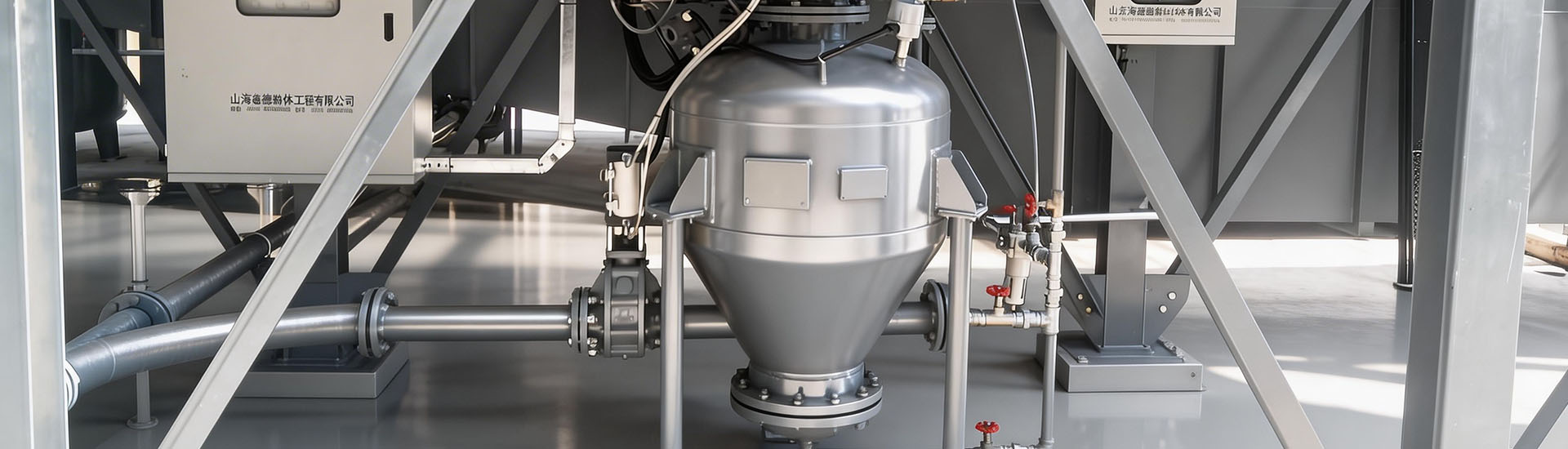
Copper concentrate powder material conveying system equipment plays a pivotal role in the modern mining industry, serving as the backbone for efficient material transport from extraction to processing. The selection and design of such systems directly impact production efficiency, operational costs, and overall safety in copper mining operations. Manufacturers must navigate a complex landscape of technical, economic, and regulatory factors to ensure their equipment meets both current and future industry demands.
The initial step for manufacturers is to analyze the specific process requirements of copper concentrate powder handling. Key parameters include the material's particle size distribution, moisture content, and bulk density, which directly influence the choice of conveying method—such as pneumatic conveying, mechanical screw conveyors, or belt conveyors. For instance, fine copper concentrate powders often require pneumatic systems to prevent blockages and ensure consistent flow, while larger particles may benefit from mechanical systems with robust feeding mechanisms. Additionally, the system's capacity, required conveying distance, and environmental conditions (e.g., temperature, humidity) must be carefully evaluated to avoid operational inefficiencies or equipment failure.

When selecting components like the Copper concentrate powder material conveying system equipment, manufacturers need to align performance with operational goals. High-efficiency pumps, durable hoses, and reliable control systems are critical for maintaining consistent material flow. For example, in pneumatic conveying, the selection of air compressors and filter systems impacts energy consumption and dust control. Mechanical systems may require robust drive motors and wear-resistant liners to handle abrasive copper concentrate particles, reducing maintenance costs over time. Moreover, integrating sensors and monitoring systems can enhance real-time performance tracking, enabling manufacturers to optimize operations and predict maintenance needs proactively.
Modern copper mining operations prioritize both worker safety and environmental compliance. The conveying system must incorporate safety features such as explosion-proof designs for potentially flammable powders, emergency shut-off valves, and dust suppression mechanisms to minimize air pollution. For instance, Head powder's systems often include advanced filtration technologies to capture fine particles, reducing emissions and adhering to regulatory standards. Additionally, ergonomic design and noise reduction features improve workplace safety, aligning with industry best practices and reducing liability risks for manufacturers.

Long-term operational efficiency depends on the system's maintainability and cost-effectiveness. Manufacturers should consider factors like component durability, ease of maintenance, and spare parts availability. High-quality materials, such as corrosion-resistant stainless steel or wear-resistant coatings, extend equipment lifespan and reduce replacement costs. Proactive maintenance schedules, combined with predictive analytics, can identify potential issues before they cause downtime, minimizing operational disruptions. For example, systems with modular designs allow for quick component replacement, reducing downtime and maintenance expenses. This focus on cost management ensures that the equipment remains a viable investment over its service life.
The mining industry is increasingly adopting digital and intelligent technologies to enhance productivity. Manufacturers should consider integrating automation, IoT (Internet of Things), and data analytics into the conveying system. Smart sensors can monitor flow rates, pressure, and temperature in real time, providing data-driven insights to optimize performance. Predictive maintenance algorithms can analyze system data to schedule maintenance, reducing unexpected failures. Additionally, remote monitoring capabilities allow operators to manage the system from a central location, improving efficiency and reducing labor costs. Embracing these technologies not only improves operational performance but also positions manufacturers to meet future industry demands.

Head powder understands that the success of copper concentrate powder material conveying systems depends on a holistic approach to design, performance, and technology. By considering these key factors, manufacturers can select equipment that not only meets current operational needs but also adapts to future challenges. To explore how our tailored solutions can enhance your copper mining operations, contact us today and discover how we can optimize your material handling processes.

 Shandong Haide Powder Engineering Co., Ltd
 156-6277-7102(Manager Zhang)
  0531-83386006
  No. 1 Shanggao Industrial Park, Zhangqiu District, Jinan City, Shandong Province
 telephone
top