In the steel industry, iron ore powder serves as a critical raw material, and the efficiency of its transportation system directly impacts production continuity. Selecting the right iron ore powder material transportation solution is vital for minimizing material loss, reducing safety risks, and controlling long-term operational costs. This article will systematically explore key factors to consider when choosing iron ore powder material transportation, assisting you in making informed decisions.
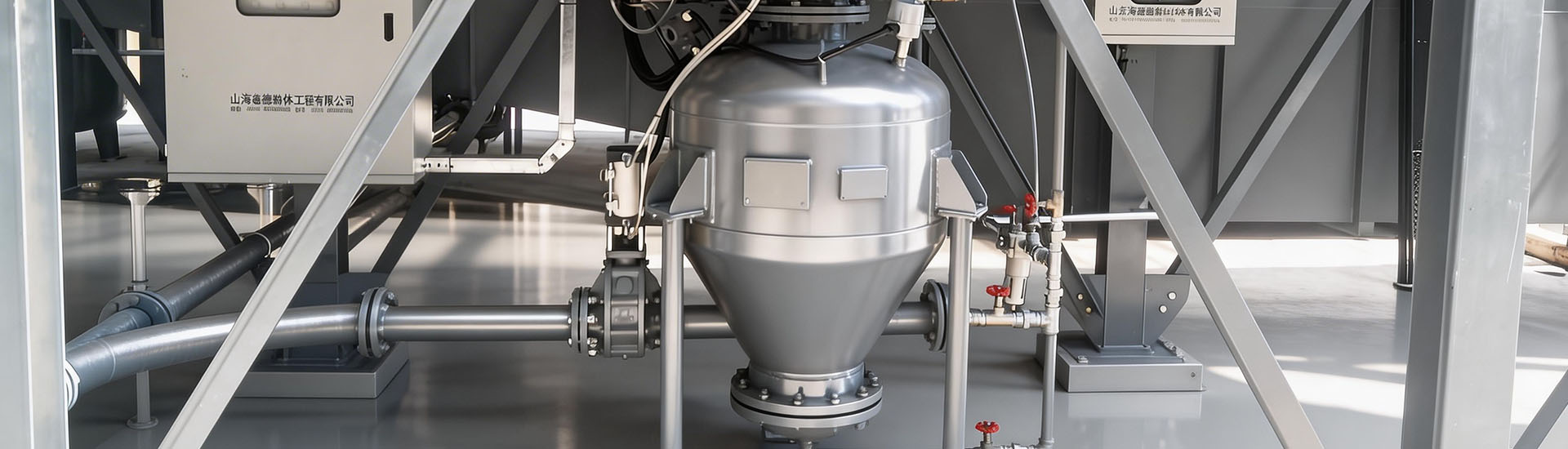
The core goal of iron ore powder material transportation is to achieve high-efficiency, low-loss continuous delivery. Traditional belt conveyors excel in long-distance, high-capacity transport but have limitations in handling fine powders, often leading to blockages or spillage. In contrast, pneumatic conveying systems (positive or negative pressure) offer greater flexibility for fine powders with less manual intervention, though energy consumption and equipment maintenance costs must be considered. Head powder recommends selecting equipment based on specific conditions: for example, belt conveyors may be more economical for long-distance, high-volume mining or factories, while pneumatic systems are better suited for fine, easily airborne materials.

Physical properties of iron ore powder (such as particle size, moisture, and flowability) significantly affect equipment selection. Coarser particles may be better suited for belt conveyors, while fine, high-moisture powders prone to caking require pre-treatment like humidification or crushing before transport. Additionally, material corrosiveness (e.g., acidic dust) demands equipment made of stainless steel or special coatings. Head powder's engineers tailor solutions to actual material characteristics, ensuring equipment long-term stability and reducing faults caused by mismatched material properties.
When selecting iron ore powder material transportation systems, both initial equipment investment and long-term operational costs must be considered. Belt conveyors have lower initial costs but higher maintenance expenses (e.g., belt wear, roller replacement), while pneumatic systems have higher initial costs but lower energy and labor costs. Head powder provides comprehensive cost analysis services, quantifying economic benefits by calculating material throughput, distance, and energy consumption to help clients choose the most cost-effective solution. For example, belt conveyors may suit smaller factories, whereas pneumatic systems could save long-term costs for large mines.

During iron ore powder transport, dust dispersion, equipment vibration, and other factors pose safety risks, while environmental regulations require minimizing pollution. Belt conveyors typically need dust covers and dust collection systems; pneumatic systems require sealed structures to prevent dust leakage. Head powder's equipment meets international safety standards (e.g., CE certification) and environmental requirements (e.g., ISO 14001), with intelligent monitoring systems for real-time equipment status and dust emission monitoring. Additionally, equipment design includes explosion-proof measures (e.g., explosion-proof motors, fire-resistant materials) for flammable powders.
As production scales expand or processes adjust, iron ore powder transportation systems need scalability and flexibility. Head powder's solutions often use modular designs, allowing capacity increases or route adjustments without equipment idle or high modification costs. For example, adding conveyor length, upgrading pneumatic systems, or adding buffer hoppers can accommodate increased output. Smart control systems (PLC control, automated monitoring) enable remote operation and fault alerts, enhancing system flexibility and response speed, ensuring rapid adaptation to new production needs.

Selecting an appropriate iron ore powder material transportation solution requires balancing efficiency, cost, safety, and future scalability. Head powder, as a professional iron ore powder material transportation manufacturer, offers rich industry experience and customized solutions, providing comprehensive services from equipment selection to system implementation. If you face challenges with iron ore powder transportation, contact Head powder. Our professional team will tailor efficient, reliable transportation solutions to optimize your production process. Contact us now for exclusive solutions!

 Shandong Haide Powder Engineering Co., Ltd
 156-6277-7102(Manager Zhang)
  0531-83386006
  No. 1 Shanggao Industrial Park, Zhangqiu District, Jinan City, Shandong Province
 telephone
top