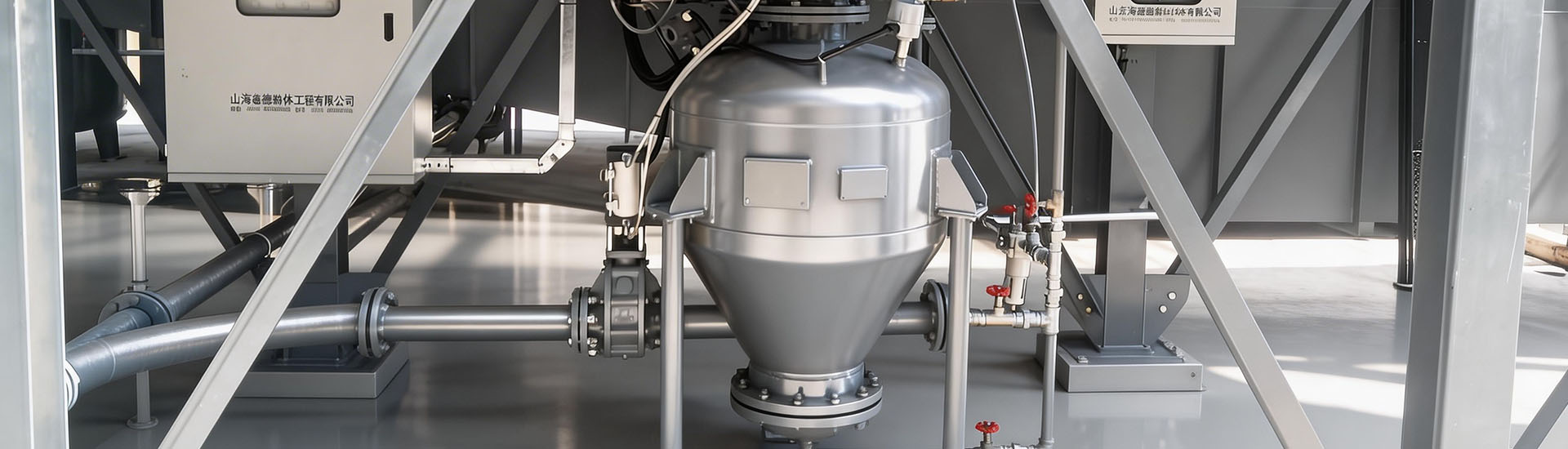
When it comes to industrial material handling, the choice of a reliable cellulose delivery system is pivotal. Whether you're processing wood pulp, paper fibers, or other cellulose-based materials, selecting the right system can significantly impact efficiency, cost, and product quality. In this guide, we'll explore key considerations and factors that help you make an informed decision when choosing a cellulose delivery solution.
Before diving into system selection, it's crucial to understand the specific properties of your cellulose material. Factors such as moisture content, particle size distribution, and bulk density directly influence the type of delivery system needed. For instance, wet wood pulp often requires systems with robust sealing and moisture control, while dry paper fibers might benefit from systems optimized for low friction and minimal degradation. By accurately characterizing your material, you can narrow down the suitable options and avoid costly mistakes.

Cellulose delivery systems come in various forms, including pneumatic conveyors, screw conveyors, and vacuum systems. Each type has its own advantages and limitations. Pneumatic conveyors, for example, are ideal for high-volume, long-distance transport but may not be suitable for abrasive materials. Screw conveyors, on the other hand, offer reliable, low-maintenance operation for bulk materials but can be less efficient in handling fine powders. Understanding the components—such as the hopper design, feed mechanisms, and discharge systems—is essential to ensure the system matches your operational needs.
When evaluating cellulose delivery systems, several performance metrics should be prioritized. Throughput capacity, which measures the volume of material moved per hour, is a critical factor for high-demand applications. Additionally, energy consumption and operational costs play a significant role in long-term efficiency. The system's ability to maintain material integrity, minimize dust generation, and ensure consistent flow also impacts overall performance. By focusing on these metrics, you can select a system that not only meets current requirements but also scales with future production needs.

Partnering with a reputable manufacturer like Head Powder can make a substantial difference in your cellulose delivery system's success. Experienced manufacturers provide tailored solutions, backed by rigorous testing and customization options. They often offer comprehensive support, including installation, maintenance, and after-sales service, ensuring your system operates at peak performance. When selecting a manufacturer, look for certifications, industry experience, and a proven track record of delivering reliable, efficient systems. A good manufacturer will work closely with you to understand your unique challenges and provide solutions that address them effectively.

Choosing the right cellulose delivery system is a strategic decision that impacts your operational efficiency and long-term success. By considering material characteristics, system types, performance metrics, and manufacturer expertise, you can select a solution that optimizes your processes and delivers reliable results. For more insights or to explore how Head Powder's cellulose delivery systems can meet your specific needs, contact us today and let's discuss how we can enhance your material handling capabilities.

 Shandong Haide Powder Engineering Co., Ltd
 156-6277-7102(Manager Zhang)
  0531-83386006
  No. 1 Shanggao Industrial Park, Zhangqiu District, Jinan City, Shandong Province
 telephone
top