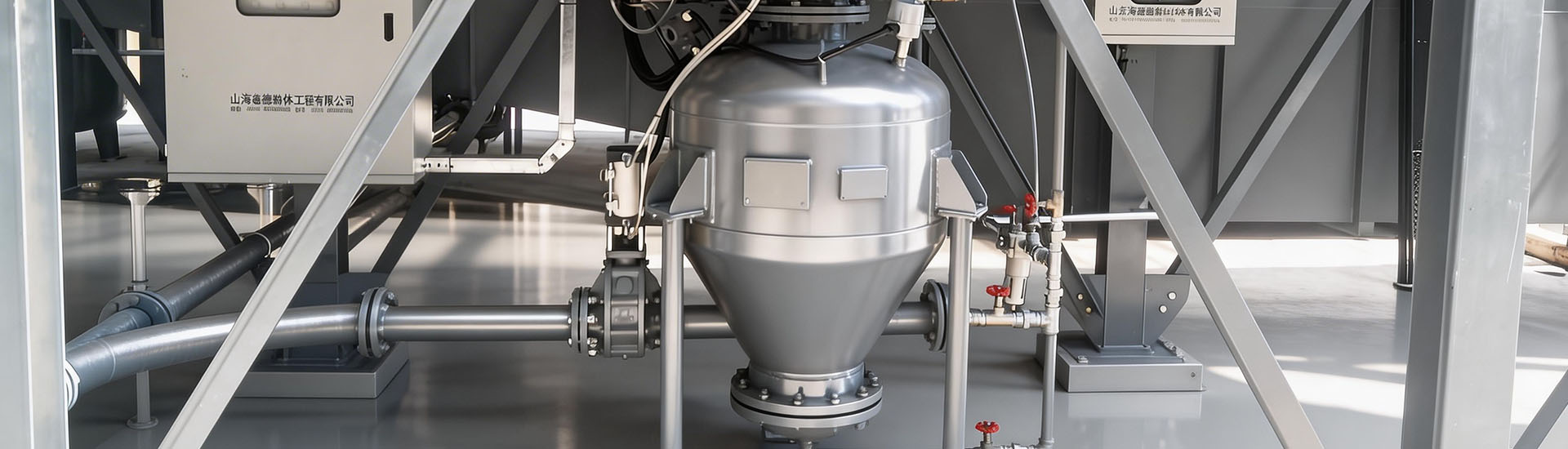
Catalyst materials are the cornerstone of modern chemical and petrochemical industries, enabling efficient reactions and processes. However, the pneumatic conveying of these materials presents unique challenges for manufacturers. From material properties to system design, a range of critical factors must be carefully evaluated to ensure optimal performance, safety, and cost-effectiveness. This article explores the key considerations that pneumatic conveying manufacturers of catalyst materials should prioritize.
Catalyst materials vary widely in their physical and chemical properties, directly impacting the design of pneumatic conveying systems. For instance, some catalysts may exhibit high viscosity, tendency to agglomerate, or even flammability, requiring specialized handling strategies. Manufacturers must first analyze parameters such as particle size, density, flowability, and potential reactivity. For example, Head powder specializes in systems tailored to handle such diverse characteristics, ensuring reliable transport without degradation or contamination.

The design of pneumatic conveying systems demands precise control over pressure and flow rate. For catalyst materials, both positive and negative pressure systems are utilized, depending on material properties and transport distance. Manufacturers need to consider factors like pipe diameter, number of bends, valve types, and air source pressure. For instance, pressure fluctuations can lead to material deposition or equipment wear, making pressure stability critical. Head powder's expertise in customizing pressure management solutions ensures consistent material flow and minimal downtime.
Pneumatic conveying of catalyst materials involves inherent safety risks, such as dust explosions or leaks. Manufacturers must adhere to stringent safety standards and environmental regulations. For example, systems need to be equipped with explosion-proof components, dust collection systems, and leak detection mechanisms. Additionally, materials may have environmental impacts, necessitating recycling or disposal measures. Head powder complies with strict safety protocols and environmental standards, providing peace of mind for clients.

The operational costs of pneumatic conveying systems are significant, prompting manufacturers to focus on energy efficiency and cost control. For example, selecting efficient air source equipment, optimizing pipe layouts to reduce pressure loss, and implementing variable frequency drives can enhance energy savings. Furthermore, the maintenance costs of the system must be evaluated, with regular inspections and component replacements lowering long-term expenses. Head powder offers energy-efficient solutions that reduce operational expenses while maintaining high performance.

Head powder understands the complexities of pneumatic conveying for catalyst materials. Our team of experts provides customized solutions, from system design to installation and maintenance, ensuring your process runs smoothly and efficiently. Contact us today to learn how our advanced technologies can enhance your catalyst material handling capabilities.

 Shandong Haide Powder Engineering Co., Ltd
 156-6277-7102(Manager Zhang)
  0531-83386006
  No. 1 Shanggao Industrial Park, Zhangqiu District, Jinan City, Shandong Province
 telephone
top