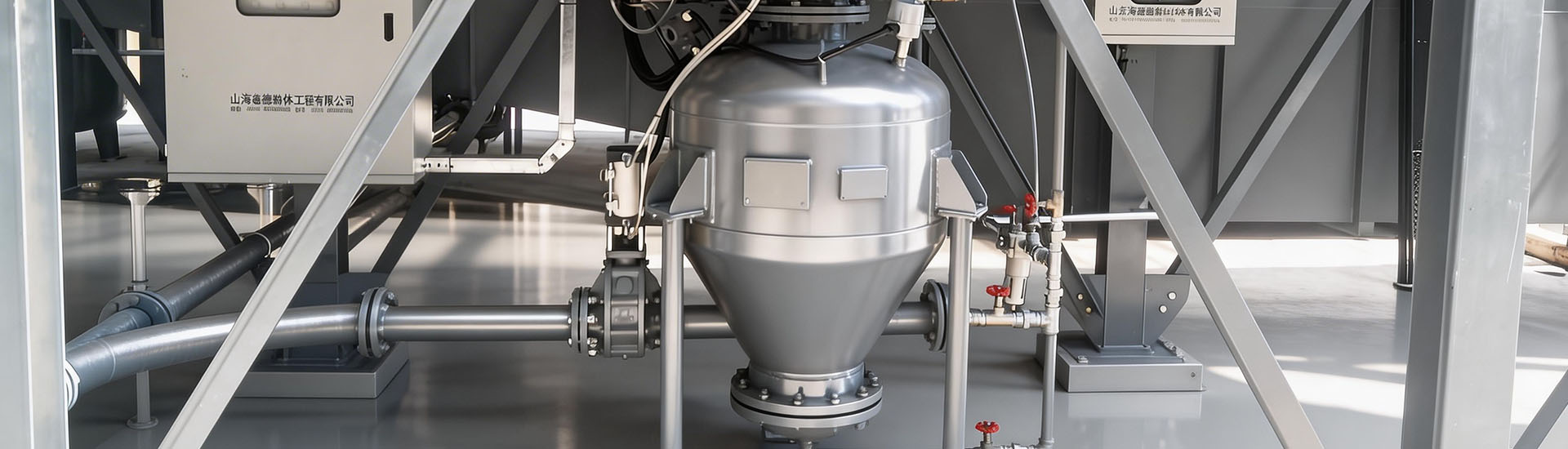
Iron filings pneumatic conveying is a critical process in many industrial applications, and the success of such systems hinges on careful consideration of multiple factors. Manufacturers must navigate a range of technical and operational aspects to ensure efficient, reliable, and cost-effective iron powder transport. From equipment design to material selection, each element plays a pivotal role in the overall performance of the system.
The first critical factor for iron filings pneumatic conveying manufacturers is the selection of appropriate equipment and system design. The choice of pneumatic conveying system—such as dilute-phase or dense-phase—depends heavily on the characteristics of the iron filings, including particle size, density, and moisture content. For fine iron powders, dilute-phase systems often provide better efficiency, while dense-phase systems may be more suitable for larger particles or when high pressure is required. Additionally, the layout of the pipeline network, including the placement of valves, bends, and filters, directly impacts the system's performance and maintenance needs.

Another key consideration is the selection of materials to withstand the abrasive nature of iron filings. Iron powders can cause significant wear on pipes, elbows, and other components, leading to increased maintenance costs and system downtime. Manufacturers must prioritize materials with high wear resistance, such as stainless steel, high-chrome alloys, or specialized coatings. For example, Head powder's pneumatic conveying systems often use corrosion-resistant stainless steel for the main pipeline, combined with wear-resistant liners in high-stress areas, to extend the system's lifespan and reduce operational costs.
Proactive maintenance and effective fault diagnosis are essential for maintaining the reliability of iron filings pneumatic conveying systems. Regular inspections of filters, pressure sensors, and motor components help identify potential issues before they escalate. Manufacturers should also invest in monitoring systems that track pressure, flow rate, and temperature in real time. This data-driven approach allows for timely adjustments and reduces the risk of system failures. Additionally, training operators on proper maintenance procedures ensures that the system operates at peak efficiency and minimizes downtime.

Finally, manufacturers must conduct a thorough cost-benefit analysis to balance initial investment with long-term operational costs. While high-quality equipment may have a higher upfront cost, it often leads to lower maintenance expenses and higher efficiency over time. Energy efficiency is also a critical factor, as pneumatic conveying systems can consume significant power. Choosing energy-efficient fans and optimizing the system's pressure and flow rates can reduce energy consumption and lower operational costs. By considering these factors, manufacturers can develop iron filings pneumatic conveying systems that are both effective and economically viable.

At Head powder, we understand the complexities of iron filings pneumatic conveying and offer tailored solutions to meet your specific needs. Our expertise in equipment design, material selection, and system maintenance ensures that your iron powder transport processes are optimized for efficiency and reliability. Whether you're looking to upgrade an existing system or design a new one, we provide comprehensive support to help you achieve your goals. Contact us today to learn more about how our pneumatic conveying solutions can enhance your industrial operations.

 Shandong Haide Powder Engineering Co., Ltd
 156-6277-7102(Manager Zhang)
  0531-83386006
  No. 1 Shanggao Industrial Park, Zhangqiu District, Jinan City, Shandong Province
 telephone
top