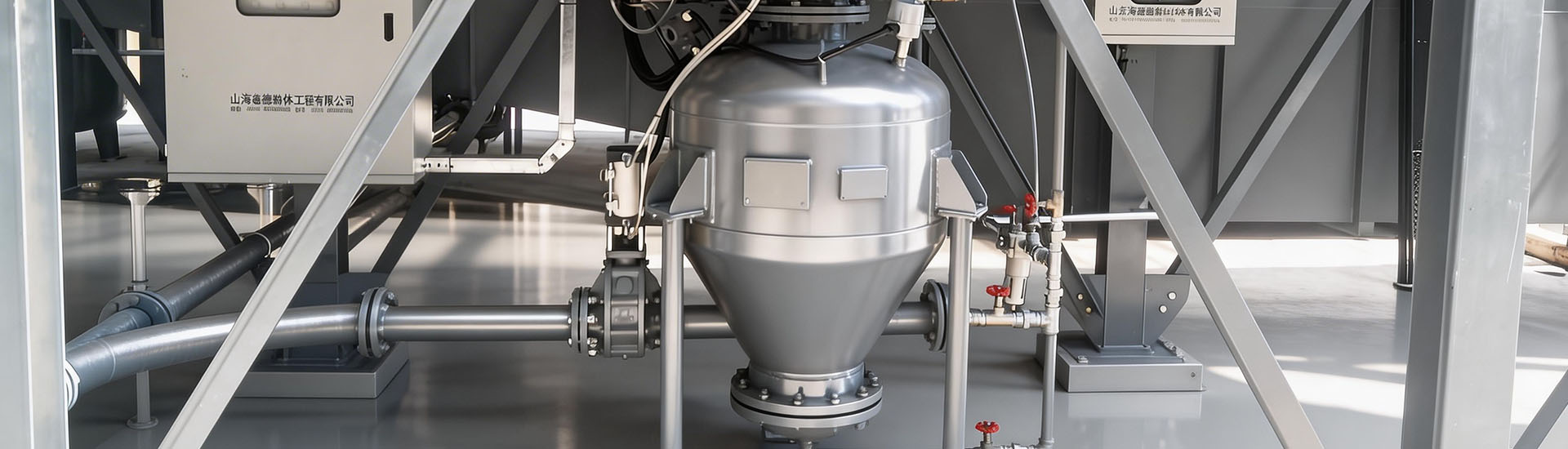
The conventional process of cement raw material powder transportation is a critical and intricate system within the cement production industry, serving as the backbone that ensures raw materials are efficiently and reliably moved from storage to processing units. This process, integral to the overall efficiency of cement manufacturing, involves a series of steps that require precise control and specialized equipment. Understanding these steps is essential for optimizing production lines and maintaining high-quality output, making it a key area of focus for manufacturers and operators alike.
At the outset of the cement raw material powder transportation process, the initial preparation phase focuses on the storage and handling of raw materials such as limestone, clay, and iron ore. These materials are typically stored in large silos or stockpiles, where they are kept under controlled conditions to prevent moisture absorption and degradation. The storage facilities are designed to accommodate bulk quantities, ensuring a steady supply for the production line. During this stage, raw materials may undergo preliminary screening or blending to achieve the desired chemical composition, a crucial step that sets the foundation for subsequent processing.

The primary conveying stage involves the movement of raw materials from storage to the pre-processing units, where they are further prepared for grinding. This often employs mechanical or pneumatic conveying systems, with the choice depending on the material properties and production scale. Mechanical conveyors, such as belt conveyors or bucket elevators, are commonly used for bulk materials, while pneumatic systems, including positive pressure or negative pressure air slides, are ideal for fine powders. The pre-processing step may include crushing, grinding, or drying to reduce particle size and improve flow characteristics, preparing the materials for the next stage of transportation.
Following the primary conveying, the secondary conveying stage focuses on transporting the pre-processed materials to the grinding mills or kilns. This phase often utilizes more specialized equipment, such as high-capacity air slides or rotary valves, to handle fine powders with high precision. The goal is to ensure minimal material loss and consistent flow rates, which are vital for maintaining the efficiency of the grinding process. Additionally, this stage may involve additional blending or quality checks to ensure the raw materials meet the required specifications before entering the final processing units.

The final handling and quality control phase is the concluding step in the cement raw material powder transportation process. Here, materials are transferred to the cement kiln or storage silos, where they will be further processed into clinker. This stage emphasizes the importance of accurate measurement and control, as precise dosing is critical for achieving the desired cement composition. Quality control measures, including sampling and analysis, are implemented to verify that the raw materials meet the required standards, ensuring the final product's quality and consistency. The efficient execution of this step directly impacts the overall performance and reliability of the cement production line.

For businesses seeking to enhance their cement raw material powder transportation systems, understanding these conventional process steps is just the beginning. Head powder, as a leading manufacturer of specialized conveying equipment, offers tailored solutions to optimize each stage of the process. Our expertise in designing and implementing efficient powder handling systems can help improve production efficiency, reduce costs, and ensure high-quality output. To learn more about how our products can benefit your operations, contact us today and take the first step toward optimizing your cement production line.

 Shandong Haide Powder Engineering Co., Ltd
 156-6277-7102(Manager Zhang)
  0531-83386006
  No. 1 Shanggao Industrial Park, Zhangqiu District, Jinan City, Shandong Province
 telephone
top