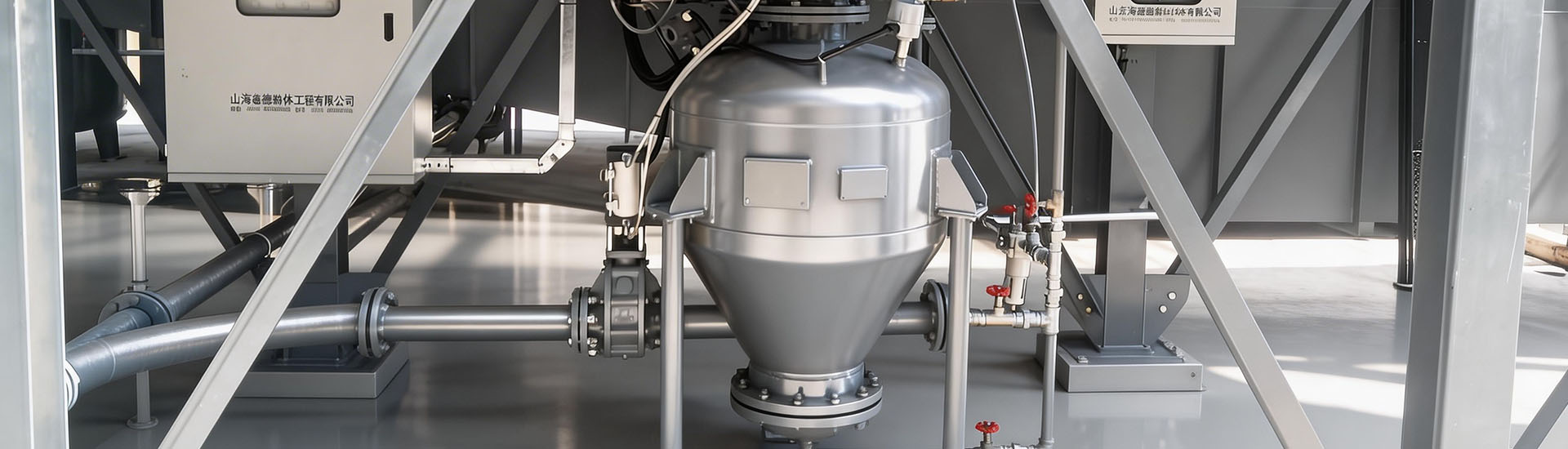
When selecting a Sodium carbonate material conveying system equipment, a systematic approach is crucial to ensure efficiency, safety, and cost-effectiveness. The process involves understanding the unique properties of sodium carbonate, such as its chemical stability and bulk handling characteristics, and matching them with the right equipment design. This article outlines the general steps to guide professionals in making informed decisions, from initial assessment to final implementation.
Before choosing any conveying equipment, it's essential to evaluate the physical and chemical properties of sodium carbonate. This includes its particle size distribution, moisture content, and flowability, as these factors directly impact the selection of conveyor types like belt conveyors, screw conveyors, or pneumatic systems. For instance, if the material is fine and dusty, a dust-tight screw conveyor or a sealed pneumatic conveyor might be more suitable to prevent contamination and ensure safe operation.

Performance metrics such as capacity, speed, and energy efficiency are critical when selecting Sodium carbonate material conveying system equipment. Manufacturers like Head powder offer advanced solutions with high throughput rates and low maintenance requirements. For example, their customized belt conveyors can handle large volumes of sodium carbonate while maintaining consistent speed and minimal downtime. Additionally, considering the equipment's durability under harsh chemical environments is vital, as sodium carbonate can be abrasive and corrosive to certain materials, making stainless steel or special coatings essential.
Modern conveying systems often require integration with other industrial processes, such as storage silos, feeding mechanisms, and control panels. The selection process should account for how the Sodium carbonate material conveying system equipment will interact with existing infrastructure. Scalability is another key factor—choosing equipment that can be expanded or upgraded as production needs grow. Head powder's modular designs allow for easy integration and future modifications, ensuring long-term investment value.

While initial purchase cost is a factor, the total cost of ownership (TCO) over the equipment's lifespan is more important. This includes maintenance, energy consumption, and replacement parts. High-quality Sodium carbonate material conveying system equipment from reputable manufacturers, like Head powder, often has lower maintenance costs due to robust construction and reliable components. Regular maintenance schedules and access to spare parts can significantly extend the equipment's operational life, reducing overall expenses.

At Head powder, we specialize in designing and manufacturing tailored Sodium carbonate material conveying system equipment to meet the unique demands of various industries. Our team of experts works closely with clients to assess their specific needs, providing customized solutions that enhance productivity and safety. To learn more about how our equipment can optimize your sodium carbonate handling processes, contact us today for a free consultation and product demonstration.

 Shandong Haide Powder Engineering Co., Ltd
 156-6277-7102(Manager Zhang)
  0531-83386006
  No. 1 Shanggao Industrial Park, Zhangqiu District, Jinan City, Shandong Province
 telephone
top