

[Negative Pressure Suction Type Powder Conveying System: An Introduction to Its Structure and Workin
HeadPowder, a leading enterprise in the field of powder handling technology, specializes in the design, manufacturing, and supply of advanced powder conveying systems. Based in Shandong, China, the company has established itself as a reliable partner for industries requiring efficient and reliable powder transport solutions. This article provides an overview of the negative pressure suction type powder conveying system, detailing its structural components and operational principles.
Understanding the Negative Pressure Suction Type Powder Conveying System
The negative pressure suction type powder conveying system is a sophisticated solution designed to transport bulk powders from a source to a destination under negative pressure conditions. This method is particularly advantageous for applications where dust control, material containment, and precise flow control are critical. The system operates by creating a vacuum at the intake point, drawing the powder into the conveying line and transporting it to the discharge point. This approach minimizes material spillage and reduces the risk of dust contamination, making it suitable for a wide range of industrial applications, including pharmaceuticals, food processing, and chemical manufacturing.
Key Structural Components of the System
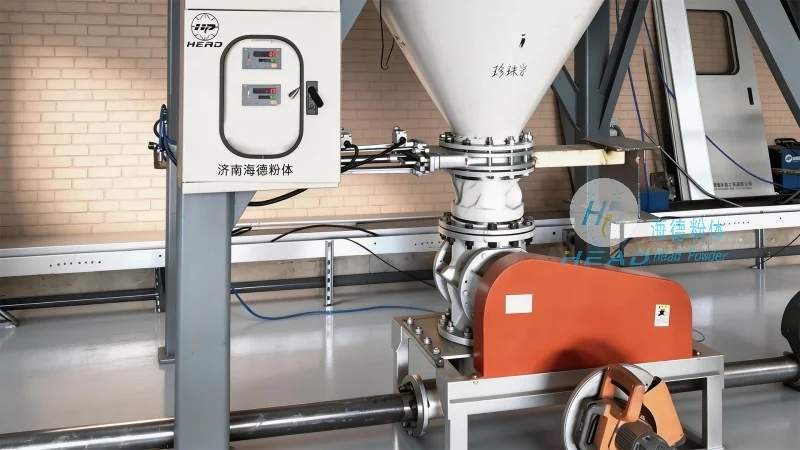
The negative pressure suction type powder conveying system comprises several essential components that work in tandem to ensure efficient operation. The primary components include the suction unit, conveying line, material hopper, and discharge valve. The suction unit, often a centrifugal fan or a dedicated vacuum pump, generates the necessary negative pressure to draw the powder. The conveying line, typically made of flexible or rigid materials such as PVC or stainless steel, is designed to withstand the pressure differentials and material abrasion. The material hopper, or feed hopper, is where the bulk powder is stored before being drawn into the system. It is equipped with a feeder mechanism, such as a rotary valve or a screw feeder, to control the flow rate of the powder. The discharge valve, located at the receiving end, regulates the release of the powder into the target container or processing equipment.
Working Principle: How the System Operates
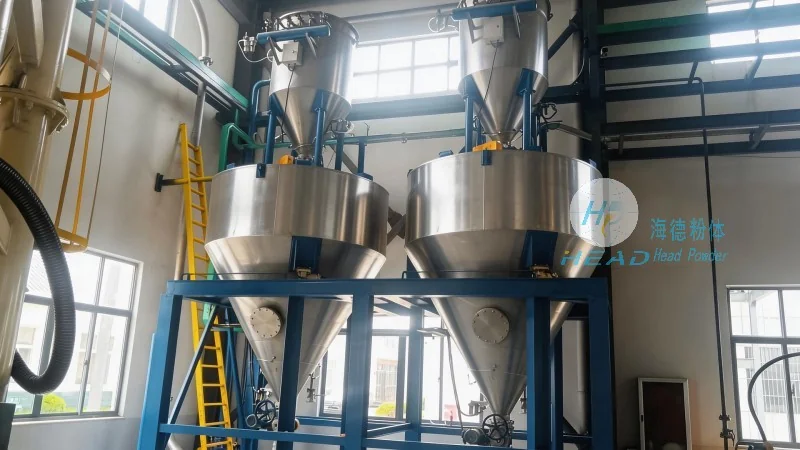
The operation of the negative pressure suction type powder conveying system follows a systematic process. Initially, the bulk powder is loaded into the material hopper. The feeder mechanism then starts, allowing a controlled amount of powder to fall into the suction unit's intake. As the suction unit operates, it creates a vacuum, drawing the powder from the hopper into the conveying line. The powder travels through the line under negative pressure, maintaining a consistent flow rate. At the discharge end, the powder is released into the receiving vessel or processing equipment. The system's control panel allows operators to adjust the suction pressure, flow rate, and other parameters to optimize performance based on the specific material characteristics and application requirements.
Advantages of the Negative Pressure Suction Type System
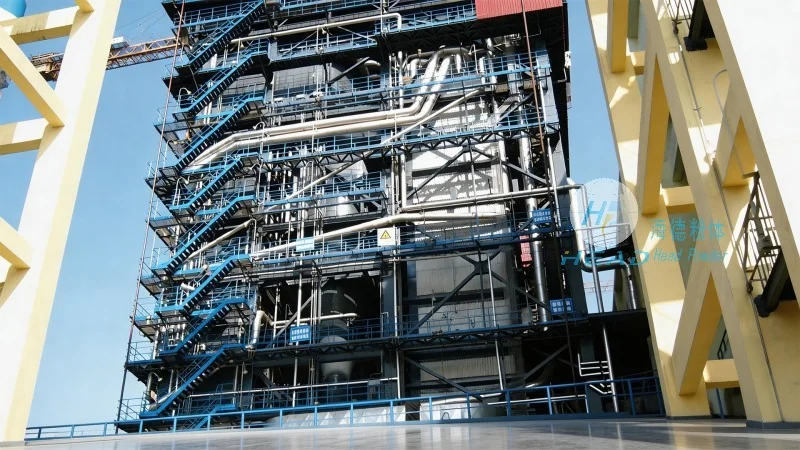
Compared to positive pressure conveying systems, the negative pressure suction type offers several key advantages. Firstly, it provides superior dust containment, as the entire system operates under a vacuum, preventing dust particles from escaping into the environment. This is crucial for industries where air quality and material purity are paramount. Secondly, the system is more energy-efficient, as it requires less power to maintain the vacuum compared to generating high pressure. Additionally, the negative pressure method reduces the risk of material degradation due to friction and heat, which can occur in high-pressure systems. The flexibility of the conveying line also allows for more versatile layout designs, enabling the system to be adapted to various plant configurations without significant modifications.
Applications and Industries
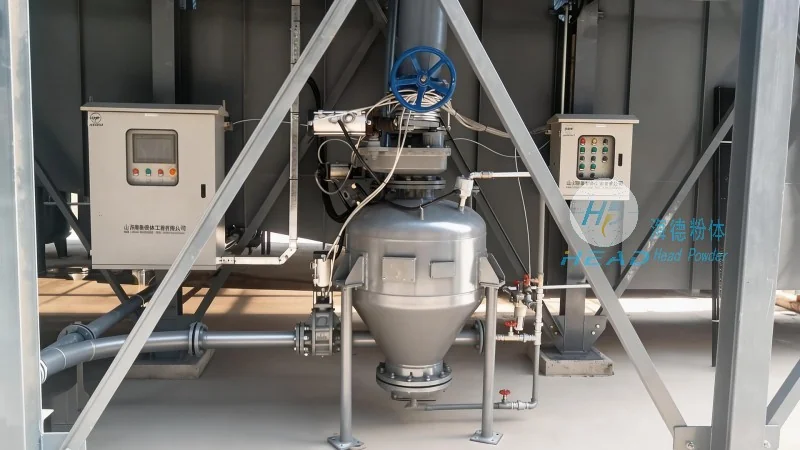
The negative pressure suction type powder conveying system is widely used across multiple industries due to its versatility and effectiveness. In the pharmaceutical industry, it is employed for transporting active pharmaceutical ingredients (APIs) and excipients, ensuring strict contamination control and compliance with regulatory standards. The food processing sector utilizes this system for conveying powders like flour, sugar, and spices, maintaining hygiene and preventing cross-contamination. In chemical manufacturing, the system is ideal for handling hazardous powders, as it minimizes the risk of exposure to workers and the environment. Other applications include the handling of minerals, plastics, and other bulk materials in various processing plants.
Conclusion
HeadPowder's negative pressure suction type powder conveying system represents a cutting-edge solution for efficient and reliable bulk powder transport. By understanding its structural components and operational principles, industries can leverage this technology to enhance productivity, improve safety, and maintain high standards of material quality. With its advantages in dust control, energy efficiency, and flexibility, the system continues to be a preferred choice for modern powder handling applications. Based in Shandong, China, HeadPowder remains committed to providing innovative and reliable solutions tailored to the evolving needs of the powder handling industry.