

Introduction to Poultry Feather Pneumatic Conveying System Equipment and Structural Principles
HeadPowder, a leading manufacturer in the field of pneumatic conveying systems, specializes in providing advanced solutions for handling delicate materials such as poultry feathers. This article introduces the key equipment components and the underlying structural principles of the poultry feather pneumatic conveying system, offering a comprehensive overview for industry professionals and potential clients.
Company Overview and Core Expertise
Shandong HeadPowder Engineering Co., Ltd., operating under the brand name HeadPowder, is dedicated to developing and manufacturing high-efficiency pneumatic conveying equipment tailored for various industrial applications. With a focus on precision and reliability, the company has established itself as a trusted partner in material handling solutions. The company’s headquarters is located in Shandong, China, where its research and development team continuously innovates to meet evolving industry demands.
Key Equipment Components of the Poultry Feather Pneumatic Conveying System
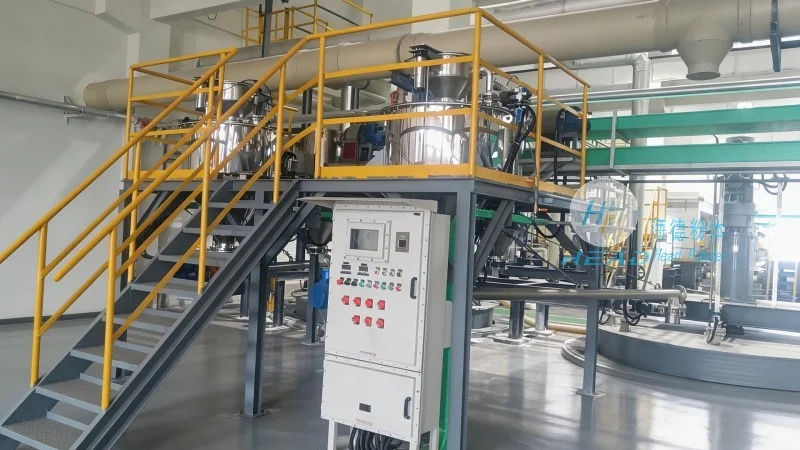
The poultry feather pneumatic conveying system is a sophisticated assembly of components designed to efficiently transport feathers from source points to processing or storage facilities. The primary equipment includes the following critical elements:
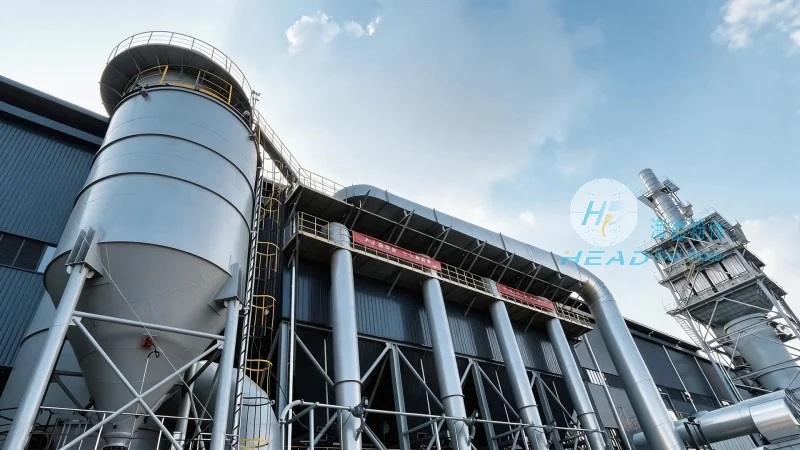
- Feeder Unit: This component is responsible for uniformly feeding feathers into the conveying system. It ensures a consistent flow rate, preventing blockages and maintaining system efficiency. The feeder is typically equipped with adjustable speed controls to adapt to varying material conditions.
- Pneumatic Conveying Pipe: The main transport channel where compressed air or gas is used to move feathers. The pipe is constructed from durable materials, such as stainless steel or high-quality plastic, to withstand the abrasive nature of feathers and ensure long-term performance. The design of the pipe, including bends and elbows, is optimized to minimize pressure loss and maintain material velocity.
- Compressor and Air Treatment System: This unit generates the necessary air pressure to drive the conveying process. It includes components like air filters, dryers, and regulators to ensure the air quality is suitable for handling delicate materials. The compressor is selected based on the system’s required flow rate and pressure, providing consistent power to the conveying line.
- Receiver and Discharge Unit: The final component where feathers are deposited after transportation. The receiver is designed to handle the material gently, preventing damage or loss. It may include features like vibration screens or air curtains to separate any residual air from the material before discharge.
Structural Principles and Working Mechanism
The structural principles of the poultry feather pneumatic conveying system are centered on the use of air as the primary medium for material transport. The system operates on the principle of fluidization, where compressed air creates a low-density environment that allows feathers to be suspended and moved through the pipe. The key working mechanism involves the following steps:
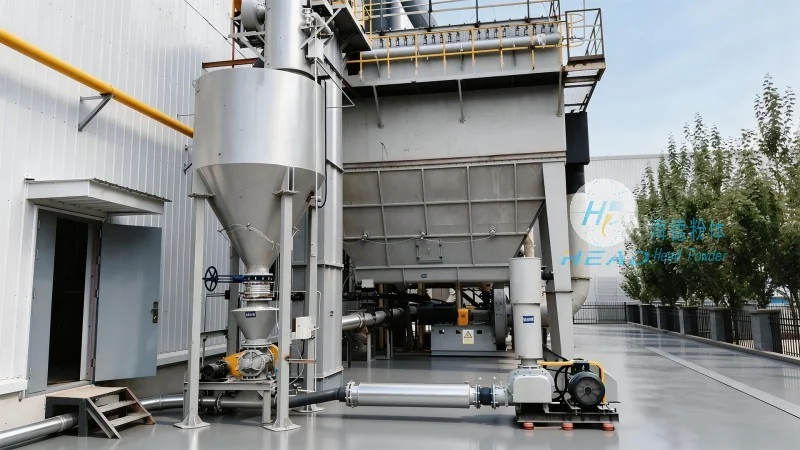
- Material Intake: Feathers are fed into the system via the feeder unit, where they are introduced into the conveying pipe.
- Air Injection: Compressed air is introduced into the pipe, creating a flow that lifts and propels the feathers. The air velocity is maintained at a level sufficient to keep the material in suspension, preventing settling or clogging.
- Transportation: The feathers travel through the pipe, guided by the air flow. The pipe’s design, including bends and changes in direction, is engineered to minimize energy loss and maintain the material’s velocity.
- Deposition: Upon reaching the receiver, the air flow slows down, allowing the feathers to settle and be discharged. The receiver may include additional processing steps, such as screening or air separation, to ensure the material is clean and free from contaminants.
Advantages and Applications
The poultry feather pneumatic conveying system offers several advantages over traditional material handling methods, making it ideal for industries dealing with delicate or lightweight materials like feathers. These benefits include:
- Efficiency and Speed: The system provides rapid and continuous transportation of feathers, reducing handling time and increasing overall production efficiency.
- Low Maintenance: The design minimizes mechanical parts in contact with the material, reducing wear and tear and lowering maintenance requirements.
- Space Efficiency: The pneumatic system can be installed in compact spaces, making it suitable for facilities with limited room for material handling equipment.
- Hygienic Handling: The enclosed system prevents contamination from external sources, ensuring the feathers remain clean and suitable for processing.
Applications of this system are widespread in the poultry processing industry, where feathers are collected from plucking lines and transported to storage or further processing facilities. The system is also applicable in other industries dealing with similar lightweight, delicate materials, such as textile or agricultural processing.