

High-Alumina Fly Ash Pneumatic Conveying System: Equipment Overview and Structural Principles
High-alumina fly ash, a byproduct prevalent in the cement and power industries, requires specialized handling systems due to its abrasive properties and potential for dust generation. The high-alumina fly ash pneumatic conveying system, developed by Shandong HeadPowder Engineering Co., Ltd., addresses these challenges with advanced engineering and robust design, ensuring efficient and reliable transport of the material. This system is engineered to handle the unique demands of high-alumina fly ash, a critical component in industrial processes that demands durability and performance.
System Overview and Core Components
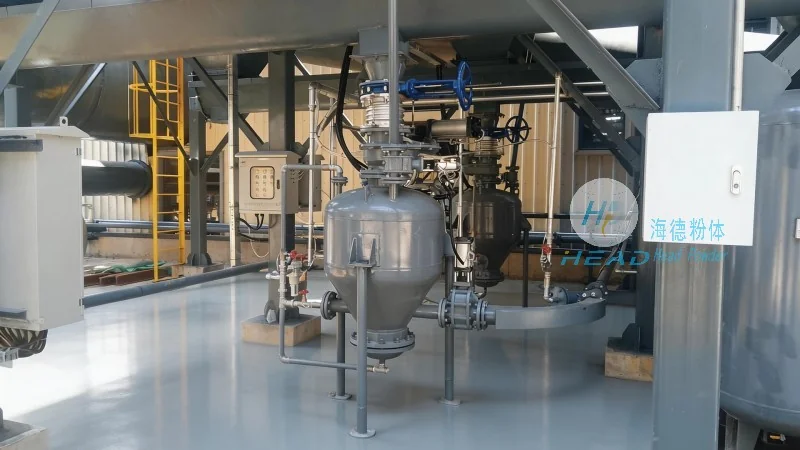
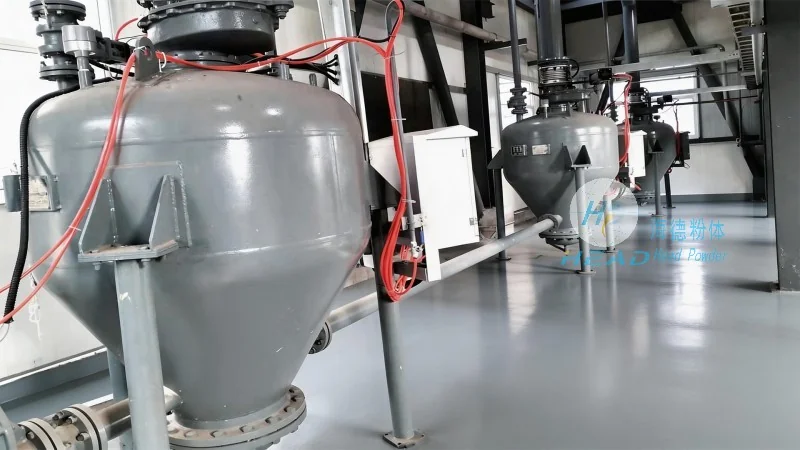
The high-alumina fly ash pneumatic conveying system consists of several key components that work together to facilitate material transport. The primary components include a storage hopper, a feeder mechanism, an air compressor, a conveying pipeline network, and a control system. Each component is designed to withstand the abrasive and potentially corrosive effects of high-alumina fly ash. The storage hopper is equipped with a rotary valve or screw feeder, which regulates the flow of fly ash into the system, preventing blockages and ensuring consistent material input. The air compressor generates the necessary compressed air, which is introduced into the hopper to mix with the fly ash, creating a suspension that can be transported through the pipeline. The conveying pipeline is constructed from high-quality stainless steel or specialized alloys, chosen for their resistance to wear and corrosion from the abrasive ash particles. The control system monitors and adjusts air pressure, flow rate, and other operational parameters, providing real-time feedback to maintain optimal performance and prevent system failures.
Structural Principles and Working Mechanism
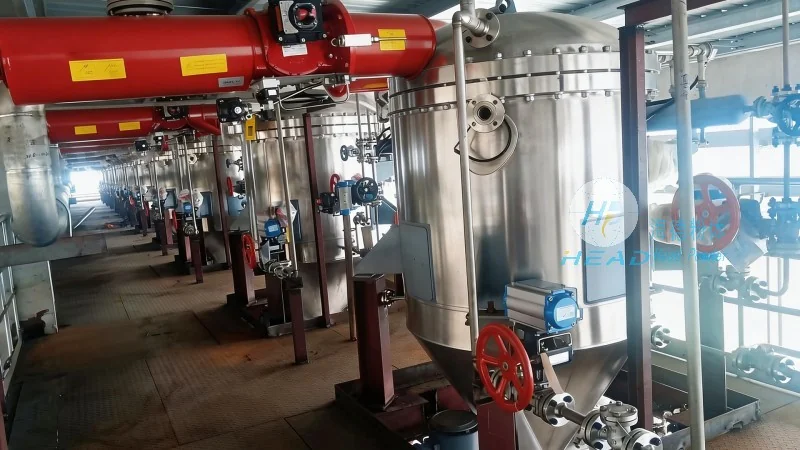
The structural principles of the high-alumina fly ash pneumatic conveying system are based on the fundamental physics of pneumatic transport, specifically the creation of a pressure differential to move material through a pipeline. The system operates by using compressed air to suspend and propel the high-alumina fly ash particles. In the hopper, the air compressor supplies air, which mixes with the fly ash, forming a slurry. This mixture is then forced through the pipeline by the air flow, with the pressure difference between the inlet and outlet driving the material's movement. The system supports both dilute and dense phase conveying modes. Dilute phase conveying involves the material being suspended in the air stream at higher velocities, suitable for longer distances or when material is less abrasive. Dense phase conveying, on the other hand, moves the material in a more compact form, reducing wear on the pipeline and equipment, and is ideal for shorter distances or when handling highly abrasive materials. The structural design emphasizes durability, with features like wear-resistant linings on the hopper and pipeline, adjustable flow controls to regulate material throughput, and automated monitoring systems to detect and address issues promptly.
Advantages and Practical Applications
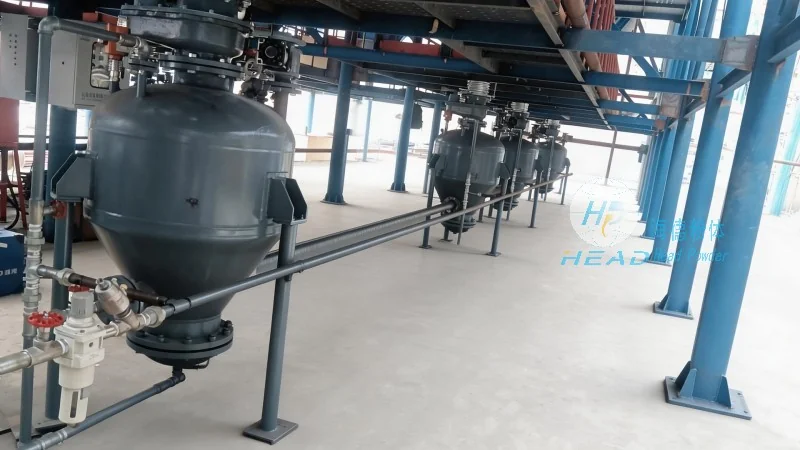
Shandong HeadPowder Engineering Co., Ltd.'s high-alumina fly ash pneumatic conveying system offers significant advantages that enhance operational efficiency and reduce costs for industrial clients. The system's ability to handle abrasive high-alumina fly ash without excessive wear or maintenance minimizes downtime and repair expenses. Its compact and modular design allows for easy integration into existing facilities, reducing installation time and complexity. Additionally, the system's energy efficiency and low operational costs contribute to long-term savings, making it a cost-effective solution for facilities processing high-alumina fly ash. The system is widely applied in cement plants, where it transports fly ash from storage to the clinker production line, and in power stations, where it moves ash from boiler houses to disposal or recycling facilities. The reliability and durability of the system ensure consistent performance, even under demanding conditions, making it a preferred choice for industries that require high uptime and minimal maintenance.