

Operation Process and Working Principle of Furfural Residue Material Pneumatic Conveying Line
HeadPowder, a leading engineering company based in Shandong, China, specializes in the design, manufacturing, and installation of advanced pneumatic conveying systems tailored for handling various industrial materials, including furfural residue. This article provides a detailed overview of the operation process and working principle of a typical furfural residue material pneumatic conveying line, highlighting the key components, operational steps, and technical advantages that ensure efficient and reliable material transport.
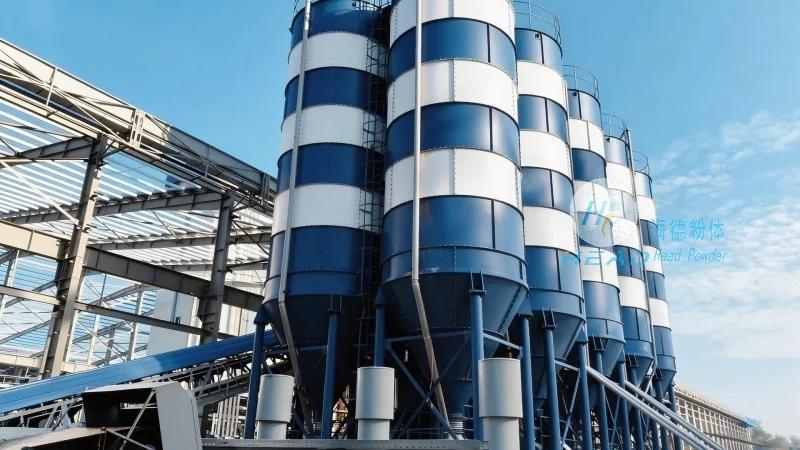
System Overview and Key Components
The furfural residue pneumatic conveying line is a sophisticated system engineered to transport bulk materials from a source point to a destination point using a combination of air flow and pressure differentials. The system typically consists of several critical components, each playing a vital role in the overall operation. These components include a material hopper or silo for storage, a rotary airlock or feeder to control the material flow, a conveying pipeline (often made of stainless steel or other corrosion-resistant materials to handle the acidic nature of furfural residue), a positive displacement blower or air compressor to generate the necessary air pressure, a filter system to capture and separate any fine particles from the air stream, and a discharge hopper or silo at the receiving end. The company, Shandong HeadPowder Engineering Co., Ltd., utilizes high-quality materials and advanced manufacturing techniques to ensure the durability and efficiency of these components, minimizing maintenance requirements and maximizing operational lifespan.
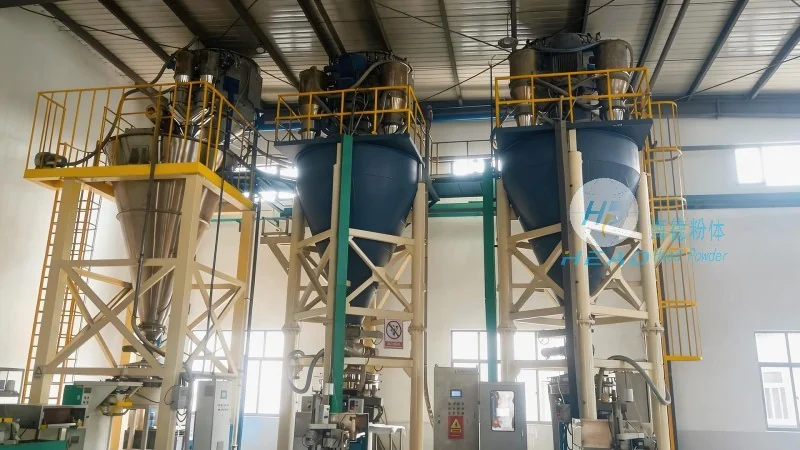
Operation Process: Step-by-Step Execution
The operation of the furfural residue pneumatic conveying line follows a systematic sequence of steps to ensure smooth and continuous material transport. The process begins with the loading of furfural residue into the storage hopper. The rotary airlock feeder then regulates the flow of material from the hopper into the conveying pipeline, preventing blockages and maintaining a consistent feed rate. Simultaneously, the positive displacement blower generates a high-pressure air stream, which is introduced into the pipeline. The air flow, combined with the material from the feeder, creates a dense phase or dilute phase conveying condition, depending on the system design. In the dense phase mode, the material is conveyed as a slurry, reducing particle separation and minimizing system wear. The conveying pipeline transports the material-air mixture to the receiving hopper, where the air is separated from the material using a cyclone or filter system. The purified air is then discharged to the atmosphere, while the furfural residue is collected in the receiving hopper for further processing or storage. The entire process is automated and monitored by the company's advanced control systems, which adjust parameters such as air pressure, feed rate, and system temperature to optimize performance and prevent operational issues.
Working Principle: The Science Behind Efficient Conveying
The working principle of the furfural residue pneumatic conveying line is based on the fundamental physics of fluid dynamics and particle transport. The system operates by creating a pressure differential between the inlet and outlet of the conveying pipeline. The positive displacement blower or air compressor supplies the necessary air pressure, which propels the material through the pipeline. The key to efficient conveying lies in the balance between the air flow rate and the material feed rate. If the air flow is too low, the material may not be fully suspended, leading to blockages or increased wear on the pipeline. Conversely, if the air flow is too high, the material may be over-suspended, causing excessive energy consumption and potential damage to downstream equipment. The company's engineers employ advanced computational fluid dynamics (CFD) modeling and field testing to optimize the system design, ensuring the optimal air-to-material ratio for each specific application. This approach minimizes energy consumption, reduces operational costs, and enhances the overall reliability of the system. Additionally, the use of corrosion-resistant materials and robust construction ensures that the system can withstand the harsh chemical environment of furfural residue, extending its service life and reducing maintenance downtime.
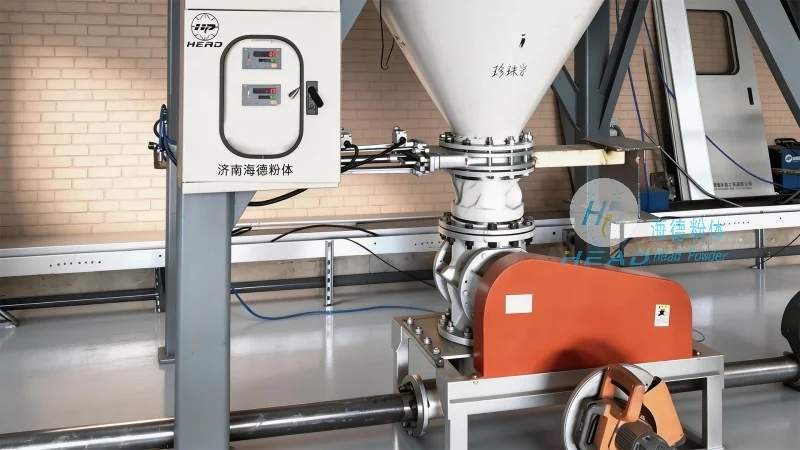
Technical Advantages and Industry Applications
The furfural residue pneumatic conveying line developed by Shandong HeadPowder Engineering Co., Ltd. offers several technical advantages that make it an ideal solution for industrial applications. One of the primary benefits is its ability to handle abrasive and corrosive materials like furfural residue without significant wear or degradation of the conveying components. The use of stainless steel or other high-quality materials ensures that the system remains durable and reliable over long periods. Another advantage is the system's flexibility, as it can be configured to handle various material sizes and flow rates, making it suitable for a wide range of industrial processes. The automated control system provides real-time monitoring and adjustment, ensuring consistent performance and minimizing the need for manual intervention. The company's expertise in customizing systems to meet specific customer requirements has made it a trusted partner for many industries, including chemical processing, food processing, and pharmaceutical manufacturing. The furfural residue conveying line is particularly valuable in applications where traditional mechanical conveying methods are impractical or inefficient, such as in facilities with limited space or where the material is highly toxic or hazardous.