

Operation Process and Working Principle of Biologic Enzyme Material Pneumatic Conveying Line
Headpowder, a leading enterprise in the field of material handling solutions, specializes in the design, manufacturing, and installation of advanced pneumatic conveying systems tailored for biologic enzyme materials. Based in Shandong, China, the company leverages its expertise to deliver efficient and reliable equipment that meets the stringent requirements of the biotech and pharmaceutical industries. This article delves into the operation process and working principle of a biologic enzyme material pneumatic conveying line, highlighting the key components, operational steps, and technical advantages of such systems.
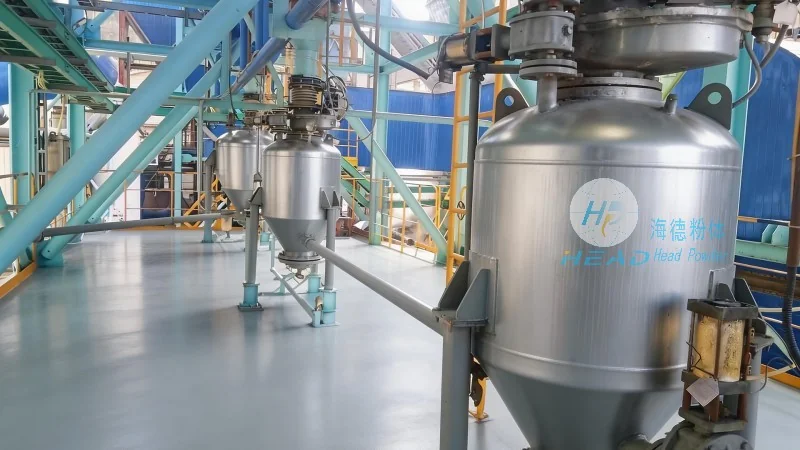
Key Components of the Pneumatic Conveying System
The biologic enzyme material pneumatic conveying line typically consists of several critical components that work in tandem to ensure smooth material transport. These include the material hopper, feeder, air compressor, conveying pipe, control system, and dust collection unit. Each component plays a vital role in the overall functionality of the system.
The material hopper is designed to store the biologic enzyme material, ensuring a consistent feed to the feeder. It is equipped with a level indicator to monitor the material volume, preventing overfilling or underfilling. The feeder, often a rotary valve or a screw feeder, regulates the flow rate of the material into the conveying pipe. This precise control is essential to maintain the desired conveying velocity and prevent material degradation or blockages.
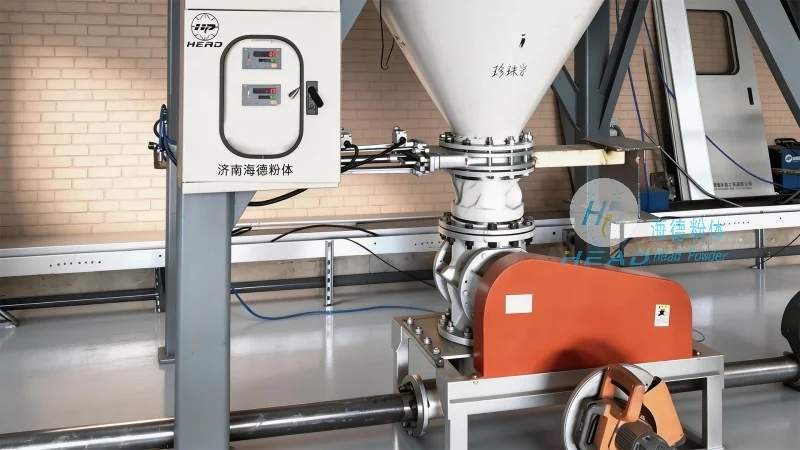
The air compressor generates the necessary pressure and airflow to move the material through the conveying pipe. Depending on the system design, it can be a positive displacement or centrifugal compressor, chosen based on the material characteristics and conveying distance. The conveying pipe is made of materials resistant to the biologic enzyme material, such as stainless steel or food-grade plastic, to avoid contamination and ensure hygiene compliance. The control system manages the operation of all components, including the feeder speed, compressor pressure, and pipe pressure, using sensors and programmable logic controllers (PLCs). Finally, the dust collection unit captures any airborne particles, ensuring a clean and safe working environment.
Operation Process of the Pneumatic Conveying Line
The operation of the biologic enzyme material pneumatic conveying line follows a systematic sequence of steps, each designed to optimize material transport efficiency and maintain product quality. The process begins with the loading of the biologic enzyme material into the hopper. Once the hopper is filled, the feeder starts to discharge the material at a controlled rate. Simultaneously, the air compressor activates, generating the required airflow and pressure. The material is then drawn into the conveying pipe by the airflow, forming a dense phase or dilute phase stream, depending on the system design and material properties.
During the conveying process, the material is transported through the pipe to the destination point, such as a storage silo or processing unit. The control system continuously monitors the pressure and flow rates, adjusting the feeder speed or compressor output as needed to maintain stable operation. The material exits the conveying pipe at the receiving end, where it is collected in a receiving hopper or directly fed into the next processing stage. The system then returns to the standby mode, ready for the next cycle of material transport.
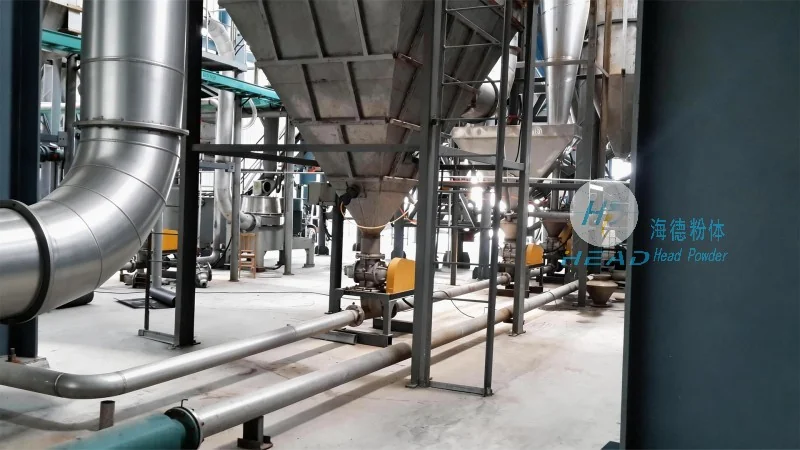
Key operational parameters, such as the conveying velocity, pressure drop, and material flow rate, are closely monitored to prevent issues like blockages, material degradation, or excessive energy consumption. Regular maintenance, including cleaning the hopper, feeder, and conveying pipe, and checking the compressor and control system, is essential to ensure the long-term reliability and efficiency of the pneumatic conveying line.
Working Principle of the Pneumatic Conveying System
The working principle of the biologic enzyme material pneumatic conveying line is based on the fundamental concept of transporting bulk materials using a gas stream. The system operates by creating a pressure differential between the material hopper and the receiving end, which drives the material through the conveying pipe. There are two primary modes of operation: dense phase and dilute phase conveying.
In dense phase conveying, the material is transported in a compacted form, with a higher material-to-air ratio. This mode is suitable for fragile or sensitive biologic enzyme materials, as it minimizes particle impact and reduces the risk of degradation. The air compressor provides a moderate pressure, typically 0.5 to 1.5 bar, and the material is conveyed at a relatively low velocity, around 5 to 15 m/s. The dense phase flow ensures that the material moves smoothly through the pipe, with minimal turbulence.
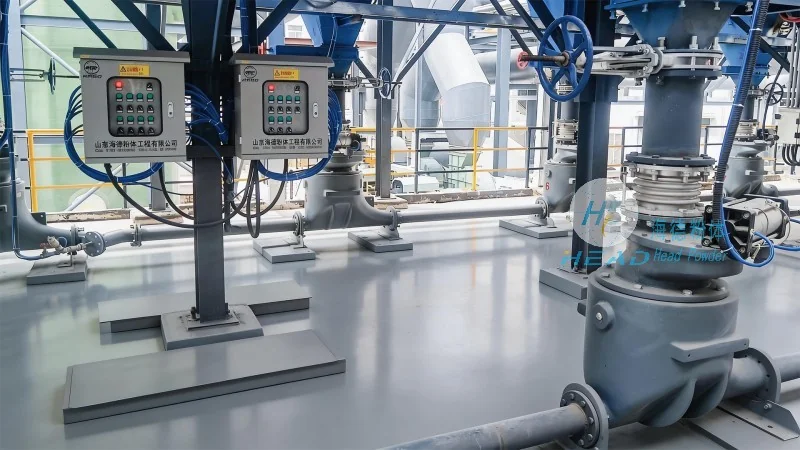
In dilute phase conveying, the material is transported in a dispersed form, with a lower material-to-air ratio. This mode is more suitable for non-sensitive materials or when longer conveying distances are required. The air compressor provides higher pressure, up to 6 bar or more, and the material is conveyed at a higher velocity, around 20 to 30 m/s. The dilute phase flow allows for faster material transport but may increase the risk of particle degradation or wear on the pipe and components.
The choice between dense phase and dilute phase conveying depends on the specific characteristics of the biologic enzyme material, such as its particle size, moisture content, and sensitivity to pressure or velocity. The system design, including the pipe diameter, length, and layout, is optimized to achieve the desired conveying efficiency and material handling performance.