

Operation Process and Working Principle of Barley Malt Material Pneumatic Conveying Line
Shandong HeadPowder Engineering Co., Ltd., based in Shandong, China, specializes in the design, manufacturing, and installation of advanced pneumatic conveying systems for industrial applications. This article provides a detailed overview of the operation process and working principle of a barley malt material pneumatic conveying line, highlighting key components, operational steps, and technical aspects that ensure efficient material handling.
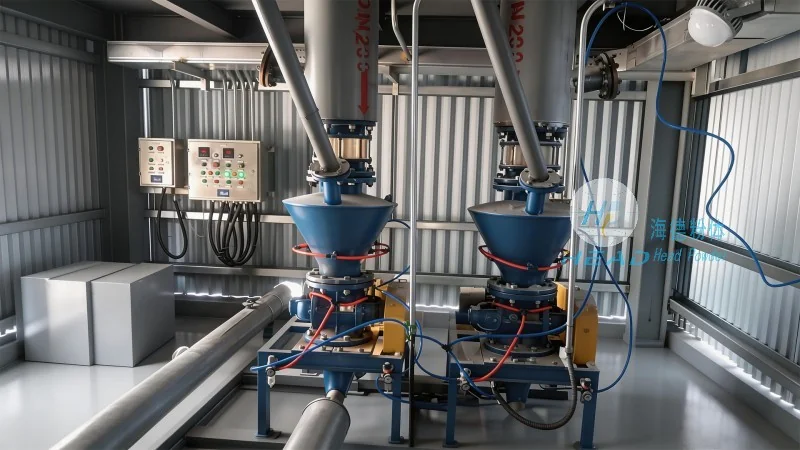
Introduction to Barley Malt Material Pneumatic Conveying Line
A pneumatic conveying line for barley malt material is a sophisticated system designed to transport bulk materials like barley malt from one location to another using compressed air or gas streams. This technology offers advantages over traditional mechanical conveying, such as reduced contamination risk, lower maintenance costs, and the ability to handle materials with high moisture content or delicate characteristics. The system typically includes a hopper, feeder, conveying pipeline, air compressor, and control system, all working together to achieve seamless material transport.
Key Components of the Pneumatic Conveying System
The barley malt material pneumatic conveying line relies on several critical components for optimal performance. The hopper serves as the storage and feeding unit, where barley malt is stored before being introduced into the system. The feeder, often a rotary valve or screw type, regulates material flow into the pipeline, ensuring consistent feed rates. The conveying pipeline, usually made of stainless steel or corrosion-resistant materials, is designed to withstand the abrasive nature of barley malt and the pressure of the air stream. The air compressor generates the necessary pressure to move material through the pipeline, while the control system monitors and adjusts parameters to maintain stable operation. Filters and cyclones may also be included to separate material from the air stream and recycle air back to the compressor.
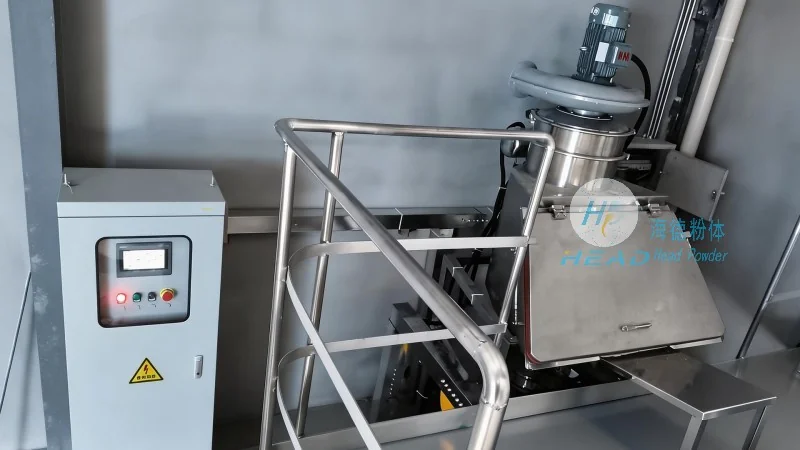
Operation Process of the Barley Malt Material Pneumatic Conveying Line
The operation of the barley malt material pneumatic conveying line involves sequential steps for efficient material transport. The process starts with loading barley malt into the hopper. The feeder then discharges material at a controlled rate, which is introduced into the conveying pipeline by the air stream from the compressor. As material travels through the pipeline, it is suspended and carried by the air, moving from inlet to outlet. The control system continuously monitors pressure, flow rate, and material level, adjusting compressor output and feeder speed as needed to maintain optimal performance. At the receiving end, material is deposited into a storage bin or processing unit, while the air stream is filtered and recycled back to the compressor. This closed-loop system minimizes energy consumption and ensures consistent material handling.
Working Principle of the Pneumatic Conveying System
The working principle of the barley malt material pneumatic conveying line is based on fluidization and suspension. When compressed air is introduced into the pipeline, it creates a low-pressure zone that draws barley malt particles into the air stream. The air velocity is maintained at a level sufficient to keep material suspended, preventing settling or clogging. The system operates on differential pressure, with higher pressure at the inlet driving material forward. The control system adjusts compressor speed and feeder rate to maintain the pressure gradient, ensuring material is conveyed at the desired speed without excessive pressure drop. Proper air velocity and pipeline diameter are critical to prevent material degradation, such as breakage or dust generation, which could affect barley malt quality.

Advantages and Applications of the Barley Malt Material Pneumatic Conveying Line
The barley malt material pneumatic conveying line offers several advantages over traditional methods. It can handle materials with high moisture content or delicate characteristics without damage or contamination. The enclosed system reduces dust and airborne particles, improving environmental safety and workplace hygiene. The system is highly flexible, allowing easy integration with existing processing lines and transport over long distances or vertical elevations. Low maintenance requirements and reduced labor costs enhance economic viability. In the brewing industry, for example, this type of conveying line is commonly used to transport barley malt from storage silos to mashing tanks, ensuring a consistent and hygienic supply of raw material for beer production.
Conclusion
In conclusion, the operation process and working principle of the barley malt material pneumatic conveying line are designed to provide efficient, reliable, and hygienic material handling for industrial applications. The system's components work in harmony to transport barley malt from the storage hopper to the processing unit, using compressed air to suspend and move material through the pipeline. The control system ensures optimal performance by monitoring and adjusting key parameters, while the enclosed design minimizes contamination and improves safety. As a leading provider of pneumatic conveying solutions, Shandong HeadPowder Engineering Co., Ltd. specializes in designing and manufacturing customized systems that meet specific client needs, ensuring high-quality and cost-effective material transport for various industrial sectors.