

Operation Process and Working Principle of Corn Cobs Material Pneumatic Conveying Line
HeadPowder, a leading engineering firm based in Shandong, China, specializes in the design and implementation of advanced material handling systems. This article delves into the operation process and working principle of a corn cobs material pneumatic conveying line, a critical solution for efficient bulk material transport in agricultural and food processing industries.
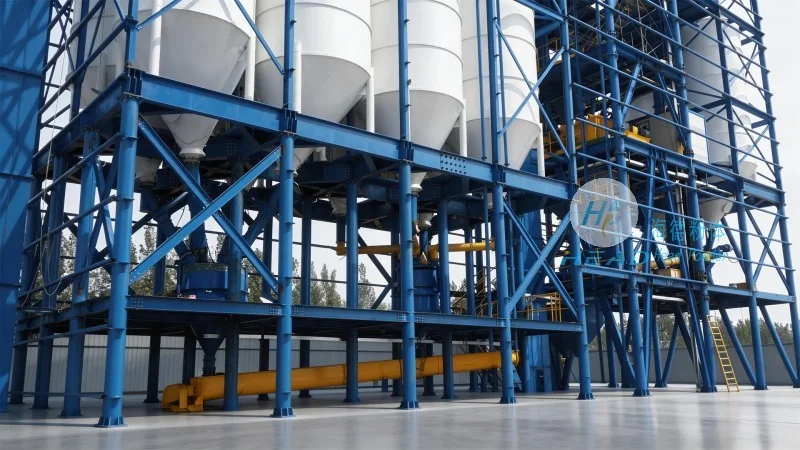
Introduction to Corn Cobs Material Pneumatic Conveying
Corn cobs, a byproduct of corn processing, present unique challenges in material handling due to their irregular shape, varying moisture content, and potential for dust generation. Traditional conveying methods like belt conveyors or screw conveyors may struggle with these characteristics, leading to operational inefficiencies and equipment wear. Pneumatic conveying systems offer a robust alternative, utilizing air pressure to transport corn cobs in a controlled and hygienic manner. The system designed by HeadPowder Engineering Co., Ltd. addresses these challenges by integrating advanced components tailored for corn cobs handling.
Key Components of the Pneumatic Conveying Line
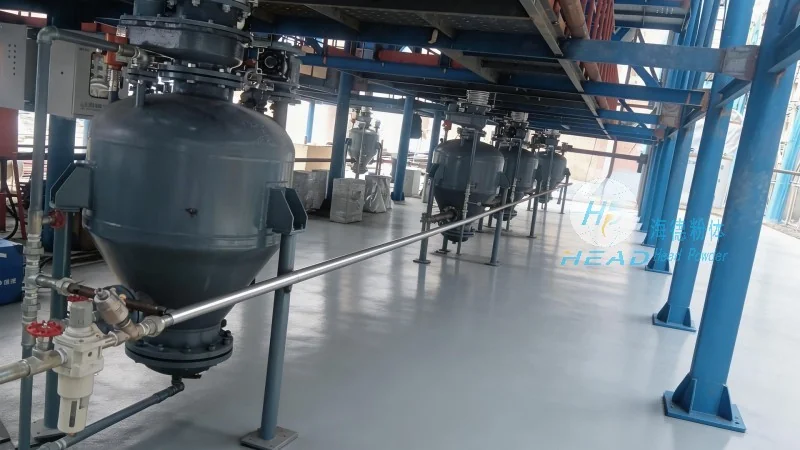
The corn cobs pneumatic conveying line consists of several interconnected components that work in synergy to ensure smooth material transport. The primary components include a hopper for material storage, a rotary valve for controlled discharge, a positive displacement blower or air compressor to generate airflow, a conveying pipeline network, and a receiver or discharge unit for material collection. Each component is selected to withstand the mechanical and environmental demands of corn cobs, ensuring durability and long-term performance.
Working Principle of the Pneumatic Conveying System
The operation of the corn cobs pneumatic conveying line begins with material loading into the hopper. The rotary valve regulates the flow of corn cobs from the hopper into the conveying pipeline, preventing backflow and maintaining consistent material feed. The positive displacement blower then generates a high-pressure airflow that pulls the corn cobs through the pipeline. As the corn cobs travel through the pipeline, they are suspended by the air stream, allowing for efficient transport over long distances. The receiver at the end of the pipeline collects the corn cobs, where the air is separated from the material and discharged through a filter system. This separation process ensures that the corn cobs are delivered in a clean and dry state, suitable for further processing or storage.
Operation Process Flow
The operation process of the corn cobs pneumatic conveying line follows a systematic sequence to ensure optimal performance. Initially, the hopper is filled with corn cobs, and the system is started by activating the rotary valve and the blower. The material is then discharged from the hopper into the pipeline, where it is conveyed to the receiver. The system continuously monitors the flow rate and pressure to maintain stable operation. If any blockage occurs in the pipeline, the system includes safety features such as pressure relief valves and automatic shut-off mechanisms to prevent damage. The entire process is automated, reducing the need for manual intervention and enhancing operational efficiency.
Advantages of the Pneumatic Conveying System for Corn Cobs
Implementing a pneumatic conveying line for corn cobs offers several advantages over traditional conveying methods. Firstly, it provides a dust-free and hygienic environment, which is crucial for food processing applications where contamination control is paramount. Secondly, the system minimizes material degradation due to reduced friction and impact compared to mechanical conveyors. Thirdly, it allows for flexible layout designs, enabling the conveyance of corn cobs over long distances and around obstacles. Additionally, the system is energy-efficient, as the air pressure can be adjusted to match the material flow requirements, optimizing energy consumption. These benefits make the pneumatic conveying line an ideal solution for corn cobs handling in agricultural and industrial settings.
Maintenance and Operational Considerations
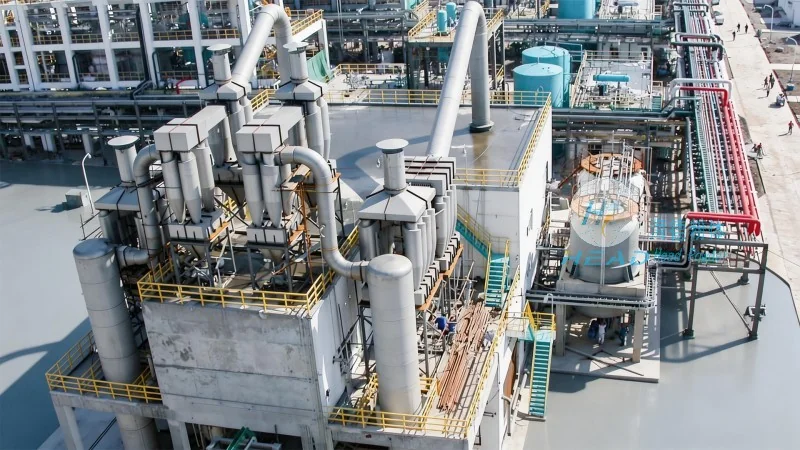
To ensure the longevity and reliability of the corn cobs pneumatic conveying line, regular maintenance is essential. The system components, particularly the blower, rotary valve, and pipeline, require periodic inspection and cleaning to prevent clogging and wear. The filter system must be maintained to ensure efficient air separation and prevent dust accumulation. HeadPowder Engineering Co., Ltd. provides comprehensive maintenance services to clients, including routine checks, component replacement, and troubleshooting support. Proper operational considerations, such as monitoring pressure and flow rates, also contribute to the system's optimal performance and longevity.
Conclusion
The corn cobs material pneumatic conveying line developed by HeadPowder Engineering Co., Ltd. represents a sophisticated solution for efficient bulk material transport in the agricultural sector. By leveraging advanced pneumatic technology, the system addresses the unique challenges of corn cobs handling, offering benefits such as dust control, material preservation, and flexible operation. With its robust design and comprehensive maintenance support, this system ensures reliable performance and contributes to the overall efficiency of corn processing operations. HeadPowder continues to innovate in material handling solutions, providing tailored systems that meet the specific needs of its clients in Shandong and beyond.