

Operation Process and Working Principle of a Pneumatic Conveying Line for Calcined Sand Materials
Shandong HeadPowder Engineering Co., Ltd., commonly known as headpowder, is a professional manufacturer and supplier of pneumatic conveying systems based in Shandong, China. The company specializes in the design, production, and installation of advanced equipment for material handling, particularly for calcined sand and other bulk materials. This article provides an in-depth look at the operation process and working principle of a typical pneumatic conveying line used for calcined sand materials, highlighting the key components and the step-by-step procedures involved in its operation.
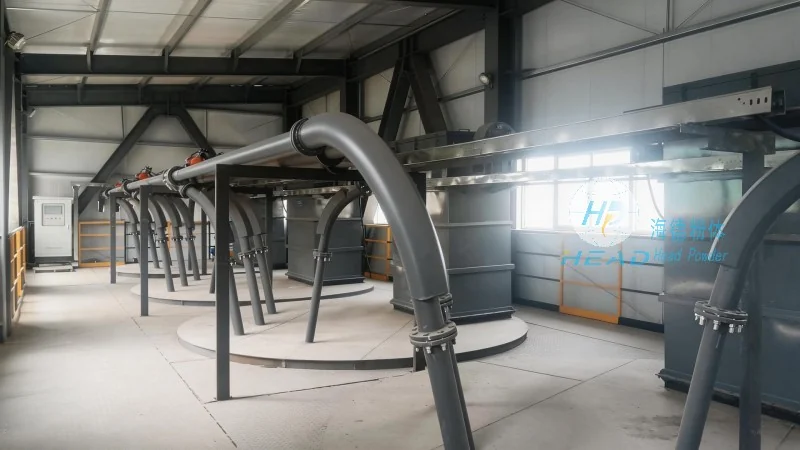
Overview of Pneumatic Conveying Systems for Calcined Sand
Pneumatic conveying systems are widely used in industrial applications to transport bulk materials like calcined sand over long distances with high efficiency and minimal maintenance. These systems utilize air as the conveying medium, either by creating a positive pressure (blowing air into the material) or a negative pressure (sucking material through a vacuum). For calcined sand, which is a fine to medium-sized granular material, a positive pressure system is often preferred due to its ability to handle abrasive and dusty materials without causing excessive wear on components.
Key Components of a Calcined Sand Pneumatic Conveying Line
The core components of a pneumatic conveying line for calcined sand include the following:
1. Feed Hopper and Metering Device: The feed hopper stores the calcined sand and feeds it into the system at a controlled rate. The metering device, such as a rotary valve or a screw feeder, ensures a consistent flow of material into the conveying line, preventing blockages and maintaining system efficiency.
2. Air Supply System: This component generates the necessary air pressure or vacuum to move the calcined sand through the pipeline. It typically consists of a blower or a vacuum pump, a filter to remove contaminants from the air, and a pressure regulator to maintain stable pressure levels.
3. Conveying Pipeline: The pipeline is made of durable materials like stainless steel or PVC to withstand the abrasive nature of calcined sand. The pipeline is usually arranged in a loop or a straight line, depending on the layout of the facility, and includes bends, elbows, and straight sections to guide the material to the destination.
4. Separation and Collection Unit: At the end of the conveying line, the calcined sand is separated from the air using a cyclone separator or a bag filter. The separated material is collected in a discharge hopper, while the air is filtered and released back into the environment.
5. Control System: The control system monitors and regulates the operation of the entire conveying line. It includes sensors to detect material levels, pressure, and flow rates, as well as control valves and switches to adjust the air supply and feeding rates as needed.
Step-by-Step Operation Process of the Pneumatic Conveying Line
The operation of a calcined sand pneumatic conveying line involves several sequential steps, each critical to the efficient and safe transport of the material:
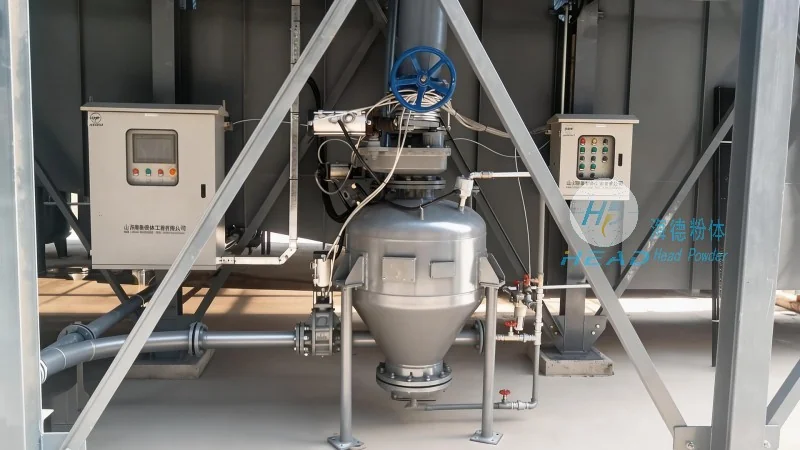
1. Material Loading: The calcined sand is loaded into the feed hopper from a storage silo or a truck. The hopper is equipped with a level indicator to monitor the material level, ensuring that the system operates at an optimal loading rate.
2. Material Metering: The rotary valve or screw feeder meters the calcined sand from the hopper and feeds it into the conveying pipeline. The metering device is adjusted to maintain a consistent flow rate, which is crucial for preventing overloading or underloading of the system.
3. Air Supply Initiation: The blower or vacuum pump is started, and the air is supplied to the pipeline. The air pressure is adjusted to the appropriate level based on the material's properties and the distance to be conveyed.
4. Material Conveying: As the air flows through the pipeline, it entrains the calcined sand particles, forming a slurry-like mixture. The mixture is then transported from the feed point to the discharge point at a high velocity, typically ranging from 15 to 30 meters per second.
5. Material Separation: At the discharge end of the pipeline, the cyclone separator or bag filter separates the calcined sand from the air. The centrifugal force in the cyclone causes the sand particles to be deposited in the collection hopper, while the air passes through the filter and is released.
6. Material Discharge: The separated calcined sand is collected in the discharge hopper and can be further processed or stored. The control system monitors the material level in the hopper and signals when it needs to be emptied.
7. Air Filtration and Recirculation: The air that has passed through the filter is clean and can be recirculated back to the blower or released into the environment, depending on the system design and local regulations.
Working Principle of the Pneumatic Conveying Line
The working principle of a calcined sand pneumatic conveying line is based on the principle of fluidization and particle suspension. When air is introduced into the conveying pipeline at a high velocity, it creates a low-pressure zone that draws the calcined sand particles into the air stream. The particles are then suspended in the air and transported along the pipeline. The key to efficient conveying is maintaining a balance between the air velocity and the particle size and density. If the air velocity is too low, the particles may settle and cause blockages; if it is too high, excessive wear on the pipeline and components may occur.
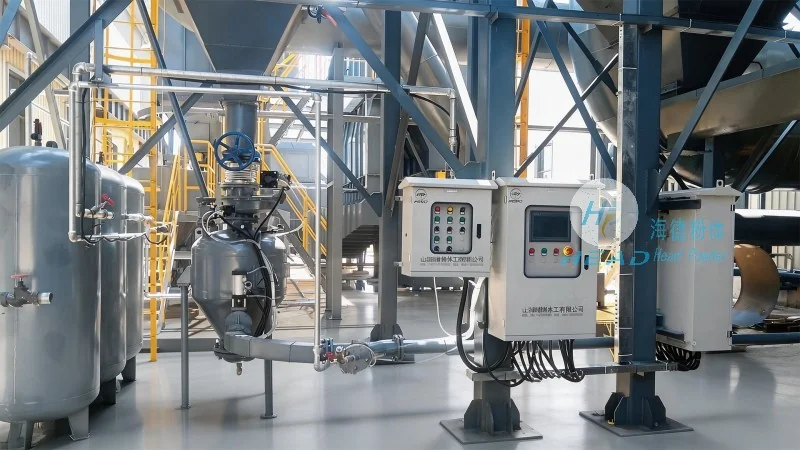
The positive pressure system used in most calcined sand conveying lines operates by blowing air into the pipeline, creating a pressure higher than the ambient air pressure. This pressure difference drives the material forward, ensuring that the conveying process is continuous and reliable. The system is designed to handle the abrasive nature of calcined sand, with components such as the pipeline, blower, and separation unit constructed from durable materials that can withstand the wear and tear caused by the material.
Advantages of Using a Pneumatic Conveying Line for Calcined Sand
There are several advantages to using a pneumatic conveying line for calcined sand materials, including:
1. High Efficiency: Pneumatic conveying systems can transport calcined sand over long distances with minimal energy consumption and high material throughput.
2. Low Maintenance: Compared to mechanical conveying systems like belt conveyors or screw conveyors, pneumatic systems have fewer moving parts and require less maintenance, reducing downtime and operational costs.
3. Flexible Layout: The pipeline can be arranged in various configurations, allowing for flexible layout of the facility and easy integration with other equipment.
4. Reduced Dust and Contamination: The enclosed pipeline design prevents dust and contamination from the environment, ensuring that the calcined sand remains clean and free from external particles.
5. Safe and Reliable Operation: The system is designed to operate safely, with features such as pressure relief valves and emergency shut-off switches to prevent accidents and ensure reliable operation.
Conclusion
Shandong HeadPowder Engineering Co., Ltd. specializes in the design and manufacturing of high-quality pneumatic conveying systems for calcined sand and other bulk materials. The company's expertise in material handling technology ensures that its systems are efficient, reliable, and tailored to the specific needs of each application. By understanding the operation process and working principle of a pneumatic conveying line, users can optimize their material handling operations and achieve higher productivity and cost savings.