

Operation Process and Working Principle of Phosphate Iron Material Pneumatic Conveying Line
Phosphate iron material pneumatic conveying lines are essential industrial systems designed to transport phosphate iron powders and related materials efficiently and safely. This article provides a comprehensive overview of the operation process and working principle of such systems, detailing key components, operational steps, and technical aspects that ensure reliable material handling.
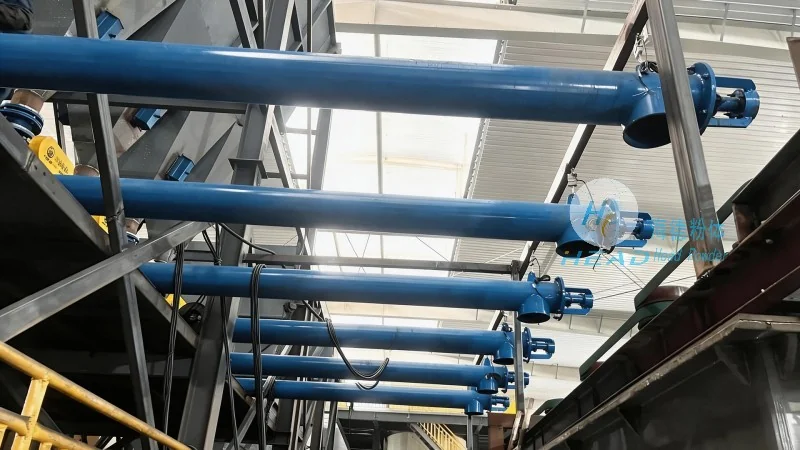
Introduction to Phosphate Iron Material Pneumatic Conveying Lines
Phosphate iron, a critical raw material in sectors like battery production and chemical manufacturing, requires specialized handling due to its dustiness and potential reactivity. Pneumatic conveying lines offer a solution by utilizing air or gas to transport these materials without direct contact with mechanical parts, reducing contamination and improving process efficiency. The system typically consists of interconnected components including a material hopper, feeder, air compressor, conveying pipeline, and discharge device. Each part plays a vital role in maintaining smooth and continuous material flow.
Key Components of the Pneumatic Conveying System
The core components of a phosphate iron material pneumatic conveying line include: the material hopper, which stores the raw phosphate iron powder; a feeder (often a rotary valve or screw type) that regulates material discharge rate; an air compressor that generates the necessary air pressure for conveying; a conveying pipeline network that transports the material-air mixture; and a discharge device (such as a rotary valve or filter) that collects the material at the destination. Auxiliary components like filters, silencers, and pressure regulators are also included to maintain system performance and safety.
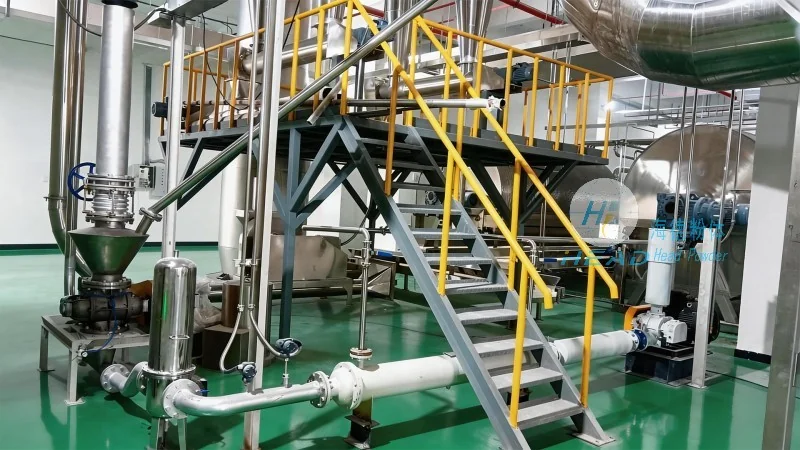
Working Principle of the Pneumatic Conveying Process
The operation of a phosphate iron material pneumatic conveying line follows a systematic sequence. Initially, the phosphate iron powder is fed from the hopper into the feeder, which controls the flow rate based on system demand. Simultaneously, the air compressor supplies compressed air to the pipeline. The feeder then introduces the material into the conveying pipeline, where the air stream carries the powder particles forward. The air-material mixture travels through the pipeline network, overcoming resistance from bends, valves, and other obstacles. At the receiving end, the discharge device separates the material from the air (typically using a filter or cyclone separator). The purified air is released, while the phosphate iron powder is collected for further processing.
Operation Process: Step-by-Step Overview
The operation process of the phosphate iron material pneumatic conveying line can be broken down into sequential steps. First, the system is started by activating the air compressor and ensuring all components are properly aligned and functional. Next, the material hopper is filled with phosphate iron powder, and the feeder is adjusted to the desired flow rate. As the system operates, the feeder continuously releases the material into the pipeline, while the compressed air maintains a consistent flow. The conveying process continues until the material is fully transported to the discharge point. Finally, the system is shut down by stopping the air compressor and allowing the remaining material to be discharged. This structured approach ensures controlled and monitored operation for optimal performance.
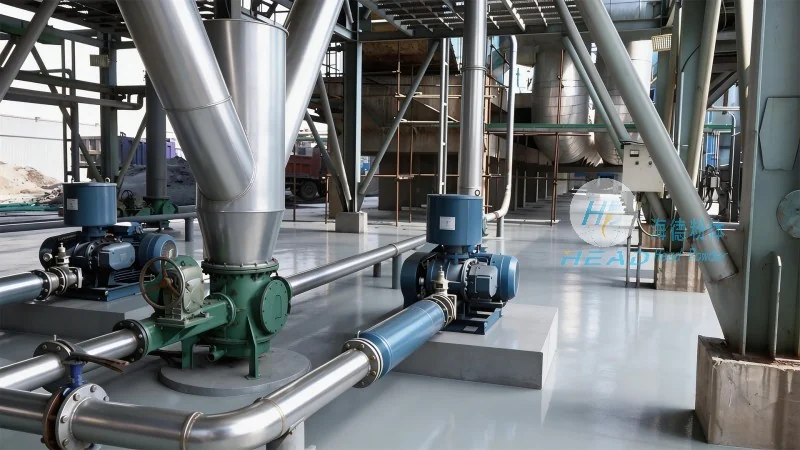
Advantages of Using Pneumatic Conveying for Phosphate Iron Materials
Employing pneumatic conveying systems for phosphate iron materials offers significant advantages over traditional mechanical methods. Firstly, it minimizes material contamination by eliminating direct contact with mechanical parts, which is crucial for maintaining product quality. Secondly, the system reduces dust exposure, enhancing workplace safety and compliance with environmental regulations. Thirdly, pneumatic conveying allows for flexible and scalable material handling, adapting to varying production demands. Additionally, the process is energy-efficient compared to other methods, as it uses compressed air effectively to transport materials over long distances. These benefits make pneumatic conveying an ideal choice for industrial applications involving phosphate iron powders.
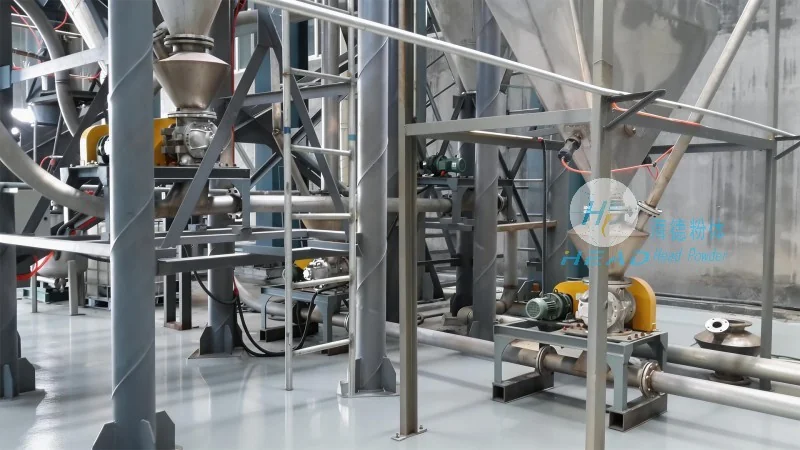
Maintenance and Operational Considerations
Proper maintenance is essential to ensure the reliable operation of phosphate iron material pneumatic conveying lines. Regular checks of the air compressor, feeder, and pipeline for wear and tear are necessary to prevent breakdowns. Filters and cyclones should be cleaned or replaced regularly to maintain air quality and prevent clogging. Additionally, monitoring pressure and flow rates during operation helps identify potential issues early. Proper training for operators on system operation and emergency procedures is also critical to ensure safe and efficient operation. By adhering to these maintenance and operational guidelines, the system can achieve long-term reliability and performance.
About Shandong HeadPowder Engineering Co., Ltd.
Shandong HeadPowder Engineering Co., Ltd., commonly known as HeadPowder, is a leading manufacturer and supplier of industrial material handling equipment, including pneumatic conveying systems. With a focus on innovation and quality, HeadPowder provides customized solutions tailored to the specific needs of clients in various industries. The company is headquartered in Shandong, China, and has established a strong reputation for delivering reliable and efficient equipment that meets international standards. HeadPowder's expertise in material handling technology ensures that clients receive systems that enhance productivity, safety, and environmental compliance. For over [years of operation], HeadPowder has served numerous clients worldwide, contributing to the advancement of industrial processing through advanced material handling solutions.