

Operation Process and Working Principle of Sodium Dithionite Material Pneumatic Conveying Line
HeadPowder, a leading engineering firm based in Shandong, China, specializes in the design, manufacturing, and installation of advanced pneumatic conveying systems tailored for handling sodium dithionite materials. This article provides a detailed overview of the operation process and working principles of such systems, highlighting the efficiency and reliability they offer in industrial applications.
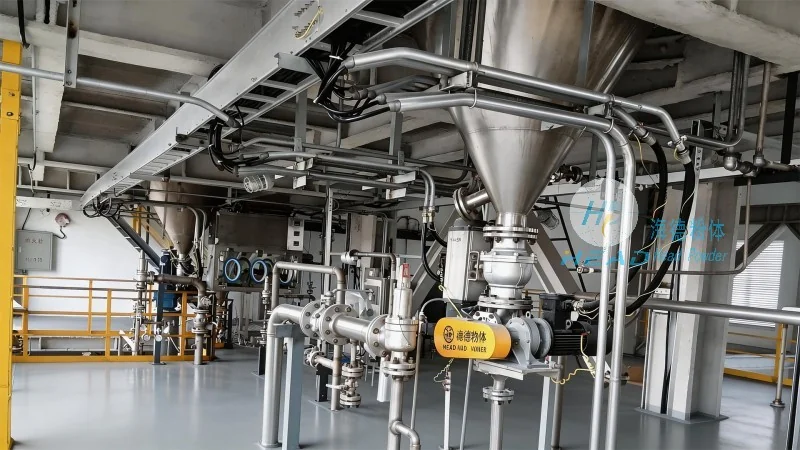
Shandong HeadPowder Engineering Co., Ltd., commonly known as HeadPowder, is a reputable company dedicated to providing high-quality engineering solutions for material handling. With a strong presence in the industrial sector, HeadPowder has established itself as a trusted partner for businesses requiring efficient and safe pneumatic conveying systems. The company’s headquarters is located in Shandong, China, where it leverages its expertise to develop cutting-edge solutions for various material types, including sodium dithionite.
Pneumatic conveying lines are systems that use compressed air or other gases to transport bulk materials from one location to another. For sodium dithionite, a chemical compound widely used in the pulp and paper industry, these systems offer a safe and efficient method of material handling. Unlike traditional methods like belt conveyors or bucket elevators, pneumatic conveying minimizes the risk of dust exposure and ensures a clean, controlled transfer process.
Operation Process of Sodium Dithionite Pneumatic Conveying Lines
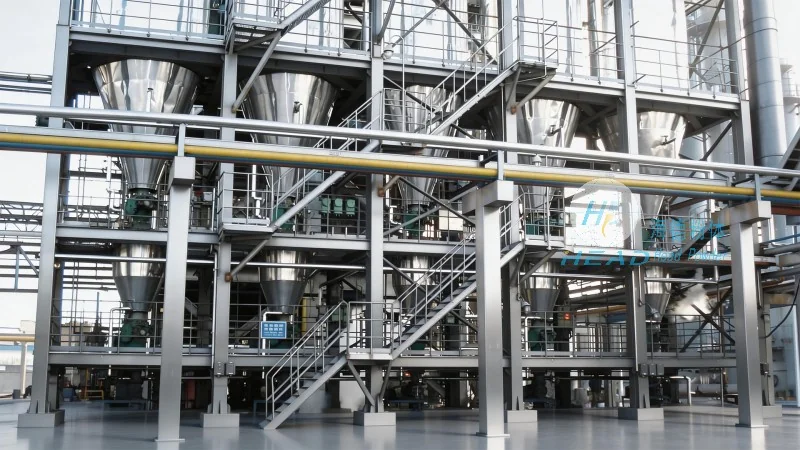
The operation of a pneumatic conveying line for sodium dithionite typically involves several key steps. First, the material is fed into a hopper or feeder, where it is prepared for transport. The feeder ensures a consistent flow of material into the system, preventing blockages and maintaining steady operation. Next, the material is drawn into a pipeline by a vacuum or pressure source, depending on the system design. The compressed air or gas then propels the material through the pipeline, carrying it to the destination point. At the receiving end, the material is deposited into a storage tank or processing unit. The system may also include filters and cyclones to separate any fine particles from the air, ensuring that the material is delivered in a clean state.
Working Principle of Pneumatic Conveying Systems for Sodium Dithionite
The working principle of a pneumatic conveying line is based on the principles of fluid dynamics and material transport. In a pressure system, compressed air is introduced into the pipeline, creating a pressure differential that moves the material forward. The air velocity is carefully controlled to ensure that the material particles are suspended and transported without causing excessive wear or damage to the equipment. In a vacuum system, a vacuum pump creates a low-pressure environment, drawing the material into the pipeline as it is fed from the source. The choice between pressure and vacuum systems depends on factors such as the distance to be covered, the material characteristics, and the desired flow rate.
Key Components of the Pneumatic Conveying Line
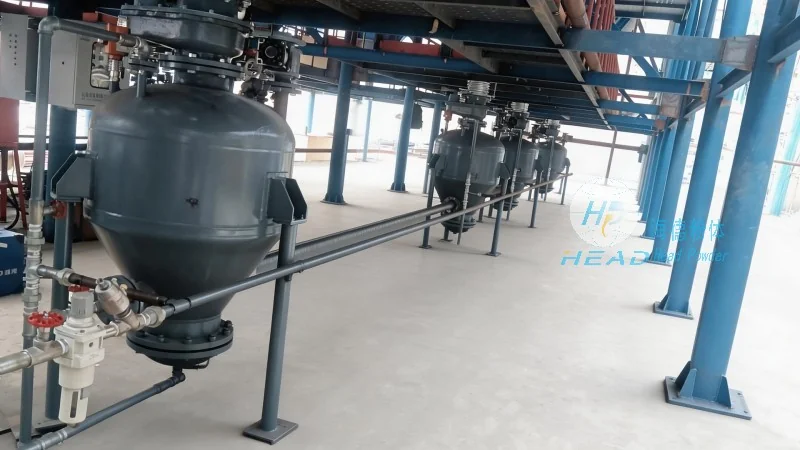
A typical pneumatic conveying line for sodium dithionite consists of several essential components. These include the hopper or feeder, which stores and feeds the material; the pipeline, which transports the material; the air compressor or vacuum pump, which provides the necessary pressure or vacuum; and the receiving hopper or tank, which collects the material at the end of the line. Additional components may include filters, cyclones, and valves to control the flow and ensure the system operates efficiently. Each component is designed to work in harmony, ensuring that the material is transported safely and effectively.
Advantages of Using Pneumatic Conveying for Sodium Dithionite
There are several advantages to using pneumatic conveying systems for sodium dithionite. First, the system offers a high degree of safety, as it minimizes the risk of dust explosions and exposure to harmful particles. This is particularly important for sodium dithionite, which can be a respiratory irritant if inhaled. Second, pneumatic conveying provides a clean and hygienic transfer process, which is crucial for maintaining product quality and meeting regulatory standards. Third, the system is highly efficient, with minimal downtime and low maintenance requirements. Additionally, it can be easily integrated into existing industrial processes, allowing for seamless operation and increased productivity.
Applications in Industrial Settings
Sodium dithionite is widely used in the pulp and paper industry, as well as in other sectors such as textiles and food processing. Pneumatic conveying systems are particularly well-suited for these applications due to their ability to handle bulk materials over long distances with minimal loss. In the pulp and paper industry, for example, sodium dithionite is used as a bleaching agent and a reducing agent. The pneumatic conveying line ensures that the material is delivered to the processing units in a controlled manner, maintaining the quality of the final product. In other industries, such as textiles, sodium dithionite is used as a dyeing agent, and the conveying system helps to ensure that the material is delivered to the dyeing equipment without any contamination.
Maintenance and Operational Considerations
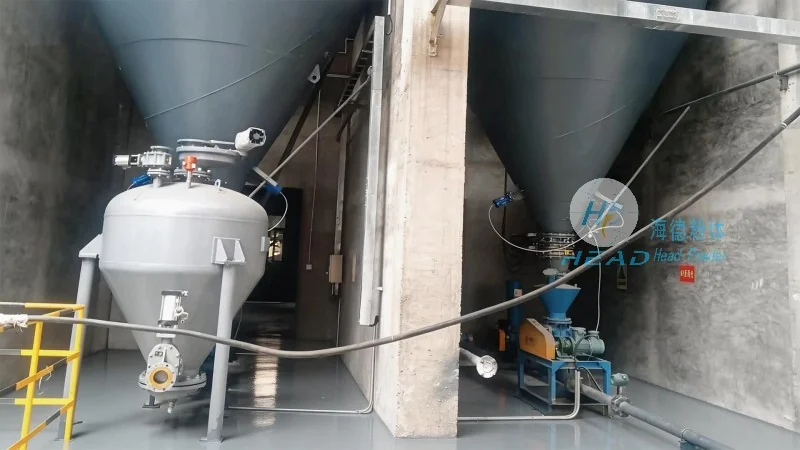
To ensure the long-term performance and reliability of a pneumatic conveying line for sodium dithionite, regular maintenance is essential. This includes cleaning the pipeline and components to prevent the buildup of material and dust, checking the air compressor or vacuum pump for proper operation, and inspecting the filters and cyclones for clogging. Additionally, it is important to monitor the system’s performance, such as the flow rate and pressure, to detect any issues early and prevent downtime. By following proper maintenance procedures, businesses can maximize the lifespan of their equipment and ensure consistent operation.
Conclusion
HeadPowder’s pneumatic conveying lines for sodium dithionite offer a reliable and efficient solution for material handling in various industrial applications. By understanding the operation process and working principles of these systems, businesses can make informed decisions about their material transport needs. With its commitment to quality and innovation, HeadPowder continues to provide cutting-edge engineering solutions that meet the evolving demands of the industry. Whether for short or long-distance transport, the pneumatic conveying line is an essential component for any business handling sodium dithionite materials.