

Operation Process and Working Principle of Food Powder Pneumatic Conveying Lines
Food powder pneumatic conveying lines are critical systems in the food processing industry, designed to transport bulk powders like flour, sugar, and other food ingredients efficiently and hygienically. These systems utilize air as the primary medium to move powders through a network of pipes, ensuring minimal contamination and maintaining product quality. The operation and working principles of such lines are essential for understanding their functionality and optimizing performance in food production facilities.
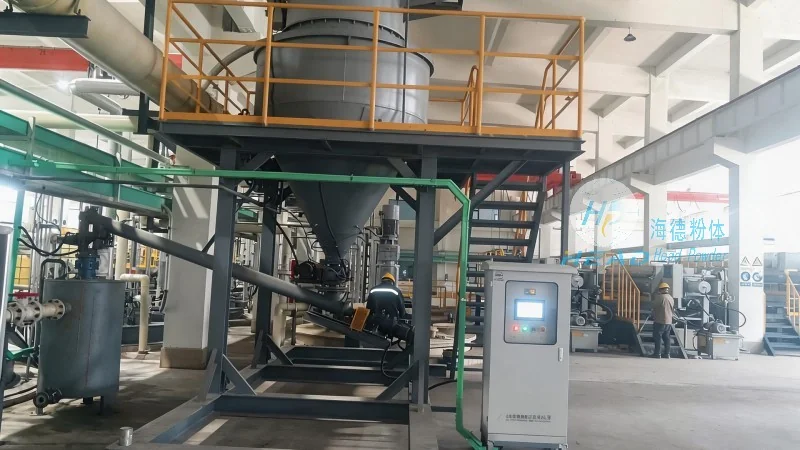
Company Information
HeadPowder, a leading manufacturer in the field, specializes in designing and supplying high-quality pneumatic conveying solutions tailored for the food industry. With a strong presence in Shandong, China, the company, Shandong HeadPowder Engineering Co., Ltd., has built a reputation for reliability and innovation in powder handling technology. Their expertise lies in creating systems that meet stringent hygiene standards while ensuring efficient material transport, making them a trusted partner for food processing enterprises.
Working Principle of Food Powder Pneumatic Conveying Lines
The core working principle of a food powder pneumatic conveying line is based on the use of compressed air to create a flow that transports the powder particles. This system typically consists of a blower or compressor that generates the necessary air pressure, a hopper or feeder that introduces the powder into the system, and a network of pipes that guide the material to its destination. The process involves creating a vacuum or pressure differential within the pipeline, which propels the powder particles along with the air stream. Key components include the airlock, which prevents backflow and maintains system pressure, and the cyclone separator, which separates the powder from the air at the receiving end, allowing the air to be recycled or vented safely.
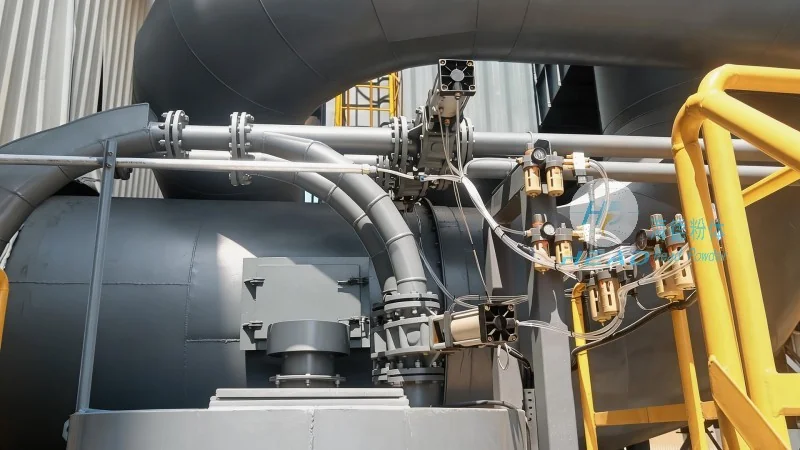
Operation Process of Food Powder Pneumatic Conveying Lines
The operation of a food powder pneumatic conveying line begins with the preparation of the system, ensuring all components are clean and properly assembled. The first step is to start the air compressor or blower, which establishes the air pressure required for conveying. Simultaneously, the feeder or hopper is activated to introduce the food powder into the system. As the powder enters the pipeline, it is carried by the high-velocity air stream, moving through the network of pipes to the target location, such as a silo, storage tank, or processing unit. The system continuously monitors air pressure and flow rates to maintain optimal performance, with control mechanisms adjusting the air volume as needed to handle varying powder loads. At the receiving end, the cyclone separator captures the powder, allowing the air to be filtered and recycled, reducing energy consumption and ensuring environmental compliance. The entire process is designed to be automated, with sensors and controls ensuring consistent and reliable operation, minimizing downtime and maximizing productivity in food processing operations.
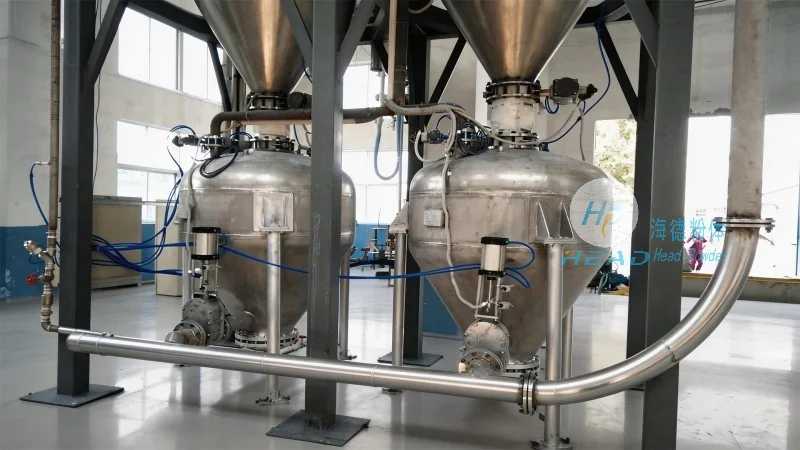
Key Features and Benefits
Food powder pneumatic conveying lines offer several advantages over traditional mechanical conveying methods. These systems provide a hygienic and dust-free environment, which is crucial for food products to prevent contamination and maintain quality standards. The enclosed pipeline design also reduces the risk of cross-contamination between different powders, enhancing product safety. Additionally, pneumatic conveying allows for flexible system layouts, as the pipes can be installed in various configurations to suit the facility's layout. The systems are also energy-efficient, as the air can be recycled and reused, reducing operational costs. Furthermore, the automated control systems enable precise control over the conveying process, ensuring consistent flow rates and minimizing material waste. These features make pneumatic conveying lines an ideal solution for food processing plants seeking to improve efficiency, maintain hygiene, and comply with regulatory requirements.
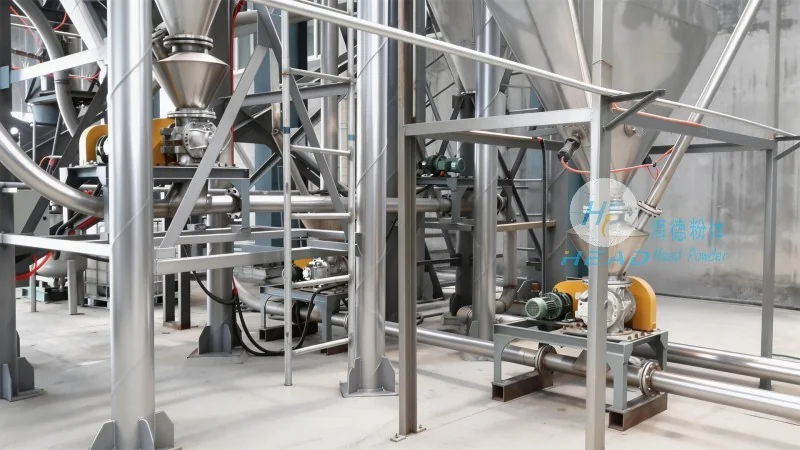
Applications in Food Industry
Food powder pneumatic conveying lines are widely used in various applications within the food industry. In flour mills, these systems efficiently transport wheat flour from storage silos to processing equipment, ensuring a continuous supply of raw material. In sugar refineries, they handle sugar powders, maintaining the purity and quality of the product. Similarly, in dairy processing plants, they convey milk powders and other dairy ingredients, ensuring hygienic handling and minimal product degradation. Other applications include the transport of spices, cocoa, and other flavorings in food manufacturing, where precise control over the powder flow is essential for maintaining product consistency. The versatility of pneumatic conveying lines makes them suitable for a wide range of food products, from dry powders to fine granules, making them a critical component in modern food processing operations.
Maintenance and Safety Considerations
Maintaining the performance and safety of food powder pneumatic conveying lines is essential for long-term operation. Regular maintenance includes cleaning the system to prevent powder buildup, inspecting the air compressor and blower for wear and tear, and checking the cyclone separator and filters for efficiency. Hygiene is a top priority, as any contamination can compromise the quality of food products. The system should be cleaned thoroughly after each use, especially when handling different types of powders, to prevent cross-contamination. Safety considerations include ensuring proper ventilation to remove dust and fumes, using explosion-proof components in areas where flammable powders are handled, and implementing emergency stop mechanisms to prevent accidents. Regular training for operators on proper system operation and maintenance is also crucial to ensure safe and efficient operation. By adhering to these maintenance and safety practices, food processing facilities can maximize the lifespan of their pneumatic conveying systems and maintain compliance with industry standards.