

Operation Process and Working Principle of Corn Kernels Powder Pneumatic Conveying Line
For industrial applications involving the transport of corn kernels as a powder or granular material, pneumatic conveying systems offer efficient and reliable solutions. The operation process and working principle of a corn kernels powder pneumatic conveying line are critical to understanding its functionality and effectiveness in material handling. This article provides a detailed overview of how such systems operate, emphasizing the technical aspects and practical considerations for optimal performance. Manufactured by Shandong HeadPowder Engineering Co., Ltd., a leading provider of bulk material handling solutions, these systems are designed to meet the specific needs of the agricultural and food processing industries. Headquartered in Shandong, China, the company leverages local expertise and advanced technology to deliver high-quality pneumatic conveying systems tailored to customer requirements.
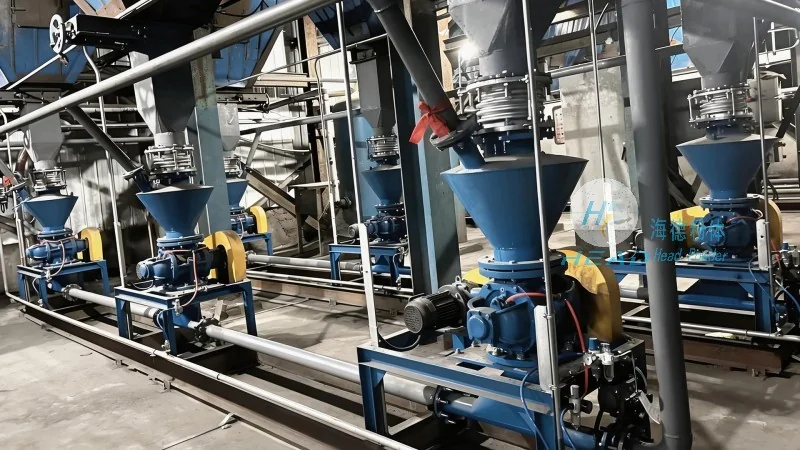
Overview of Corn Kernels Powder Pneumatic Conveying Systems
A corn kernels powder pneumatic conveying line is a type of bulk material handling system that uses compressed air or other gases to transport corn kernels from a source to a destination. These systems are widely used in the agricultural and food processing industries due to their ability to handle delicate materials like corn kernels without causing damage or degradation. The system typically consists of several key components, including a hopper, a conveyor line, a control system, and a dust collection unit. Each component plays a crucial role in the overall operation of the conveying line.
Key Components and Their Functions
The core components of a corn kernels powder pneumatic conveying line include the hopper, which serves as the storage and feeding device for the corn kernels. The hopper is designed to maintain a consistent flow of material into the conveyor line, preventing blockages and ensuring smooth operation. The conveyor line itself is the main pathway for transporting the corn kernels, often consisting of a series of pipes or ducts that guide the material from the hopper to the discharge point. Compressed air is introduced into the system through a blower or compressor, creating a pressure differential that propels the corn kernels through the pipes. The control system monitors and regulates the flow of air and material, ensuring that the conveying process is efficient and safe. Additionally, a dust collection unit is integrated to capture any airborne particles, maintaining air quality and compliance with environmental regulations.
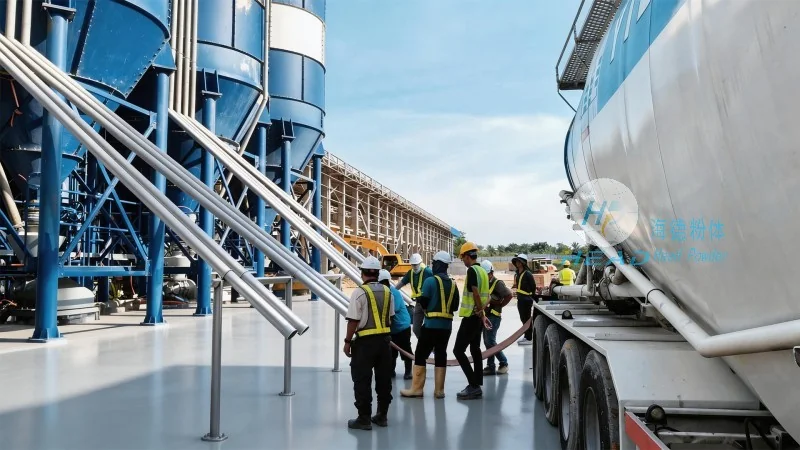
Operation Process of the Pneumatic Conveying Line
The operation process of a corn kernels powder pneumatic conveying line begins with the loading of corn kernels into the hopper. The hopper is equipped with a feeder mechanism, such as a rotary valve or a screw conveyor, which controls the rate at which material is released into the conveyor line. As the compressed air is activated, it creates a negative pressure or positive pressure within the pipes, depending on the system design. In a negative pressure system, air is drawn through the conveyor line, pulling the corn kernels along with it. In a positive pressure system, air is forced through the pipes, pushing the material forward. The corn kernels are carried by the air stream, moving through the pipes until they reach the discharge point, where they are deposited into a storage bin or processing unit. The control system continuously monitors the pressure, flow rate, and material level, adjusting the air supply as needed to maintain optimal conveying conditions.
Working Principle of the System
The working principle of a corn kernels powder pneumatic conveying line is based on the principles of fluid dynamics and particle transport. When compressed air is introduced into the system, it creates a flow of air that interacts with the corn kernels, causing them to be entrained and transported. The velocity of the air stream must be sufficient to overcome the gravitational force acting on the corn kernels and any frictional resistance within the pipes. The system design, including pipe diameter, length, and the angle of inclination, significantly affects the conveying efficiency and energy consumption. Proper design ensures that the corn kernels are conveyed at a consistent speed, minimizing the risk of material degradation or blockages. The control system plays a vital role in maintaining the optimal air pressure and flow rate, which directly impacts the conveying capacity and overall performance of the system.
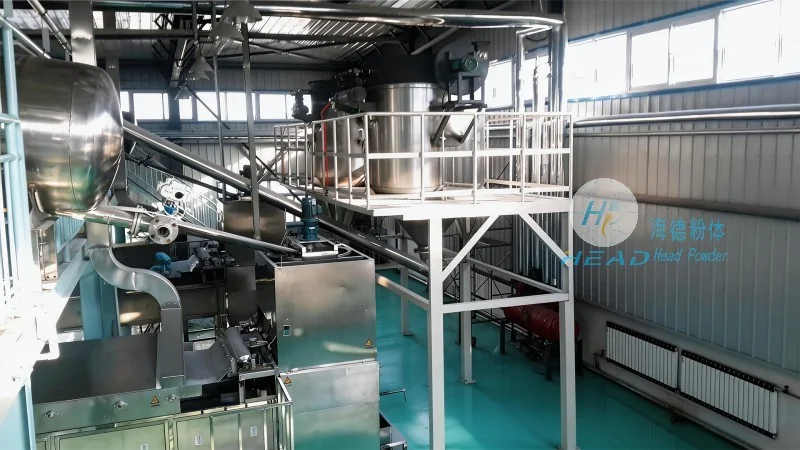
Technical Considerations for Optimal Performance
Several technical considerations are essential for ensuring the efficient operation of a corn kernels powder pneumatic conveying line. The selection of the appropriate air velocity is critical, as too low a velocity may result in material settling or blockages, while too high a velocity can cause excessive wear on the pipes and increase energy consumption. The pipe material and diameter must be chosen to withstand the abrasive nature of corn kernels and the pressure of the air stream. Regular maintenance of the system, including cleaning of the pipes and replacement of worn components, is necessary to prevent clogging and ensure long-term reliability. Additionally, the integration of a dust collection system is important for maintaining air quality and complying with environmental regulations, as corn kernels can generate fine particles during the conveying process.
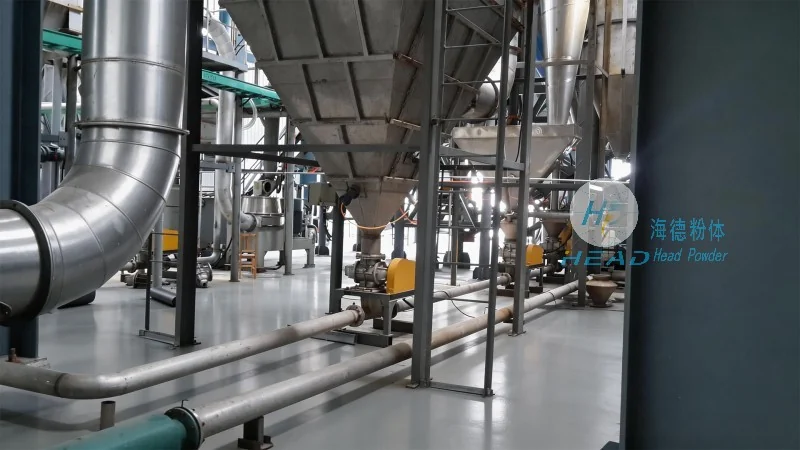
Applications and Benefits
Corn kernels powder pneumatic conveying lines are widely used in various industrial applications, including food processing, animal feed production, and agricultural storage. The benefits of using such systems include improved material handling efficiency, reduced labor costs, and enhanced safety compared to traditional methods like manual handling or mechanical conveyors. The ability to transport corn kernels in a closed system also minimizes contamination and exposure to environmental factors, ensuring product quality and consistency. Furthermore, the flexibility of pneumatic conveying systems allows for easy integration with other processing equipment, such as mills or dryers, enabling seamless material flow throughout the production process.
Conclusion
In conclusion, the operation process and working principle of a corn kernels powder pneumatic conveying line are complex but essential for efficient material handling in industrial applications. The system's design and components are carefully engineered to ensure optimal performance, reliability, and safety. By understanding the key components, operation process, and technical considerations, users can select and operate a pneumatic conveying line that meets their specific needs and enhances overall production efficiency. The continuous advancements in pneumatic conveying technology further improve the performance and versatility of these systems, making them an increasingly popular choice for corn kernel processing and other bulk material handling applications.