

Operation Process and Working Principle of Dust Material Conveying Systems
HeadPowder, a leading provider in the field, specializes in the design, manufacturing, and installation of efficient dust material conveying systems. These systems are crucial for industries dealing with bulk materials, ensuring safe and reliable transportation of powders and granules. The following content outlines the operational process and working principles of such systems, highlighting key components and their functions.
Key Components of Dust Material Conveying Systems
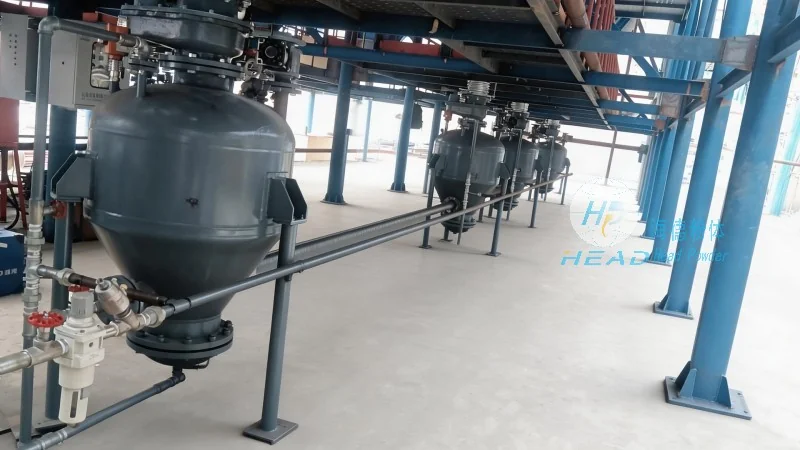
HeadPowder's dust material conveying systems are built with a range of essential components that work in harmony to ensure efficient material transport. The primary components include the material hopper, which serves as the storage vessel for bulk materials, ensuring a consistent supply to the subsequent stages. The feeder, typically a rotary valve or screw feeder, regulates the material flow rate into the conveyor, preventing overloading and maintaining system stability. The conveyor itself is the central element, responsible for moving the material through the system. Pneumatic conveyors utilize compressed air to create a pressure differential, drawing the material into the pipeline. Mechanical conveyors, such as screw or belt conveyors, rely on mechanical force to transport the material. The control panel manages the system's operation, allowing for real-time adjustments to flow rates, pressure, and other parameters. Finally, the discharge outlet delivers the material to its final destination, completing the process. Each component is carefully designed and integrated to ensure optimal performance and reliability.
Operation Process of Dust Material Conveying Systems
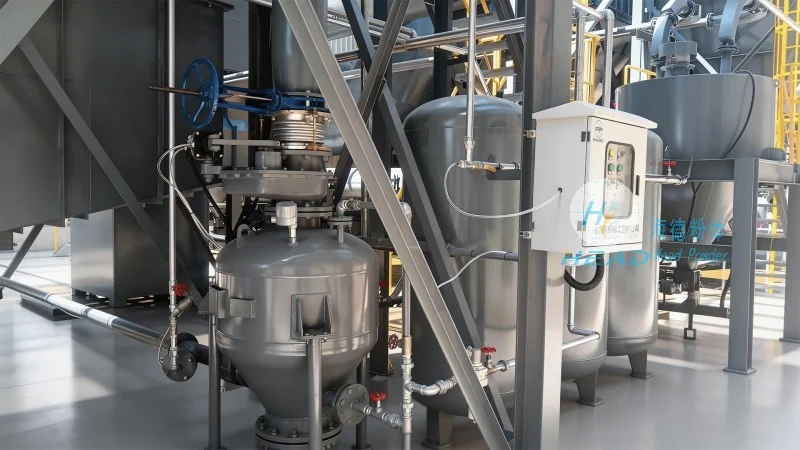
The operational process of a dust material conveying system begins with the loading of bulk material into the material hopper. The feeder then activates, controlling the material flow into the conveyor. The conveyor system starts, transporting the material through the pipeline. The control panel monitors the system's performance, adjusting parameters as needed to maintain optimal operation. The material is then discharged from the outlet, completing the cycle. This process is designed to be continuous, with minimal downtime, ensuring efficient material handling. The system operates in a closed loop, with the material moving from the hopper to the outlet without interruption. Regular maintenance and monitoring are essential to ensure the system runs smoothly and efficiently. HeadPowder's systems are engineered to minimize downtime and maximize productivity, supporting the operational needs of industrial clients.
Working Principle of Dust Material Conveying Systems
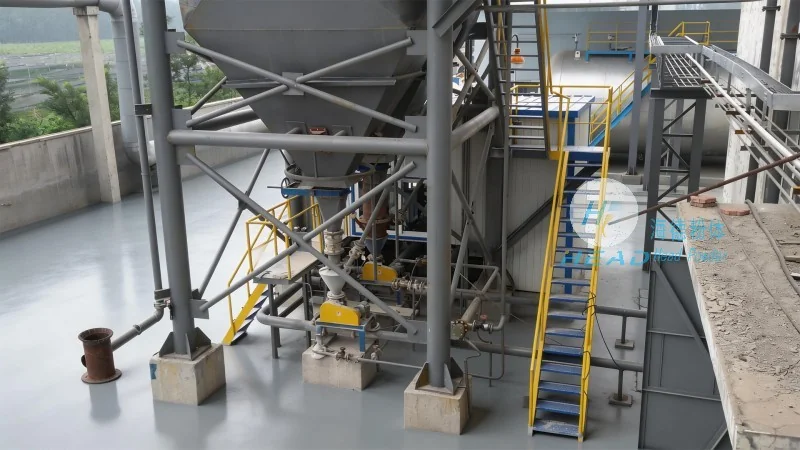
The working principle of a dust material conveying system varies based on the type of conveyor used. For pneumatic systems, the process involves creating a pressure differential between the inlet and outlet. Compressed air is introduced into the system, drawing the material into the pipeline. The air and material mixture travels through the system, with the air providing the necessary force to move the material. The material is separated from the air at the discharge point, often using a cyclone separator or filter. This separation process ensures that the material is delivered to its destination while the air is recirculated or vented. For mechanical conveyors, such as screw conveyors, the principle involves the rotation of a screw within a tube. The screw pushes the material forward, similar to an auger, ensuring consistent transportation. The speed of the screw and the angle of the tube can be adjusted to control the flow rate and pressure within the system. Mechanical systems are generally more suitable for transporting dry, free-flowing materials, while pneumatic systems are ideal for materials that are dusty or require airtight handling.
Benefits and Applications of Dust Material Conveying Systems
Dust material conveying systems offer significant benefits to industries, including enhanced safety, reduced labor costs, and improved operational efficiency. By transporting materials in a closed system, these systems minimize dust emissions, creating a safer working environment and reducing the risk of respiratory issues among workers. The automated operation reduces the need for manual handling, lowering labor costs and the risk of workplace injuries. Additionally, the continuous operation of the system ensures a steady supply of materials, improving production efficiency and reducing bottlenecks. These systems are widely used in industries such as mining, where bulk ore is transported from mines to processing facilities; food processing, where grains and powders are moved between production stages; pharmaceuticals, where raw materials are handled with precision and hygiene; and chemical manufacturing, where various powders and granules are processed. HeadPowder's systems are tailored to meet the specific requirements of these industries, ensuring reliable and efficient material handling.
Conclusion
HeadPowder Engineering Co., Ltd., a leading manufacturer based in Shandong, China, specializes in the design and production of dust material conveying systems. The company's commitment to quality and innovation ensures that its systems meet the highest standards of performance and reliability. By understanding the operational process and working principles of these systems, industries can leverage them to enhance their material handling capabilities and overall productivity. The key components, such as the material hopper, feeder, conveyor, and control panel, work together to create a seamless and efficient system. Regular maintenance and proper operation are essential to maximize the lifespan and efficiency of the system. HeadPowder's expertise in the field makes it a trusted partner for industries seeking reliable dust material conveying solutions.