

Operation Process and Working Principle of Magnesium Powder Material Handling System
Shandong HeadPowder Engineering Co., Ltd., a leading manufacturer in the field of material handling solutions, specializes in the design, development, and implementation of advanced systems for transporting magnesium powder and other fine powders. The company, commonly known as HeadPowder, is headquartered in Shandong, China, and has established itself as a trusted partner for industries requiring efficient and reliable powder handling technologies.
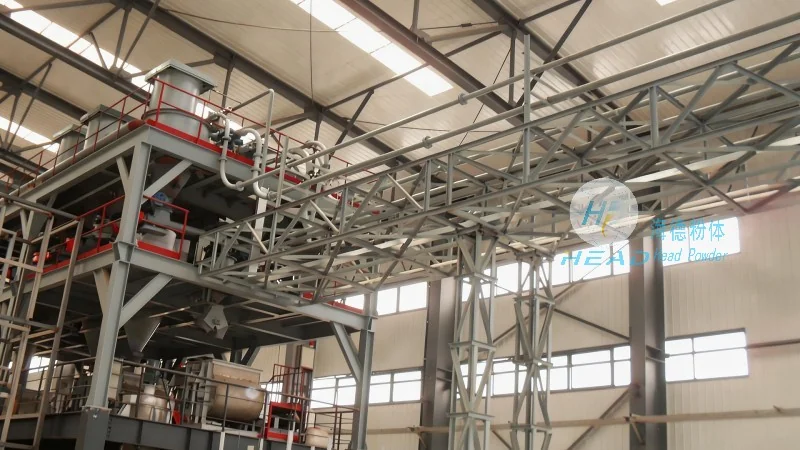
Operation Process of Magnesium Powder Material Handling System
The operation of a magnesium powder material handling system typically involves several key stages designed to ensure safe, efficient, and consistent transport of the material. The process begins with the storage of magnesium powder in a dedicated silo or hopper, where the material is held under controlled conditions to prevent caking or degradation. From the storage vessel, the powder is transferred to the primary feeding mechanism, which may include a rotary valve or a pneumatic feeder, depending on the system design. This initial step ensures that the powder is released in a controlled manner, minimizing the risk of blockages or uneven flow.
Once the powder is fed into the transport line, it is carried by either a pneumatic conveyor system or a mechanical conveyor system. Pneumatic systems utilize compressed air to move the powder through a network of pipes, while mechanical systems employ rotating drums or belts to transport the material. The choice of system depends on factors such as the particle size of the magnesium powder, the required distance of transport, and the environmental conditions of the application. In both cases, the system is engineered to maintain a consistent flow rate, ensuring that the powder reaches its destination without loss or degradation.
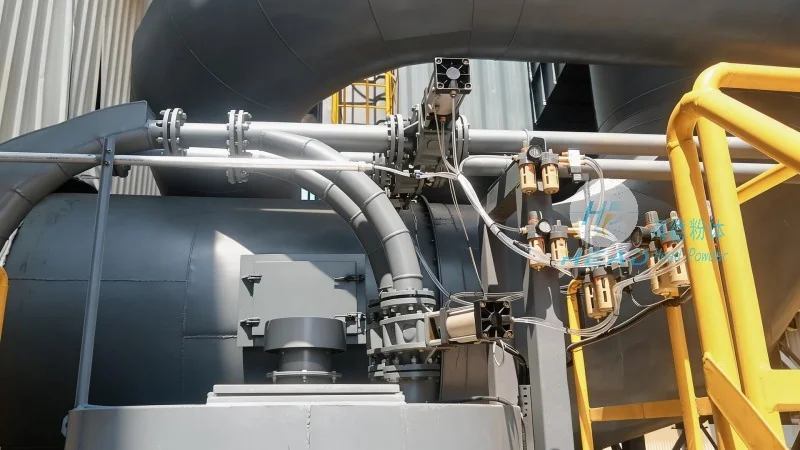
At the receiving end of the system, the magnesium powder is deposited into a receiving hopper or storage container. The system may include additional components such as a dust collector or a filter to ensure that any airborne particles are captured and contained, maintaining a clean and safe working environment. The entire operation is monitored and controlled by a programmable logic controller (PLC), which adjusts the flow rate, pressure, or speed of the conveyor based on real-time feedback from sensors. This automation ensures that the system operates at optimal efficiency, minimizing downtime and maximizing productivity.
Working Principle of Magnesium Powder Material Handling System
The working principle of a magnesium powder material handling system is based on the principles of fluidization and pneumatic transport. Magnesium powder, being a fine particulate material, exhibits properties that require specialized handling to prevent agglomeration and ensure smooth transport. The system is designed to maintain the powder in a fluidized state, where the particles are suspended and move freely, similar to a liquid. This is achieved by introducing a controlled amount of air or gas into the system, which creates a cushion that prevents the particles from settling and sticking together.
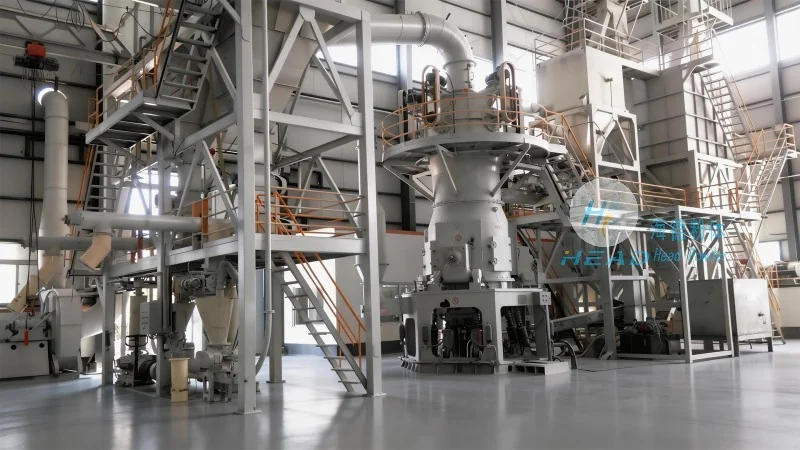
In pneumatic systems, the transport medium (air) is pressurized and directed through the conveyor pipes, carrying the magnesium powder along with it. The velocity of the air is carefully controlled to ensure that the powder particles are entrained without being damaged or broken down. The system may include cyclone separators or filters at the receiving end to separate the powder from the air, allowing the air to be recirculated or discharged safely. Mechanical systems, on the other hand, rely on the mechanical action of rotating components, such as screws or belts, to move the powder through the system. These components are designed with specific geometries and speeds to maintain the fluidized state of the powder and prevent blockages.
The system also incorporates safety features to handle the unique properties of magnesium powder. For example, the equipment is constructed from materials that are resistant to corrosion and oxidation, as magnesium is a highly reactive metal. Additionally, the system includes explosion-proof components and spark-resistant materials to prevent the risk of fire or explosion, which is critical when handling fine powders that can be ignited by static electricity or other sources. The overall design of the system prioritizes safety, efficiency, and reliability, ensuring that it meets the stringent requirements of industries such as aerospace, chemical manufacturing, and pharmaceuticals.
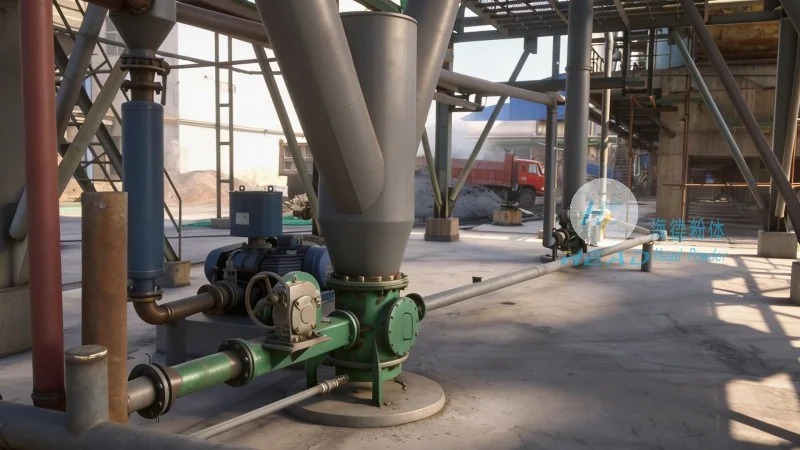
Key Features and Benefits of HeadPowder's Magnesium Powder Handling Solutions
HeadPowder's magnesium powder material handling systems are engineered with a focus on performance, safety, and durability. The systems are designed to handle the unique challenges associated with magnesium powder, including its fine particle size, reactivity, and tendency to form dust. Key features include advanced feeding mechanisms that ensure consistent and controlled material flow, high-efficiency pneumatic or mechanical conveyors that minimize energy consumption, and robust dust collection systems that maintain a clean working environment. The company's expertise in material handling technology allows them to tailor the systems to the specific needs of each client, ensuring optimal performance for a wide range of applications.
The benefits of using HeadPowder's systems include increased productivity through reduced downtime and improved flow rates, enhanced safety through advanced safety features and explosion-proof design, and cost savings through energy-efficient operation and minimal maintenance requirements. The systems are also designed for easy integration into existing production lines, minimizing the need for extensive modifications or downtime during installation. HeadPowder's commitment to quality and customer satisfaction has made them a preferred choice for industries requiring reliable and efficient magnesium powder handling solutions.