

Operation Process and Working Principle of Flake Caustic Soda Material Handling Systems
Flake caustic soda, also known as flake sodium hydroxide, is a widely used industrial chemical. The efficient handling and transportation of this material are crucial for various industrial applications. This article provides a detailed overview of the operation process and working principle of a flake caustic soda material handling system, highlighting the key components and the systematic approach to ensure safe and effective operation. The system is designed and manufactured by Shandong HeadPowder Engineering Co., Ltd., a leading provider of industrial material handling solutions based in China.
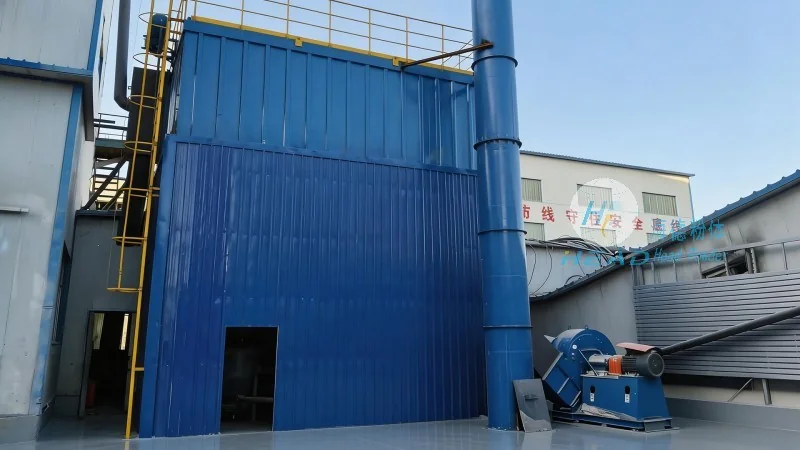
Introduction to Flake Caustic Soda Material Handling Systems
Flake caustic soda is typically produced in large quantities and needs to be transported from production facilities to storage or processing sites. The material handling system designed for flake caustic soda must address several challenges, including its corrosive nature, high reactivity, and the need for precise control to prevent accidents or material loss. A well-designed system ensures that the material is handled safely, efficiently, and in compliance with industrial standards.
Key Components of the Material Handling System
The flake caustic soda material handling system typically consists of several interconnected components that work together to facilitate the movement of the material. These components include:
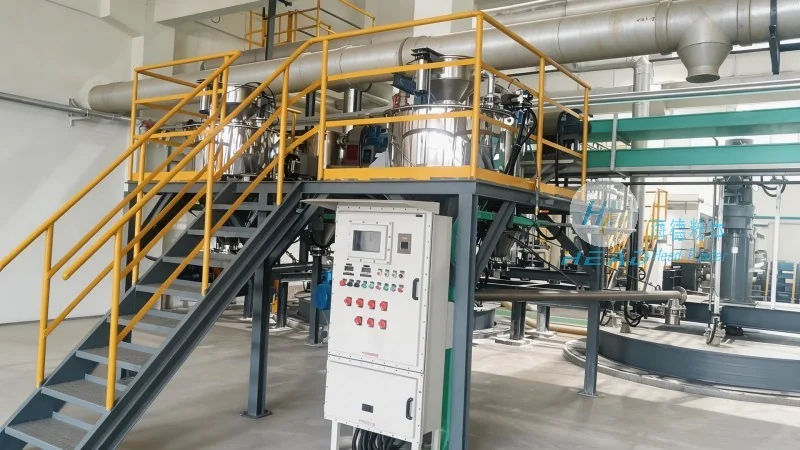
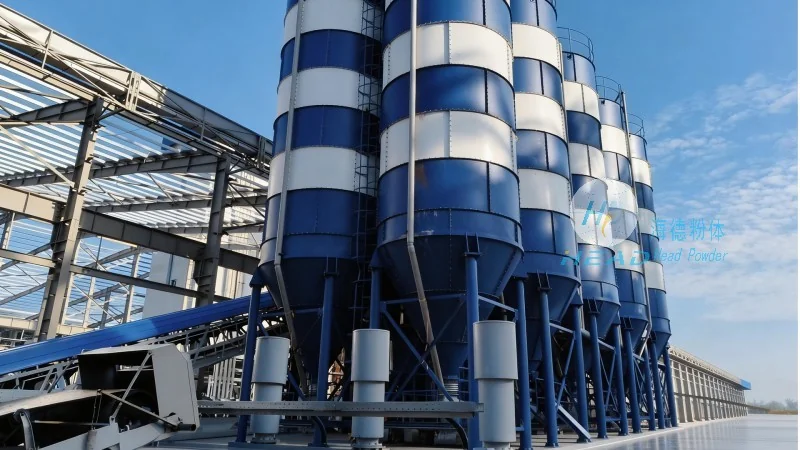
- Storage Silos: Large storage silos are used to store the flake caustic soda before it is transported. These silos are usually made of corrosion-resistant materials such as stainless steel or lined with protective coatings to prevent chemical damage.
- Conveying Equipment: Conveyors, such as belt conveyors or screw conveyors, are used to move the flake caustic soda from the storage silos to the processing or packaging areas. The choice of conveyor type depends on the specific requirements of the application, including the material's characteristics and the distance to be covered.
- Pneumatic Conveying Systems: In some cases, pneumatic conveying systems are used to transport the flake caustic soda, especially for longer distances or when the material needs to be transferred to multiple locations. These systems use air pressure to move the material through a pipeline.
- Feeding and Dosing Equipment: Proper feeding and dosing equipment is essential to control the flow rate of the flake caustic soda. This equipment ensures that the material is delivered at the correct rate, preventing overloading or underloading of downstream processes.
- Control Systems: Advanced control systems are integrated into the material handling system to monitor and regulate the operation. These systems include sensors, controllers, and software that provide real-time data on the material flow, temperature, and pressure, ensuring safe and efficient operation.
Operation Process of the Material Handling System
The operation process of the flake caustic soda material handling system involves several steps, each carefully designed to ensure the safe and efficient movement of the material. The process typically starts with the loading of the flake caustic soda into the storage silos. The material is then transferred from the silos to the conveying equipment using the appropriate method, such as gravity or mechanical feeding.
The conveying equipment moves the flake caustic soda to the processing or packaging areas. During this process, the material is monitored for any signs of blockages or irregularities. If any issues are detected, the control system automatically adjusts the operation to prevent damage to the equipment or the material.
Once the flake caustic soda reaches the processing or packaging area, it is further processed or packaged according to the specific requirements of the application. The control system continues to monitor the entire process, ensuring that the material is handled safely and efficiently throughout the entire operation.
Working Principle of the Material Handling System
The working principle of the flake caustic soda material handling system is based on the systematic integration of various components and the application of advanced control technologies. The system operates by using the appropriate conveying equipment to move the material from the storage silos to the processing or packaging areas. The control system plays a critical role in regulating the operation, ensuring that the material is delivered at the correct rate and under the appropriate conditions.
The system is designed to be flexible and adaptable to different industrial applications. It can be customized to meet the specific requirements of the user, including the material's characteristics, the distance to be covered, and the processing needs. The use of corrosion-resistant materials and advanced control systems ensures that the system is durable, reliable, and safe to operate.
Benefits of an Efficient Flake Caustic Soda Material Handling System
An efficient flake caustic soda material handling system offers several benefits to industrial users. These benefits include improved safety, reduced material loss, increased operational efficiency, and lower maintenance costs. The system also helps to ensure compliance with industrial standards and regulations, reducing the risk of accidents or legal issues.
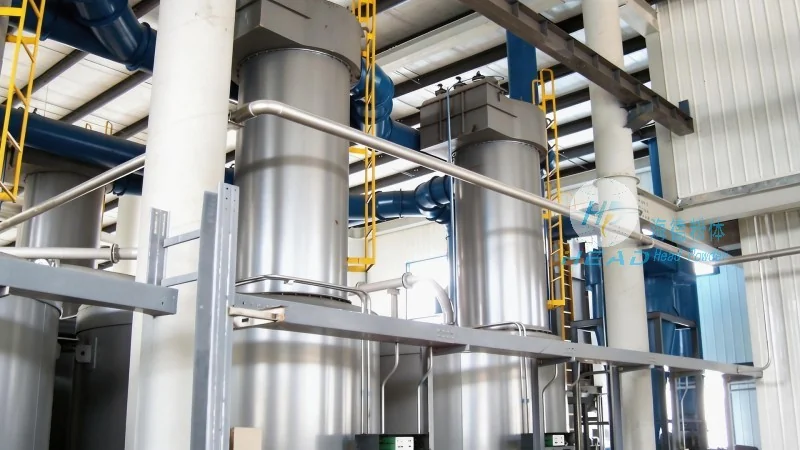
By investing in a well-designed flake caustic soda material handling system, industrial users can improve their overall productivity and profitability. The system's ability to handle the material safely and efficiently ensures that the production process runs smoothly, minimizing downtime and maximizing output.
Conclusion
In conclusion, the operation process and working principle of a flake caustic soda material handling system are critical to the efficient and safe handling of this important industrial chemical. The system's design and operation are based on the integration of key components and advanced control technologies, ensuring that the material is handled safely and efficiently throughout the entire process. With the right system in place, industrial users can improve their productivity, reduce costs, and ensure compliance with industry standards.