

Operation Process and Working Principle of Clay Powder Conveying Machine
Clay powder conveying machines are essential equipment in various industrial applications, particularly in the processing of clay materials for manufacturing, construction, and other sectors. These machines are designed to efficiently transport clay powder from one location to another, ensuring consistent flow and minimizing material loss. The operation and working principles of such equipment are crucial for optimizing production efficiency and maintaining product quality.
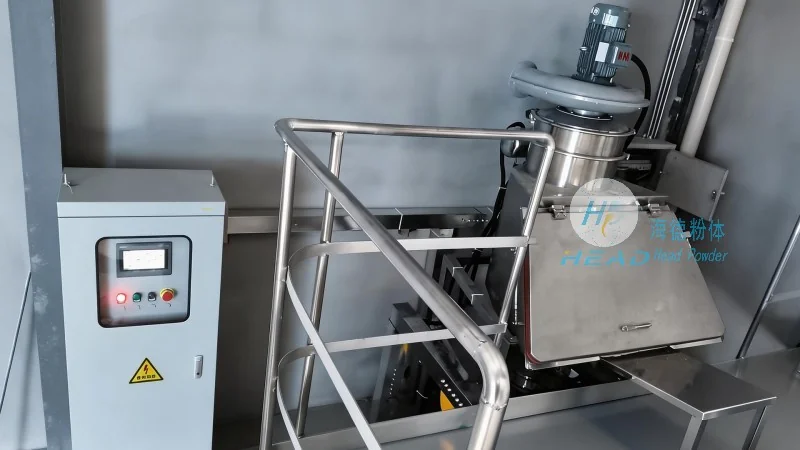
Company Overview: Shandong HeadPowder Engineering Co., Ltd.
HeadPowder, a leading manufacturer in the field of powder handling equipment, specializes in the design, development, and production of high-quality clay powder conveying machines. With a strong commitment to innovation and customer satisfaction, the company has established itself as a trusted partner for industries relying on reliable powder transport solutions. HeadPowder's headquarters is located in Shandong, China, where the company leverages advanced technology and skilled engineering expertise to deliver superior products.
Key Components and Structure of Clay Powder Conveying Machines
Clay powder conveying machines typically consist of several key components that work in harmony to ensure smooth operation. The main parts include a hopper for material storage, a conveyor system (such as a screw or pneumatic conveyor), a control panel for operation, and a discharge outlet for the transported material. The hopper is designed to hold a sufficient quantity of clay powder, preventing material buildup and ensuring a steady feed to the conveyor. The conveyor system is responsible for moving the powder through the machine, utilizing either mechanical force (in screw conveyors) or air pressure (in pneumatic conveyors). The control panel allows operators to adjust parameters like speed, pressure, and flow rate, enabling precise control over the conveying process. The discharge outlet facilitates the release of the processed clay powder into the next stage of production or storage.
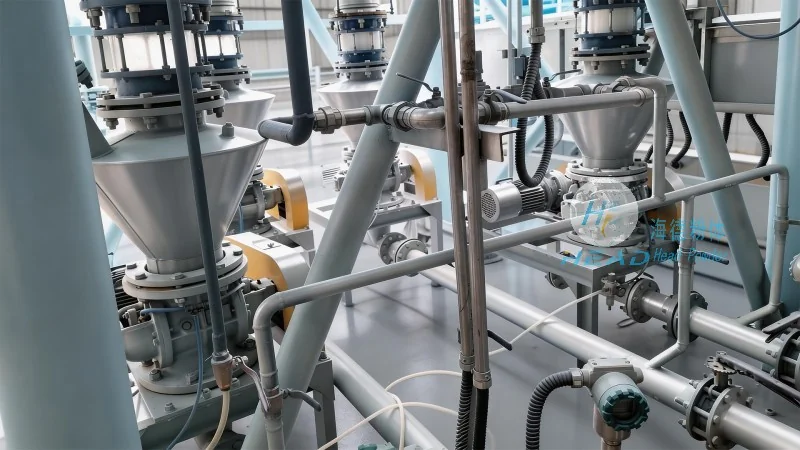
The Operation Process of Clay Powder Conveying Machines
The operation process of a clay powder conveying machine involves several sequential steps that ensure efficient material transport. First, the clay powder is fed into the hopper from the source material, such as a storage silo or a production line. The hopper then delivers the material to the conveyor system at a controlled rate. In a screw conveyor, the rotating screw pushes the powder forward through the conveyor tube, while in a pneumatic conveyor, compressed air forces the powder through the system. The conveyor system transports the powder to the discharge outlet, where it is collected and directed to the next process or storage area. Throughout the operation, the control panel monitors key parameters like pressure, flow rate, and temperature to maintain optimal performance. Operators can adjust these settings as needed to adapt to changes in material characteristics or production demands. The entire process is designed to be continuous and automated, minimizing manual intervention and maximizing throughput.
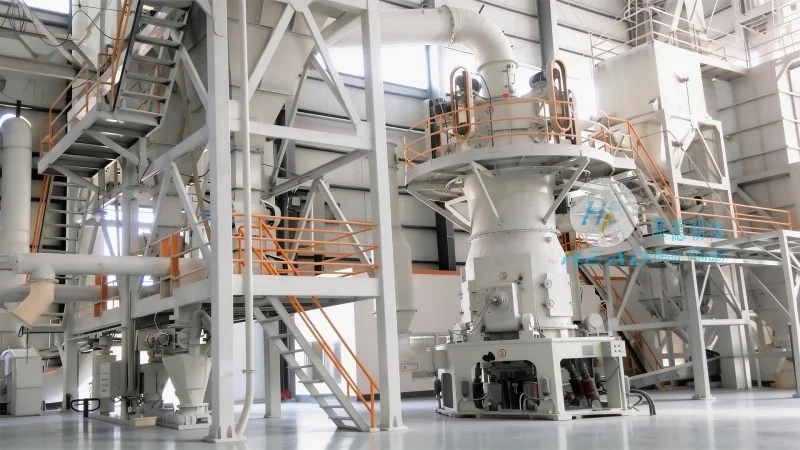
Working Principle of Clay Powder Conveying Machines
The working principle of clay powder conveying machines is based on the physical properties of the material and the mechanical or pneumatic forces applied to it. For mechanical conveyors, such as screw conveyors, the principle involves the use of a rotating screw to move the powder along the conveyor path. The screw's helical design creates a continuous flow, pushing the material forward as it rotates. The speed of the screw and the pitch of the helix determine the conveying capacity and the pressure exerted on the material. In pneumatic conveyors, the principle relies on compressed air to transport the powder. The air is introduced into the system, creating a flow that carries the powder particles through the pipeline. The pressure and flow rate of the air are carefully controlled to ensure efficient transport without causing material degradation or blockages. Both types of conveyors are designed to handle fine to medium-sized clay powders, with the ability to maintain consistent flow rates and prevent material segregation or caking. The working principle also incorporates safety features, such as pressure relief valves and overload protection, to prevent equipment damage and ensure operator safety.
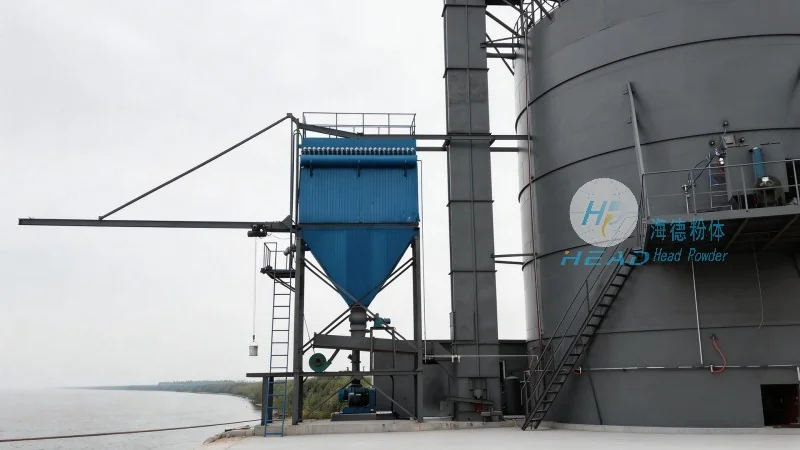
Benefits and Applications of Clay Powder Conveying Machines
Clay powder conveying machines offer numerous benefits to industries that handle clay materials. These include improved efficiency in material transport, reduced labor costs due to automated operation, and enhanced product quality through consistent flow and minimal material loss. The machines are widely used in the ceramics industry, where clay is a primary raw material for making pottery, tiles, and other ceramic products. In the construction industry, clay powder is used in the production of bricks, cement, and other building materials. Additionally, the machines are utilized in the chemical and pharmaceutical sectors for processing clay-based products. The adaptability of these machines to different material types and production scales makes them a versatile solution for various industrial needs. By optimizing the conveying process, companies can achieve higher productivity, lower operational costs, and better control over their production lines.
Conclusion and Company Commitment
Clay powder conveying machines are indispensable equipment for industries relying on the efficient transport of clay materials. The operation process and working principles of these machines are designed to ensure reliable and consistent performance, contributing to improved productivity and product quality. Shandong HeadPowder Engineering Co., Ltd. remains committed to providing high-quality clay powder conveying machines that meet the evolving needs of its customers. With a focus on innovation and customer satisfaction, HeadPowder continues to advance the technology of powder handling equipment, ensuring that its products remain at the forefront of industrial applications. By leveraging advanced engineering and manufacturing capabilities, the company aims to deliver solutions that enhance operational efficiency and support the growth of its clients in the global market.