

Operation Process and Working Principle of Phosphate Iron Pneumatic Conveying System
Phosphate iron, a vital component in the production of iron and steel, demands efficient and reliable transportation to maintain seamless industrial workflows. The pneumatic conveying system, specifically engineered for phosphate iron, provides a solution that combines high efficiency with minimal material degradation. This article explores the operation process and working principle of such systems, emphasizing their role in modern industrial applications and the technological advancements that have enhanced their performance.
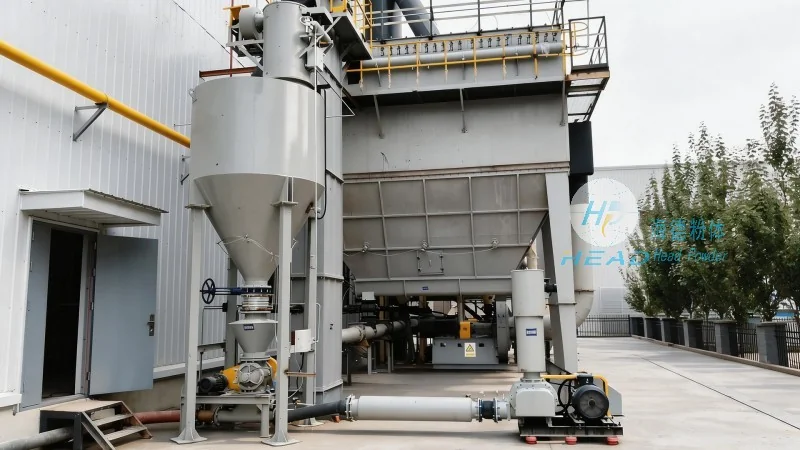
Core Components and Their Functions
The phosphate iron pneumatic conveying system comprises several essential components that collaborate to achieve effective material transport. The material hopper serves as the storage unit, holding the phosphate iron in a controlled environment. The air compressor is the heart of the system, generating the necessary high-pressure air to initiate the conveying process. The conveying line, typically made of durable materials like stainless steel or special alloys, transports the phosphate iron particles. The dust collector is integrated to capture any airborne particles, ensuring environmental compliance and maintaining air quality. Each component is carefully selected and designed to handle the specific properties of phosphate iron, such as its density, particle size distribution, and potential for dust generation.
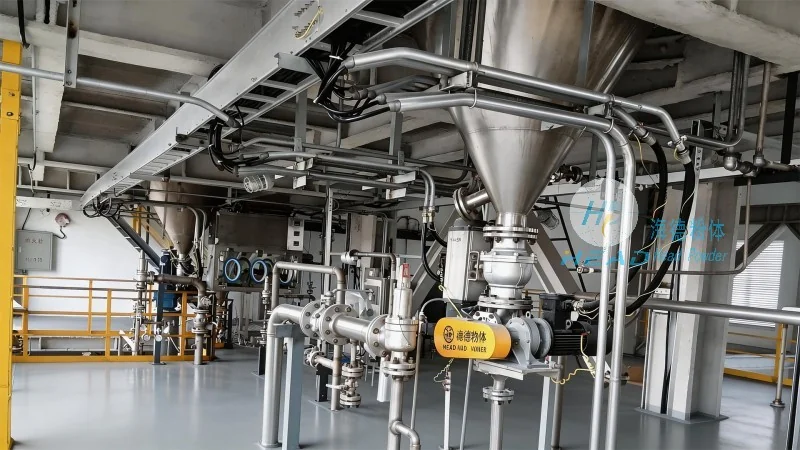
Step-by-Step Operation Process
The operation of the phosphate iron pneumatic conveying system begins with the loading of phosphate iron into the material hopper. Once the hopper is filled to the desired level, the air compressor is activated, producing a high-pressure air stream. This air stream is then introduced into the conveying line, where it lifts and transports the phosphate iron particles. The system operates on a pressure differential principle: the high-pressure air at the hopper end creates a vacuum at the receiving end, drawing the material through the line. The conveying line may include bends, vertical sections, and expansion joints, which are engineered to minimize material impact and prevent blockages. At the receiving end, the phosphate iron is deposited into the target container, completing the transport cycle. The system may also include a control panel that monitors pressure, flow rate, and other parameters, allowing for real-time adjustments to optimize performance.
Working Principle Explained
The working principle of the phosphate iron pneumatic conveying system is based on the fundamental concept of air as a conveying medium. The system utilizes the kinetic energy of the air stream to suspend and move the phosphate iron particles. When the air compressor produces high-pressure air, it creates a pressure differential between the hopper and the receiving end. This pressure differential forces the phosphate iron to be drawn into the conveying line, where it is suspended by the air flow. The system can operate in different modes, such as dilute phase or dense phase, depending on the material characteristics and the required transport distance. Dilute phase conveying is suitable for short distances and low material loads, where the material is suspended in the air stream. Dense phase conveying, on the other hand, is used for longer distances and higher material loads, where the material is transported in a slurry-like state, reducing the risk of blockages and ensuring better control over material flow. The working principle ensures that the phosphate iron is transported efficiently and with minimal degradation, making the system ideal for industrial applications.
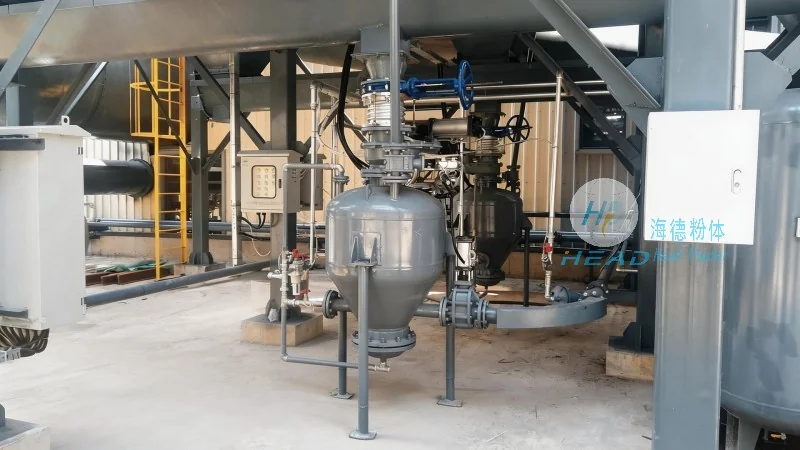
Advantages and Benefits
Implementing a phosphate iron pneumatic conveying system offers numerous advantages over traditional material handling methods. Firstly, it significantly reduces material handling time and labor costs, as the system automates the entire transport process. Secondly, it minimizes material degradation and contamination, as the enclosed system prevents exposure to external elements like moisture, dust, or other contaminants. Thirdly, it enhances workplace safety by eliminating manual handling of heavy or dusty materials, reducing the risk of accidents and health issues. Additionally, the system is highly flexible, allowing for easy integration with existing industrial processes and modifications to accommodate varying material volumes or changes in production requirements. The advantages of the phosphate iron pneumatic conveying system make it a preferred choice for businesses seeking to improve their operational efficiency, reduce costs, and maintain high standards of material quality and safety.