

Operation Process and Working Principle of Sand and Gravel Pneumatic Conveying Systems
Sand and gravel pneumatic conveying systems are critical components in modern material handling and processing industries. These systems are designed to transport bulk materials like sand, gravel, and other granular substances through an enclosed pipeline using air pressure. The technology offers a highly efficient, flexible, and often dust-free method for moving materials over short to medium distances, making it indispensable in construction, mining, and manufacturing sectors. By understanding the operation process and working principles of such systems, stakeholders can better appreciate their benefits and make informed decisions about implementation.
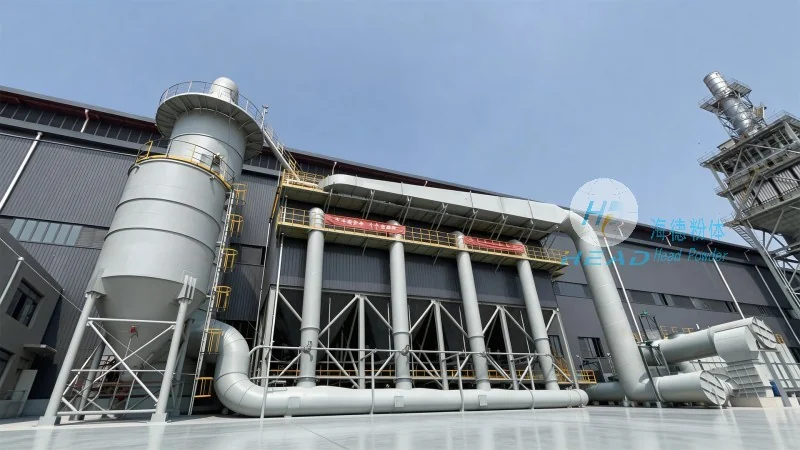
Key Components of a Pneumatic Conveying System
At the core of any sand and gravel pneumatic conveying system are several essential components that work in tandem to ensure smooth material transport. The primary components include the feed hopper, which holds and meters the bulk material; the conveying pipeline, which serves as the pathway for the material and air mixture; the air compressor or blower, which generates the necessary air pressure; the separator, which separates the material from the air at the discharge end; and the filter system, which cleans the air before it is released back into the environment. Each component plays a vital role in maintaining system efficiency and preventing material loss or air contamination.
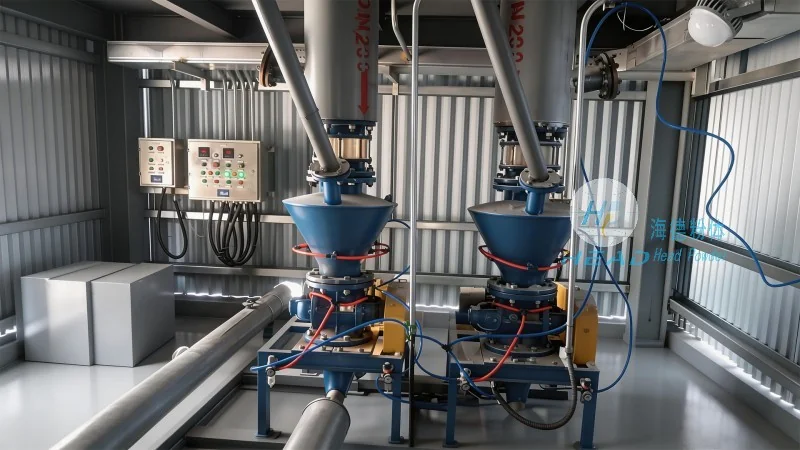
The Operation Process: Step-by-Step Overview
The operation of a sand and gravel pneumatic conveying system typically follows a sequential process. First, the bulk material is fed into the hopper from a storage silo or stockpile. The hopper is equipped with a metering device, such as a rotary valve or screw feeder, which controls the flow rate of the material into the pipeline. Simultaneously, the air compressor or blower generates high-pressure air, which is introduced into the pipeline at the inlet. The air then mixes with the material, creating a slurry-like mixture that is propelled through the pipeline by the air pressure. As the mixture travels, it may encounter bends, expansions, or other pipeline features that help maintain flow consistency. At the discharge end, the separator uses centrifugal force or other mechanisms to separate the material from the air. The separated material is collected in a discharge hopper or storage container, while the air passes through a filter system to remove any residual dust or particles before being vented to the atmosphere. This process is continuous, allowing for steady material transport without the need for manual handling or intermediate storage.

Working Principle: How Pneumatic Conveying Works
The working principle of sand and gravel pneumatic conveying systems is based on the fundamental physics of fluid dynamics and particle motion. There are two main types of pneumatic conveying systems: positive pressure and negative pressure (or vacuum) systems. Positive pressure systems use air compressors to push the material-air mixture through the pipeline, while negative pressure systems use vacuum pumps to draw the mixture from the source and transport it to the destination. In both cases, the air acts as a carrier medium, suspending the particles and moving them along the pipeline. The key to efficient operation lies in achieving the right air-to-material ratio, which ensures that the particles are fully suspended and do not settle or cause blockages. Factors such as particle size, density, and moisture content significantly influence the required air velocity and pressure, making system design a critical aspect of successful implementation.
Advantages of Pneumatic Conveying for Sand and Gravel
Compared to traditional methods like belt conveyors or truck transport, sand and gravel pneumatic conveying systems offer several distinct advantages. One of the most significant benefits is the ability to transport materials in a closed system, which minimizes dust emissions and improves workplace safety. This is particularly important in environments where dust can pose health risks or interfere with equipment operation. Additionally, pneumatic systems are highly flexible, as they can be easily reconfigured or expanded to accommodate changing production needs. They also eliminate the need for multiple transfer points or intermediate storage, reducing material handling time and improving overall throughput. The systems are also relatively compact, requiring less floor space compared to traditional conveyors, and can be installed in various configurations, including vertical or horizontal transport. Furthermore, pneumatic conveying systems are energy-efficient, as they can use less power than other transport methods while achieving higher material flow rates. These advantages make pneumatic conveying an attractive option for industries looking to enhance operational efficiency and reduce environmental impact.
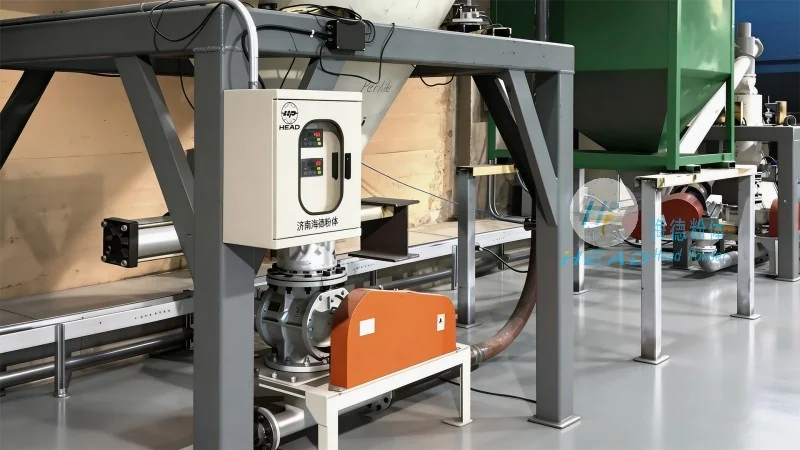
About Shandong HeadPowder Engineering Co., Ltd.
Shandong HeadPowder Engineering Co., Ltd., operating under the brand name headpowder, is a leading provider of advanced material handling solutions, including pneumatic conveying systems for sand and gravel applications. With a strong commitment to innovation and quality, the company specializes in designing, manufacturing, and installing customized conveying systems tailored to the specific needs of its clients. HeadPowder leverages years of industry experience and cutting-edge technology to deliver reliable, efficient, and cost-effective solutions that meet the highest standards of performance and safety. The company’s team of experts works closely with clients to understand their operational requirements, assess material characteristics, and develop optimal system designs that maximize productivity while minimizing downtime and maintenance costs. HeadPowder’s dedication to customer satisfaction and technical excellence has established it as a trusted partner in the material handling industry, serving clients across various sectors including construction, mining, and manufacturing. Based in Shandong, China, the company continues to expand its reach and provide comprehensive support to customers worldwide, ensuring that its pneumatic conveying systems deliver long-term value and reliability.