

Operation Process and Working Principle of High-Calcium Pneumatic Conveying Systems
High-calcium materials, such as limestone, calcium carbonate, and other calcium-rich powders, are widely used in industrial processes across various sectors including construction, chemical manufacturing, and food processing. The efficient and reliable transportation of these materials is crucial for maintaining production efficiency and reducing operational costs. Pneumatic conveying systems have emerged as a preferred solution for handling high-calcium powders due to their ability to transport materials in a dust-free environment, minimize material degradation, and enhance process safety. Shandong HeadPowder Engineering Co., Ltd., a leading manufacturer in the field, specializes in the design and supply of high-calcium pneumatic conveying systems tailored to meet the diverse needs of industrial clients. This article provides a detailed overview of the operation process and working principle of high-calcium pneumatic conveying systems, highlighting key components, operational procedures, and the technical advantages that make them suitable for demanding industrial applications.
Key Components of High-Calcium Pneumatic Conveying Systems
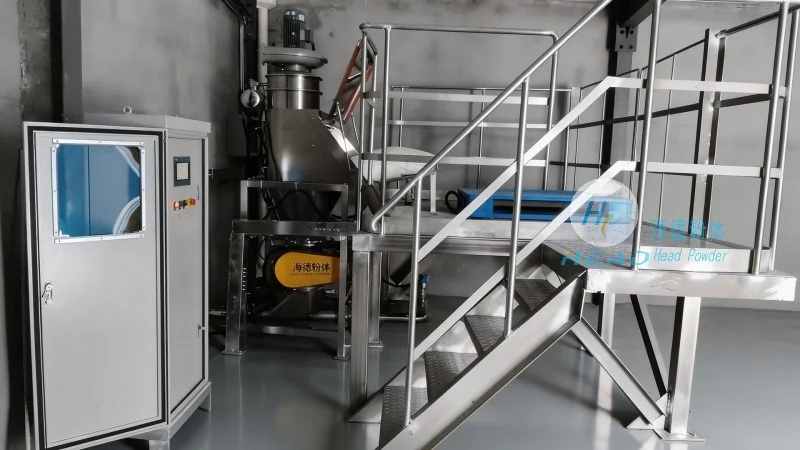
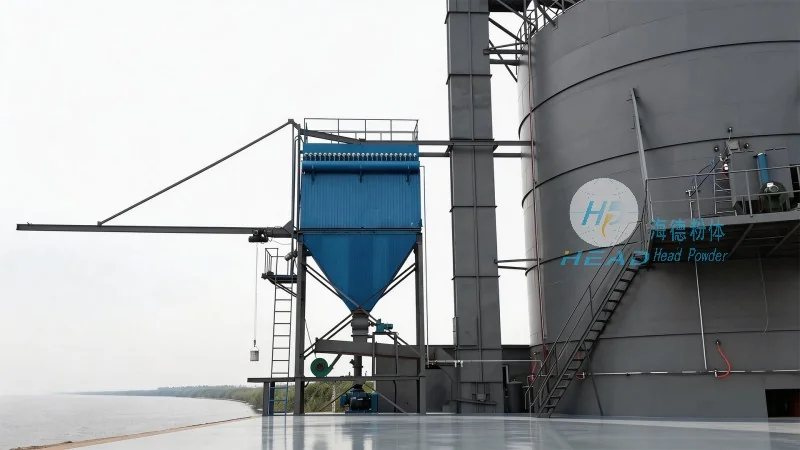
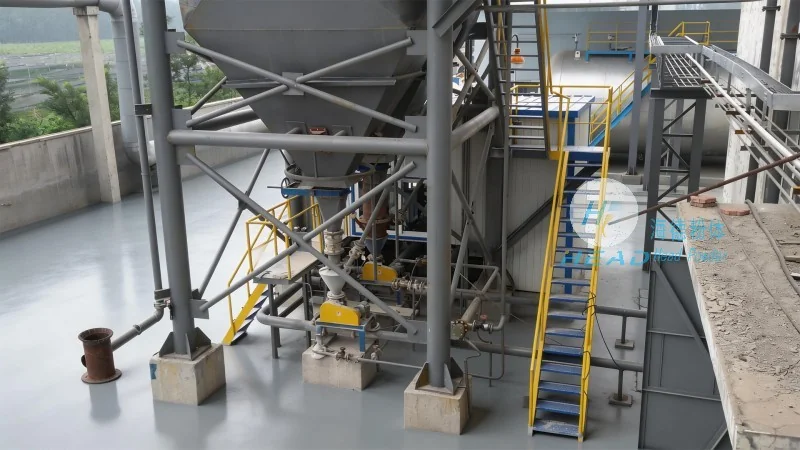
High-calcium pneumatic conveying systems typically consist of several core components that work in concert to achieve effective material transport. The primary components include a material feeder, a conveying line (often equipped with pressure vessels or vacuum pumps), a dust collector, and a discharge unit. The material feeder is responsible for feeding the high-calcium powder into the system at a controlled rate, ensuring consistent flow and preventing blockages. The conveying line, which may be operated under pressure or vacuum, transports the material from the feeder to the discharge point. Pressure vessels are commonly used in positive pressure systems to store compressed air and maintain the required pressure for material movement. Vacuum pumps, on the other hand, are used in negative pressure systems to create a suction effect that draws the material through the line. A dust collector is integrated into the system to capture any airborne particles, ensuring compliance with environmental regulations and maintaining a clean working environment. The discharge unit, such as a rotary valve or a hopper, regulates the release of the material at the destination point, preventing spillage and ensuring smooth material transfer.