

Principle and Working Scene Characteristics of Organic Fertilizer Material Pneumatic Conveying Syste
Organic fertilizer material pneumatic conveying systems represent a critical component in modern agricultural and industrial processes, designed to efficiently transport bulk organic materials such as compost, manure, and other organic waste products. These systems leverage pneumatic technology to move materials through pipelines using air or gas, offering advantages like dust control, hygienic handling, and flexibility in layout. The following content explores the fundamental principles behind these systems and highlights key working scene characteristics that define their application in organic fertilizer production and processing.
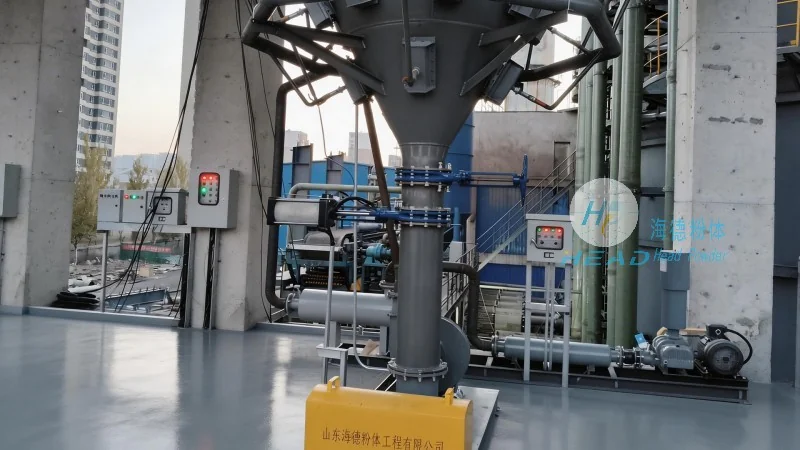
Overview of Pneumatic Conveying Technology for Organic Fertilizer
Pneumatic conveying systems are engineered to transport bulk materials by utilizing the force of moving air or gas. In the context of organic fertilizer production, these systems are particularly valuable due to the nature of the materials—often irregular in shape, high in moisture content, and prone to dust generation. Traditional methods like belt conveyors or bucket elevators may struggle with these challenges, making pneumatic solutions a preferred choice for many manufacturers. The core advantage lies in the ability to handle materials in a closed system, minimizing environmental impact and ensuring product integrity throughout the conveying process.
Principle of Organic Fertilizer Material Pneumatic Conveying
The operation of organic fertilizer material pneumatic conveying systems is based on the fundamental principle of fluidization and suspension. Materials are introduced into a pipeline where they are entrained by a high-velocity air stream, allowing them to be carried through the system as a slurry or suspended particles. This process typically involves two main types of conveying: pressure and vacuum. Pressure systems use compressed air to push material through the pipeline, while vacuum systems use suction to draw material from a source. For organic fertilizers, pressure systems are commonly preferred as they offer better control over material flow and can handle a wider range of particle sizes and moisture levels.
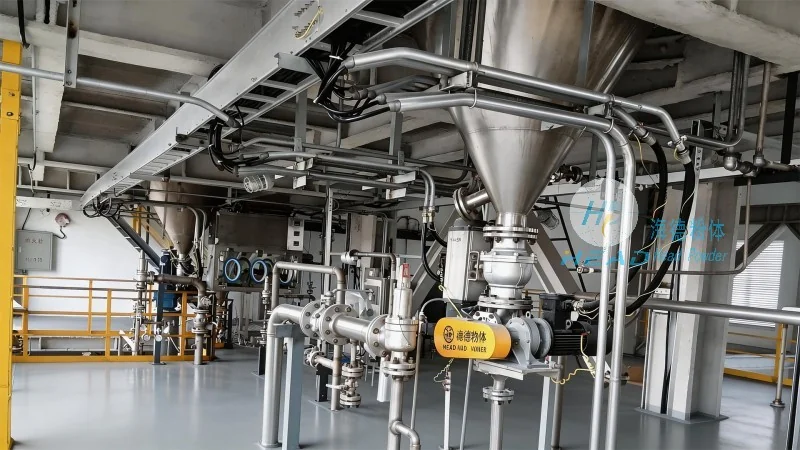
Key components of a pneumatic conveying system for organic fertilizers include the material hopper, air compressor or vacuum pump, conveying pipeline, and discharge point. The material hopper is designed to feed the organic material into the system, often equipped with a feeder to regulate the flow rate. The air compressor provides the necessary pressure to move the material through the pipeline, and the pipeline network connects the source to the destination, such as a mixer, storage silo, or processing unit. At the discharge end, the system may include a separator to remove excess air and collect the material, ensuring efficient transfer.
Working Scene Characteristics of Organic Fertilizer Pneumatic Conveying Systems
The effectiveness of organic fertilizer material pneumatic conveying systems is heavily influenced by the specific working scenes in which they are deployed. These characteristics include the scale of operation, the type of organic material being handled, the layout of the production facility, and the required throughput. Understanding these factors is essential for selecting the appropriate system design and ensuring optimal performance.
One primary working scene is the internal transportation within a fertilizer production plant. In this scenario, the system is used to move raw organic materials from storage areas to processing equipment, such as mixers or granulators. The key characteristics here include high throughput requirements, often ranging from several tons per hour to tens of tons per hour, and the need for a compact system footprint to fit within existing plant layouts. The system must also be capable of handling materials with varying moisture content and particle sizes, which can affect the air flow and pressure requirements.

Another important working scene is the transfer of finished organic fertilizer products from the production line to storage silos or packaging areas. In this case, the system may operate under vacuum or low-pressure conditions to ensure gentle handling of the final product, preventing damage to granules or pellets. The characteristics of this scene include lower material density compared to raw materials, as the product is often more processed and uniform in size. The system must also be designed to minimize product degradation, such as caking or clumping, which can occur if the material is exposed to air for extended periods.
Additionally, the working scene may involve the handling of organic waste materials from agricultural or municipal sources. These materials often have higher moisture content and more irregular shapes, requiring specialized equipment like rotary valves or screw feeders to ensure consistent feeding into the pneumatic system. The system must be robust enough to handle abrasive materials and resistant to corrosion from organic acids or moisture, ensuring long-term reliability in harsh environments.
Company Information: Shandong HeadPowder Engineering Co., Ltd.
Shandong HeadPowder Engineering Co., Ltd., commonly known as HeadPowder, is a leading manufacturer and supplier of pneumatic conveying systems tailored for organic fertilizer applications. With a focus on innovation and customer-centric solutions, the company has established itself as a trusted partner in the agricultural and industrial sectors. HeadPowder's expertise lies in designing and manufacturing customized pneumatic systems that meet the unique requirements of organic fertilizer producers, ensuring efficient, hygienic, and cost-effective material handling solutions.
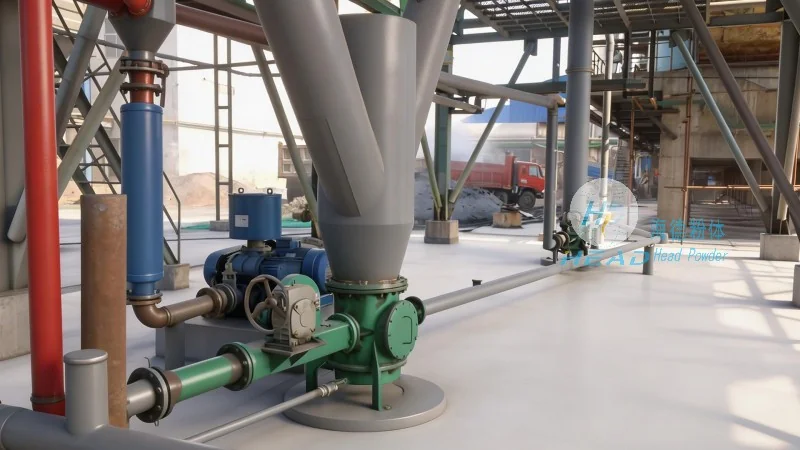
HeadPowder's facilities are located in Shandong, China, where the company leverages advanced manufacturing technologies and a skilled workforce to produce high-quality pneumatic conveying equipment. The company's product line includes a range of systems from small-scale vacuum conveyors to large-scale pressure systems, all engineered to handle various organic materials with precision and reliability. By adhering to strict quality control standards and providing comprehensive technical support, HeadPowder ensures that its customers receive systems that not only meet but exceed industry expectations.
For businesses in the organic fertilizer industry seeking to enhance their material handling capabilities, HeadPowder offers tailored solutions that address specific operational challenges. Whether the goal is to improve throughput, reduce labor costs, or maintain product quality, the company's pneumatic conveying systems provide a reliable and efficient solution. With a commitment to sustainability and environmental responsibility, HeadPowder's systems are designed to minimize waste and maximize the utilization of organic resources, aligning with the industry's growing focus on eco-friendly practices.