

Principle and Working Scene Characteristics of Air-Lifted Water Glass Material Handling Systems
HeadPowder, a leading engineering firm based in Shandong, China, specializes in the design and implementation of advanced material handling solutions. Among their portfolio is the air-lifted water glass material handling system, a technology that efficiently transports sodium silicate materials through pneumatic methods. This article explores the fundamental principles behind this system and highlights its key working scene characteristics.
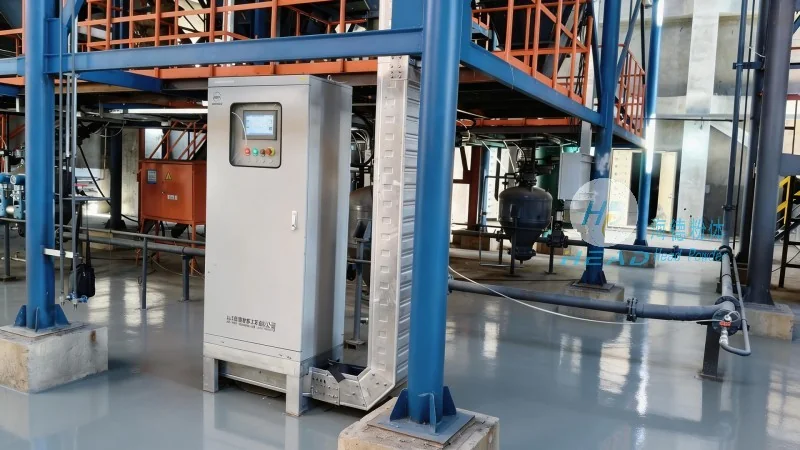
Understanding the Core Principle of Air-Lifted Water Glass Material Handling
The air-lifted water glass material handling system operates on the principle of pneumatic conveying, where materials are transported using a stream of air or gas. In this system, water glass, also known as sodium silicate, is fed into a hopper or feeder. The material is then drawn into a vertical or inclined pipeline by a vacuum or pressure differential created by an air mover, such as a fan or blower. The air stream carries the material particles through the pipeline to the discharge point, where the material is separated from the air and collected. This process eliminates the need for mechanical components like belts or buckets, reducing maintenance and operational costs while ensuring a continuous flow of material.
Key Working Scene Characteristics of the System
One of the primary advantages of the air-lifted water glass material handling system is its adaptability to various working environments. The system is particularly suitable for applications where traditional mechanical conveyors may face challenges, such as in dusty or hazardous areas. The pneumatic nature of the system allows for enclosed and sealed transport, minimizing dust emissions and improving workplace safety. Additionally, the system can handle materials with varying particle sizes and moisture content, making it versatile for different industrial processes.
Another significant characteristic is the system's energy efficiency. By utilizing air as the primary transport medium, the system consumes less energy compared to traditional conveyor systems that rely on mechanical components. This efficiency not only reduces operational costs but also aligns with modern sustainability goals. The system's compact design also allows for installation in limited spaces, making it ideal for facilities with space constraints.
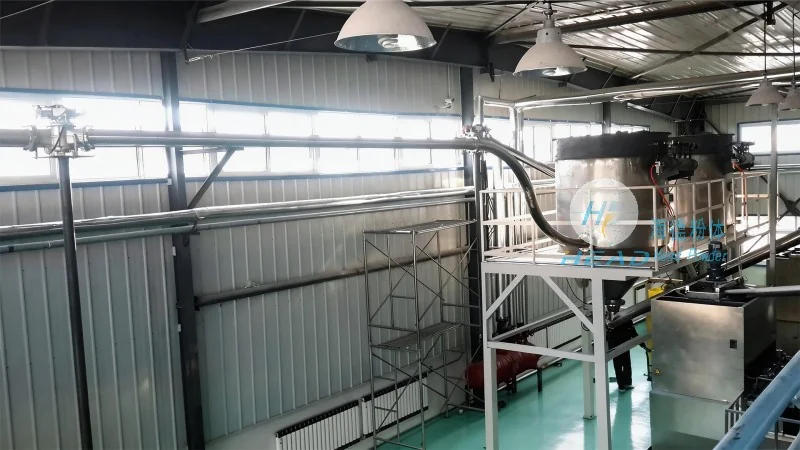
Application Scenarios and Industry Use Cases
The air-lifted water glass material handling system finds applications across multiple industries, including chemical manufacturing, construction materials production, and water treatment facilities. In chemical plants, the system efficiently transports sodium silicate used in the production of detergents, adhesives, and water treatment chemicals. In construction material factories, it aids in the handling of water glass used in the manufacturing of cement additives and fire-resistant materials. The system's ability to handle bulk materials in a controlled manner makes it a preferred choice for industries requiring consistent and reliable material transport.
In water treatment plants, the system is utilized to transport sodium silicate used in coagulation and flocculation processes, helping to clarify and purify water. The system's ability to maintain material integrity during transport ensures that the treated water meets quality standards. Furthermore, the system's low maintenance requirements and long service life make it a cost-effective solution for long-term material handling needs in these facilities.
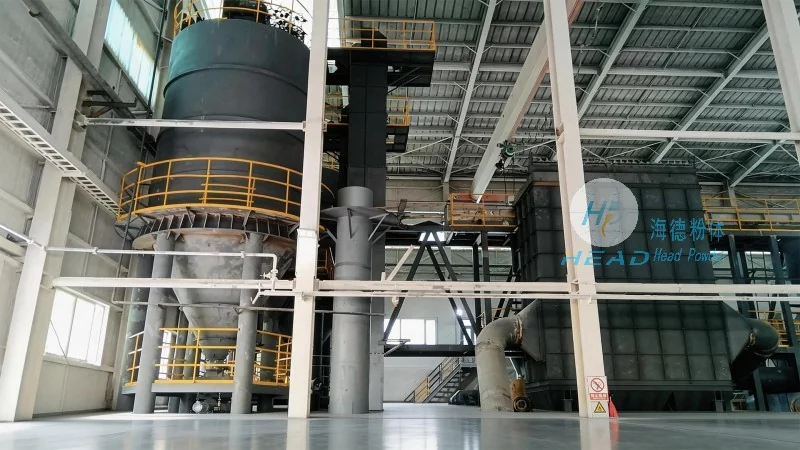
Advantages and Technical Specifications
HeadPowder's air-lifted water glass material handling system offers several technical advantages that enhance its performance and reliability. The system is designed with high-quality materials that resist corrosion and wear, ensuring durability even in harsh operating conditions. The air mover is equipped with advanced control systems that allow for precise adjustment of air flow and pressure, optimizing material transport efficiency. The system also features safety mechanisms, such as pressure relief valves and emergency shut-off switches, to prevent accidents and ensure safe operation.
Technical specifications of the system include adjustable conveying capacities ranging from low to high flow rates, depending on the application requirements. The vertical and inclined pipeline lengths can be customized to fit the layout of the facility, with typical lengths ranging from 10 to 50 meters. The system operates at pressures between 0.5 to 2 bar, depending on the material and distance of transport. These specifications make the system versatile and adaptable to various industrial settings.
Conclusion and Company Overview
HeadPowder Engineering Co., Ltd., based in Shandong, China, provides comprehensive solutions for air-lifted water glass material handling systems. By leveraging pneumatic conveying technology, the company offers efficient, safe, and cost-effective material transport solutions for industries dealing with sodium silicate materials. The system's adaptability, energy efficiency, and reliability make it an ideal choice for modern industrial applications. With a strong commitment to quality and customer satisfaction, HeadPowder continues to be a trusted partner in material handling engineering, delivering innovative solutions that meet the evolving needs of the industry.