

Principle and Working Scene Characteristics of Air-Pneumatic Conveying System for Small Stone Materi
When it comes to efficiently transporting small stone materials, the air-pneumatic conveying system has emerged as a highly effective solution. This technology, developed and refined by Shandong HeadPowder Engineering Co., Ltd., offers a reliable and efficient method for handling various types of small stone materials, such as gravel, crushed stone, and other granular materials. The core principle of this system revolves around the use of compressed air to move material particles through a pipeline network, eliminating the need for traditional mechanical conveyors and reducing operational costs.
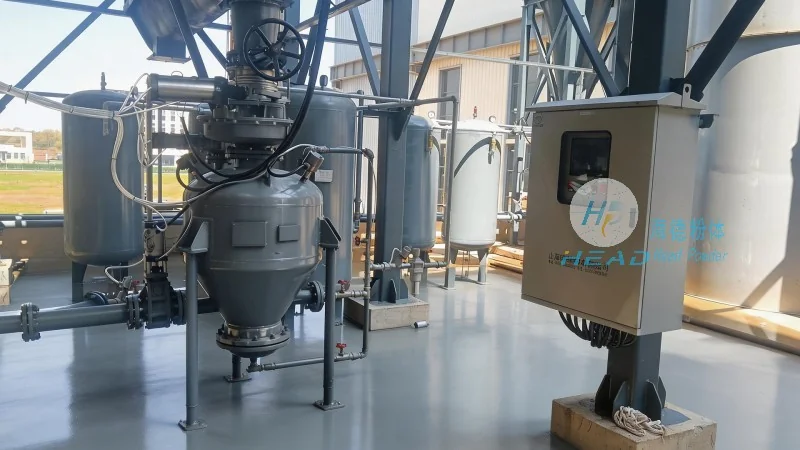
Principle of the Air-Pneumatic Conveying System
The fundamental principle of the air-pneumatic conveying system for small stone materials is based on the creation of a pressure differential within the conveying pipeline. Compressed air is introduced into the system, which generates a flow that lifts and propels the material particles forward. The system typically consists of a blower, a hopper for material loading, a pipeline network, and a discharge point. As air flows through the pipeline, it creates a low-pressure zone that draws the material particles into the flow, allowing them to be transported over long distances with minimal friction and energy loss. This method is particularly advantageous for small, lightweight particles that might be difficult to handle with traditional belt or screw conveyors.
Working Scene Characteristics
The air-pneumatic conveying system for small stone materials is designed to operate in diverse industrial environments, offering several key characteristics that make it suitable for various applications. One of the primary advantages is its ability to handle materials with high moisture content or dust, as the system can effectively control and manage these byproducts. The system is also highly flexible, allowing for changes in material flow rates and pipeline configurations without significant modifications. This adaptability makes it ideal for both continuous and intermittent material handling operations.
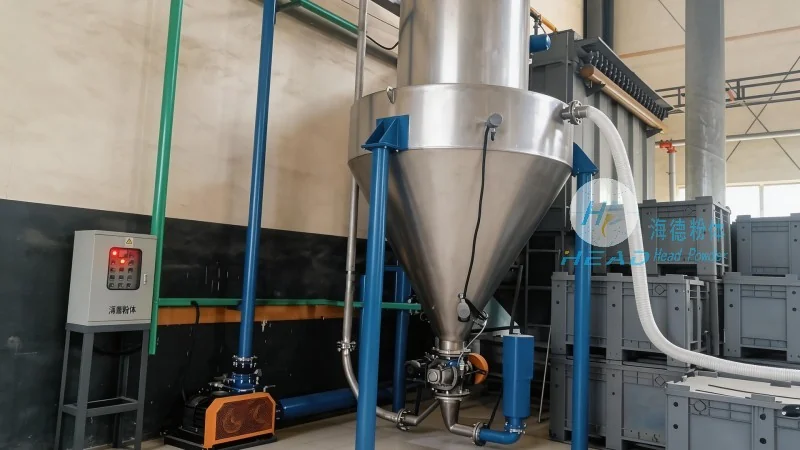
Application Scenarios
Shandong HeadPowder Engineering Co., Ltd. has successfully implemented this air-pneumatic conveying system in numerous industrial settings. For instance, in construction sites, the system is used to transport crushed stone from storage areas to mixing stations, ensuring a steady supply of material for concrete production. In mining operations, the system efficiently conveys small stone particles from processing plants to storage silos, reducing labor costs and improving safety by eliminating manual handling. Additionally, in aggregate processing facilities, the system is employed to move materials between different processing stages, such as crushing, screening, and storage, enhancing overall production efficiency.
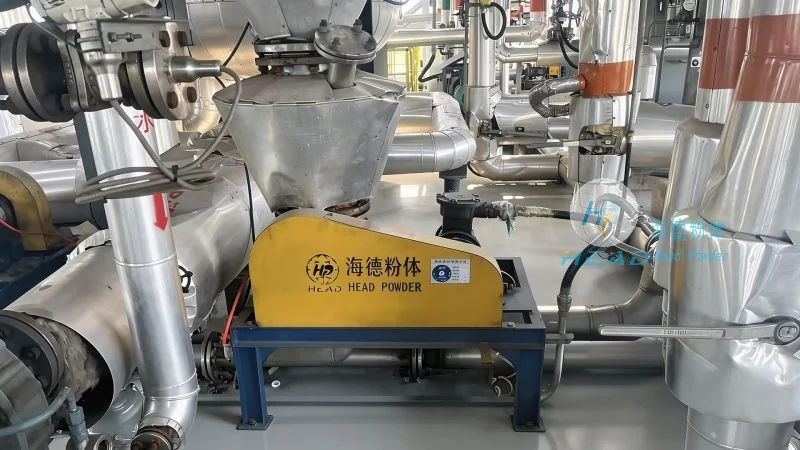
Advantages Over Traditional Conveying Methods
Compared to traditional mechanical conveyors, the air-pneumatic conveying system offers several distinct advantages. Firstly, it eliminates the need for moving parts in the conveying line, reducing maintenance requirements and extending the system's lifespan. Secondly, the system is less prone to material blockages and clogging, as the air flow continuously moves particles through the pipeline. Thirdly, it provides better control over material flow, allowing for precise regulation of discharge rates. These advantages make the system particularly suitable for handling small stone materials that are prone to sticking or bridging in traditional conveyors.
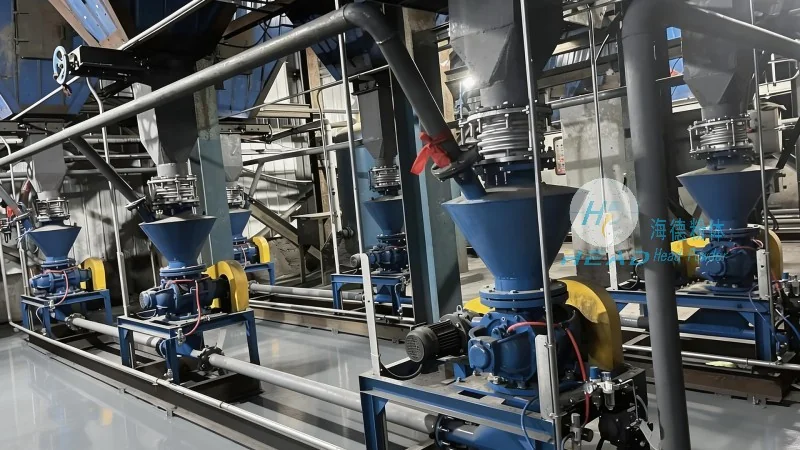
Operational Considerations
When operating an air-pneumatic conveying system for small stone materials, several factors must be considered to ensure optimal performance. The selection of the appropriate blower and air pressure is critical, as it directly impacts the conveying capacity and distance. The pipeline diameter and length also play a significant role, as larger diameters and longer distances require higher air pressure and more powerful blowers. Additionally, the system's design must account for material characteristics, such as particle size, density, and moisture content, to prevent issues like air leakage or material degradation. Proper maintenance, including regular cleaning of the pipeline and blower, is essential to maintain system efficiency and longevity.
Conclusion
The air-pneumatic conveying system for small stone materials, developed by Shandong HeadPowder Engineering Co., Ltd., represents a cutting-edge solution for efficient material handling in various industrial applications. By leveraging the principles of compressed air to transport materials, this system offers significant advantages over traditional methods, including reduced maintenance, improved safety, and enhanced flexibility. With its ability to handle diverse material types and operating conditions, the system is a reliable choice for industries seeking to optimize their material handling processes. As the demand for efficient and cost-effective solutions continues to grow, the air-pneumatic conveying system remains a valuable asset for businesses operating in the small stone material sector.