

Principle and Working Scenario Characteristics of Pneumatic Conveying for Magnesium Sulfate Heptahyd
Understanding the pneumatic conveying of magnesium sulfate heptahydrate is crucial for industries that handle this chemical efficiently and safely. This article explores the fundamental principles behind pneumatic conveying systems and highlights the key characteristics of operational scenarios where such systems are employed.
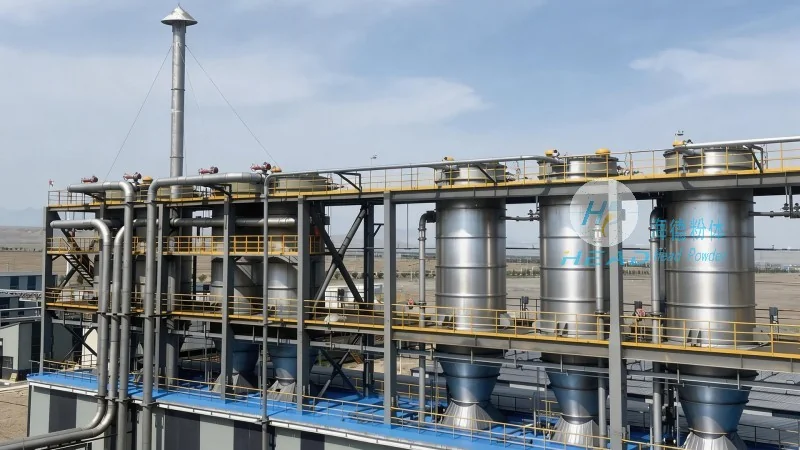
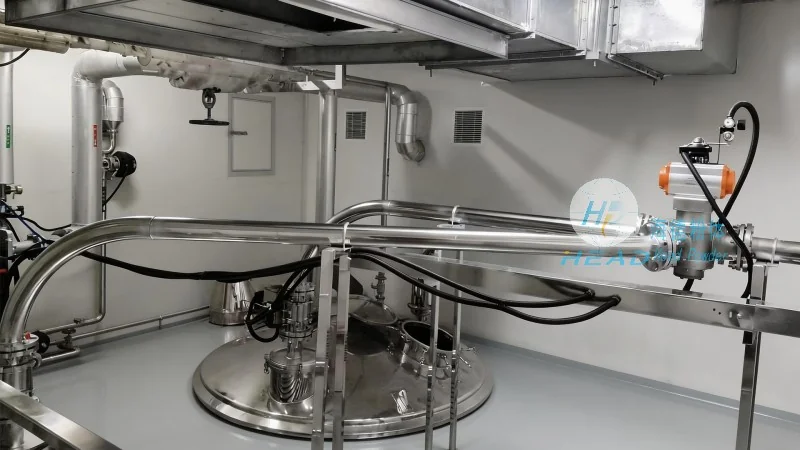
Principle of Pneumatic Conveying for Magnesium Sulfate Heptahydrate
Pneumatic conveying is a method of transporting bulk materials like magnesium sulfate heptahydrate using a gas stream, typically air. The process involves creating a flow of air through a pipeline, which then carries the solid particles of the material. There are two main types of pneumatic conveying systems: pressure and vacuum (or suction) systems. In pressure systems, a blower or compressor generates positive pressure to push the material through the pipeline. Conversely, vacuum systems use a vacuum pump to create a negative pressure that draws the material into the pipeline. The choice between these systems depends on factors such as the distance to be covered, the material's properties, and the required throughput. For magnesium sulfate heptahydrate, which is a fine powder with a relatively low density, pressure systems are often preferred as they can handle longer distances and higher capacities with less energy consumption compared to vacuum systems. The conveying process relies on the balance between the gas velocity and the particle size and density. If the gas velocity is too low, the particles may settle and cause blockages. If it's too high, the particles may be carried too far, leading to excessive wear on the system components. The design of the conveying system must consider the material's flow properties, such as its angle of repose and cohesive forces, to ensure smooth and continuous transport. Additionally, the system must be equipped with appropriate filters and cyclones to separate the material from the air stream and prevent dust contamination. This is particularly important for magnesium sulfate heptahydrate, which is often used in pharmaceutical and food applications where purity is critical.
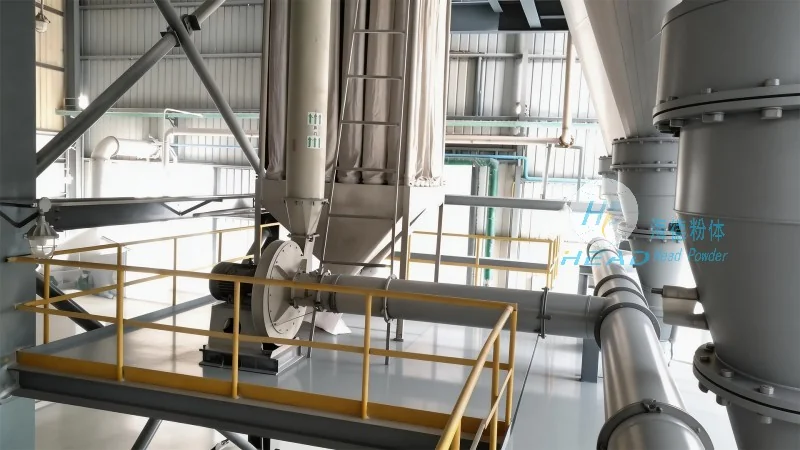
Working Scenario Characteristics
The operational scenarios for pneumatic conveying of magnesium sulfate heptahydrate vary based on the application and the scale of the operation. In industrial settings, such as chemical plants or fertilizer production facilities, large-scale conveying systems are used to transport the material from storage silos to processing units or packaging lines. These systems often involve multiple pipelines and control systems to manage the flow and ensure consistent delivery. The working scenarios may include high-volume, continuous operation, where the system runs 24/7 to meet production demands. In such cases, the reliability and efficiency of the pneumatic conveying system are paramount. The system must be able to handle fluctuations in material feed rates and maintain a stable flow without interruptions. Another scenario is the use of pneumatic conveying in pharmaceutical or food processing plants, where the material is used as an ingredient in the production of drugs or food products. Here, the focus is on maintaining high standards of hygiene and cleanliness. The conveying system must be designed to prevent contamination from external sources and to minimize the risk of product degradation. This may involve using stainless steel components, sealed pipelines, and advanced filtration systems. The working scenario may also involve the transportation of magnesium sulfate heptahydrate from a central storage facility to multiple processing sites within a facility. In this case, the system must be flexible and able to route the material to different destinations as needed. The control system plays a crucial role in managing the routing and flow rates to ensure that each processing site receives the required amount of material. Furthermore, the operational scenario may include the handling of varying particle sizes or moisture content in the material. For example, if the material is wet or contains agglomerates, the conveying system may need to be equipped with additional equipment, such as a rotary valve or a feeder, to ensure consistent feeding and prevent blockages. The characteristics of the working scenario also influence the choice of the conveying system's components, such as the type of blower, the size of the pipeline, and the design of the cyclones. In summary, the working scenario characteristics for pneumatic conveying of magnesium sulfate heptahydrate are determined by the specific application, the scale of the operation, and the required standards of purity and efficiency. The system must be tailored to meet these requirements to ensure optimal performance and reliability.
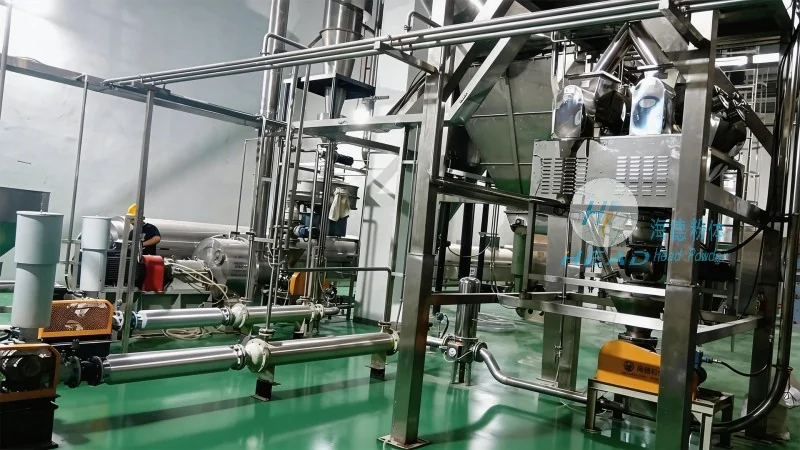
About Shandong HeadPowder Engineering Co., Ltd.
Shandong HeadPowder Engineering Co., Ltd. is a leading provider of engineering solutions for material handling and processing, with a focus on pneumatic conveying systems. The company is headquartered in Shandong, China, and has extensive experience in designing and manufacturing systems for various bulk materials, including magnesium sulfate heptahydrate. HeadPowder Engineering specializes in customizing pneumatic conveying systems to meet the specific needs of its clients, ensuring that the systems are efficient, reliable, and compliant with industry standards. The company's team of engineers and technicians work closely with clients to understand their operational requirements and develop tailored solutions that enhance productivity and reduce costs. With a commitment to quality and innovation, HeadPowder Engineering has established itself as a trusted partner in the material handling industry. The company's products and services are designed to meet the highest standards of performance and safety, ensuring that clients can operate their facilities with confidence. Whether it's a small-scale system for a laboratory or a large-scale system for an industrial plant, HeadPowder Engineering provides comprehensive solutions that address all aspects of material handling, from design and manufacturing to installation and maintenance. The company's expertise in pneumatic conveying technology, combined with its understanding of the unique properties of materials like magnesium sulfate heptahydrate, enables it to deliver effective and efficient solutions that meet the diverse needs of its clients. By leveraging advanced engineering and manufacturing capabilities, HeadPowder Engineering continues to set new standards in the material handling industry, helping clients to improve their operational efficiency and achieve their business goals.